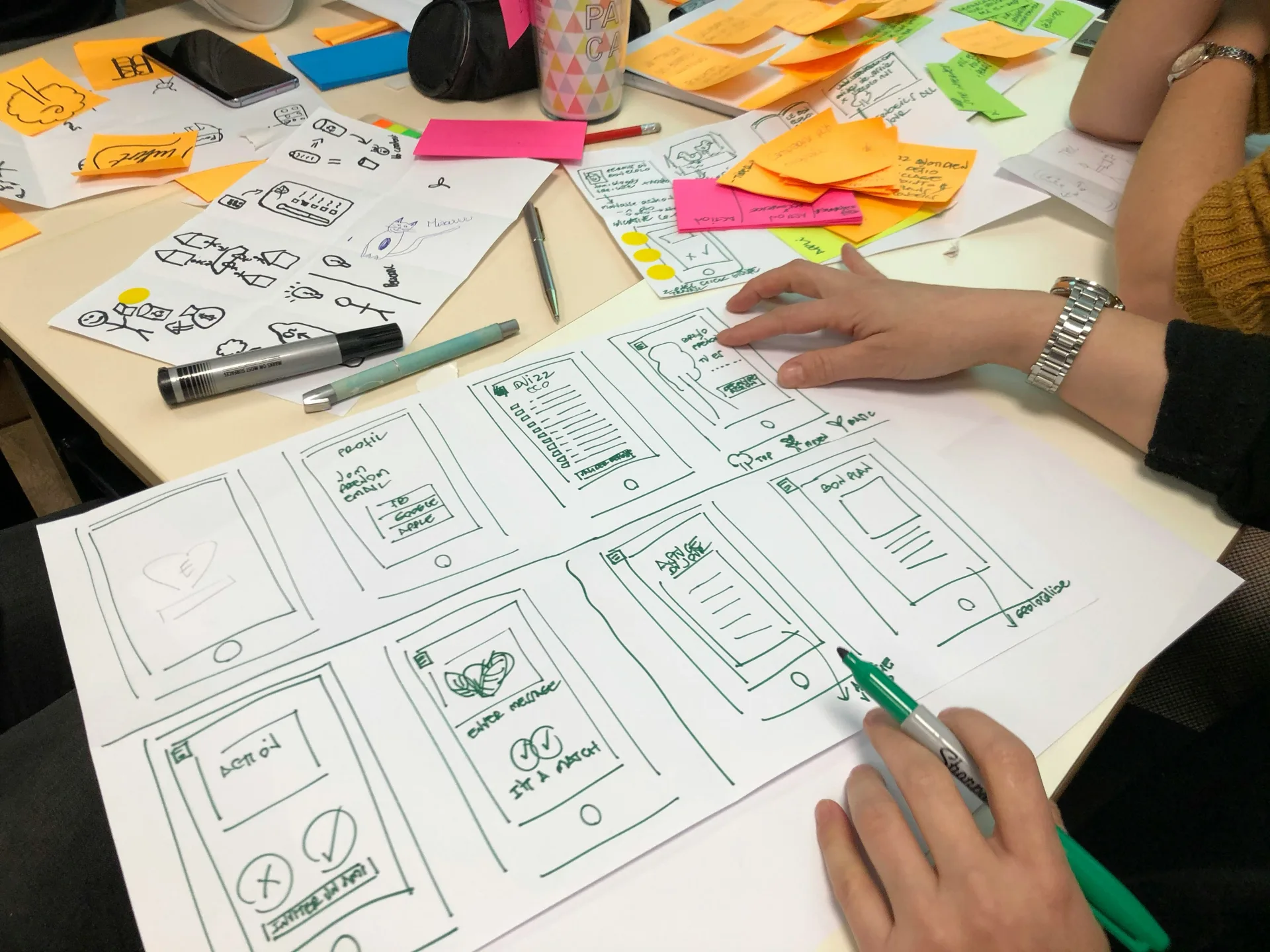
Teaching AI Prototyping: What Students Reveal About UX's Future
When students learn to prototype with AI, they expose the habits, skills and mindsets that will define the next decade of UX design.
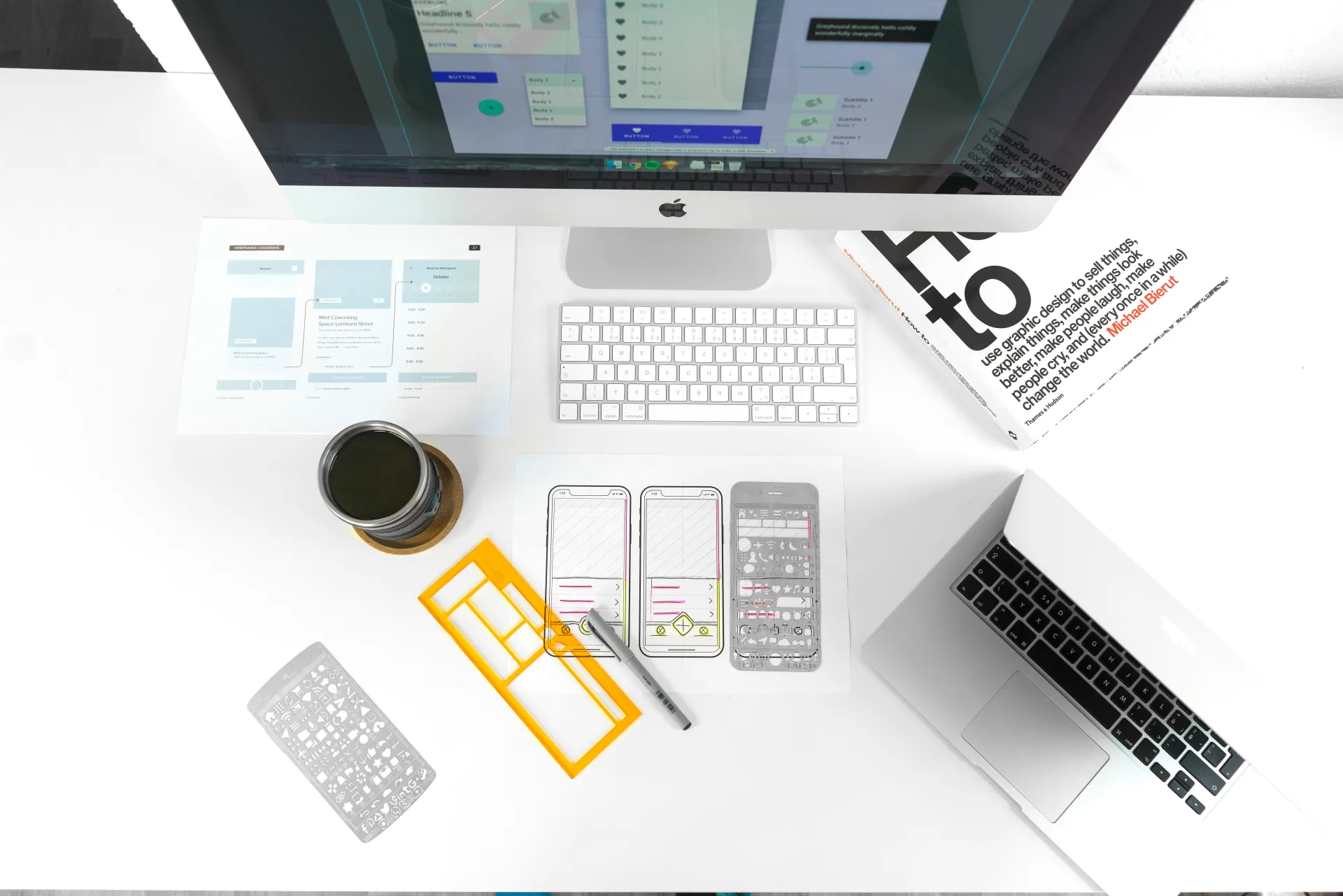
Your Design System Was Never About Components—Rethink It
A design system is a decision engine, not a component library. Here's how to rebuild yours around intent so humans and AI both follow it.
Context Is the New Interface: UX in the Age of AI Agents
As AI agents take over clicks and flows, the real design surface is no longer the screen — it's the context you feed the machine.

Designing the Stop Button: UX for AI Agents Everyone Can Actually Control
AI agents are shipping everywhere, but almost no one is designing the controls that let everyone pause, correct, or stop them. Here's how to fix that.

Modern CSS: When Does Front-End Complexity Actually Pay Off?
Modern CSS can replace lines of JavaScript — but making your front-end simpler on paper sometimes makes it harder to reason about. Here's how to decide.

Beyond Chatbots: Designing UX for Deep AI Research Tools
Deep AI research tools demand a new design mindset—one the UX collective is only starting to grapple with. Here's how to build interfaces that actually earn trust.

Beyond the User: Rethinking Experience Design for Agentic Software
When an AI agent acts on someone's behalf, who exactly is the user? The answer reshapes how you design.
The First Five Seconds: Designing Interfaces That Earn Trust Instantly
Trust is decided before a word is read. Here's how premium interfaces win the first five seconds—and why most brands lose them.

Building an AI-Ready Design System: From Code to Figma with MCP
AI can generate UI in seconds, but only a well-structured design system turns that speed into trustworthy, on-brand product experiences.

Ethical UX for Machines: Designing Interfaces When Your User Is an AI Agent
As AI agents become primary users of digital products, UX has to serve machines as thoughtfully as it serves people, without abandoning human accountability.

Your Website Is Boring — And Why That Might Set It Free
Boring isn't a bug in modern web design — done right, it might be the discipline that finally lets your site convert.

Battling AI Fatigue: A Practical Guide for Designers & Developers
AI fatigue is quietly draining design and dev teams. Here's how to reclaim focus, judgement and craft without rejecting the tools.

Psychological Ownership in UX: Designing for the Sense of Control
When users feel a genuine sense of control over an interface, they invest, return, and advocate. Here's how to design for it — without faking it.

Information Architecture: The Foundation AI Is Starving For
AI can only reason as well as the structure beneath it — and most organisations have starved it of coherent information architecture.

Why Chat Is the Wrong UI for AI (Most of the Time)
A chat box feels like the obvious way to ship AI. For most business workflows, it's the wrong default — and it's quietly costing you adoption.
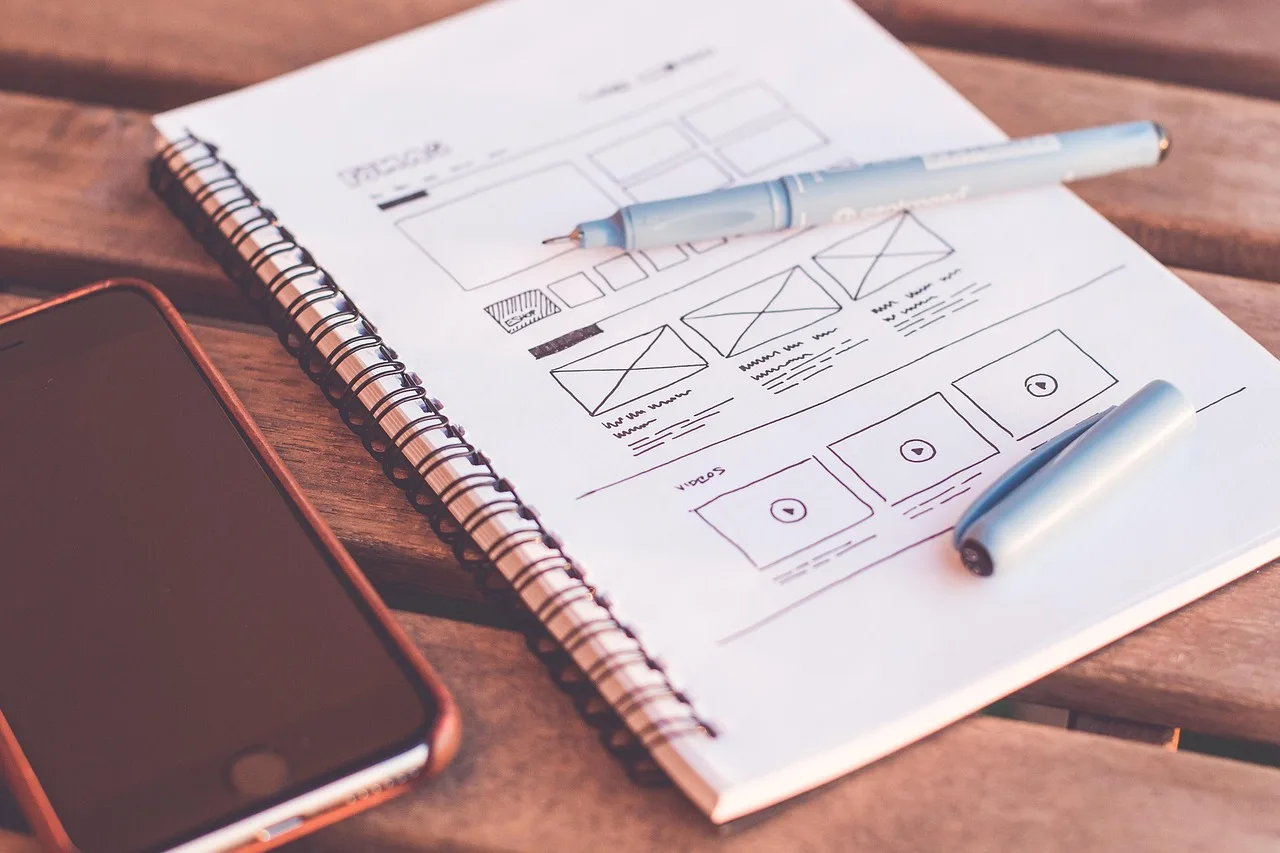
Dogfooding vs QA vs User Research: When to Trust Each With Your Users
Three ways to test a product, three different truths about your users — here's when each one actually earns its place in your UX process.
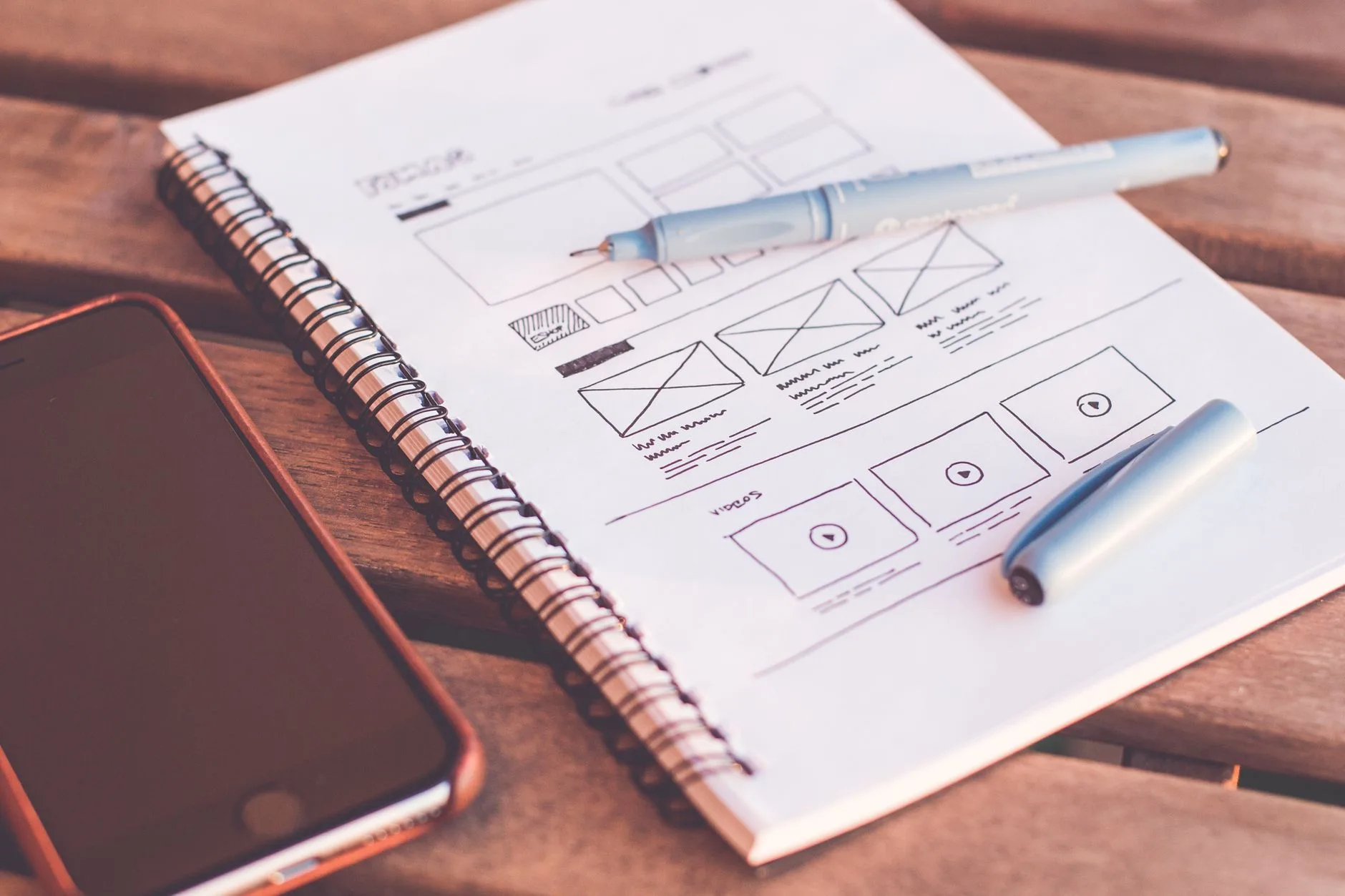
Tactile UX: Designing Beyond Flat With Intentional Motion
Flat design flattened emotion too. Here's how intentional motion, Lottie and disciplined process bring tactility back — without slowing your product down.
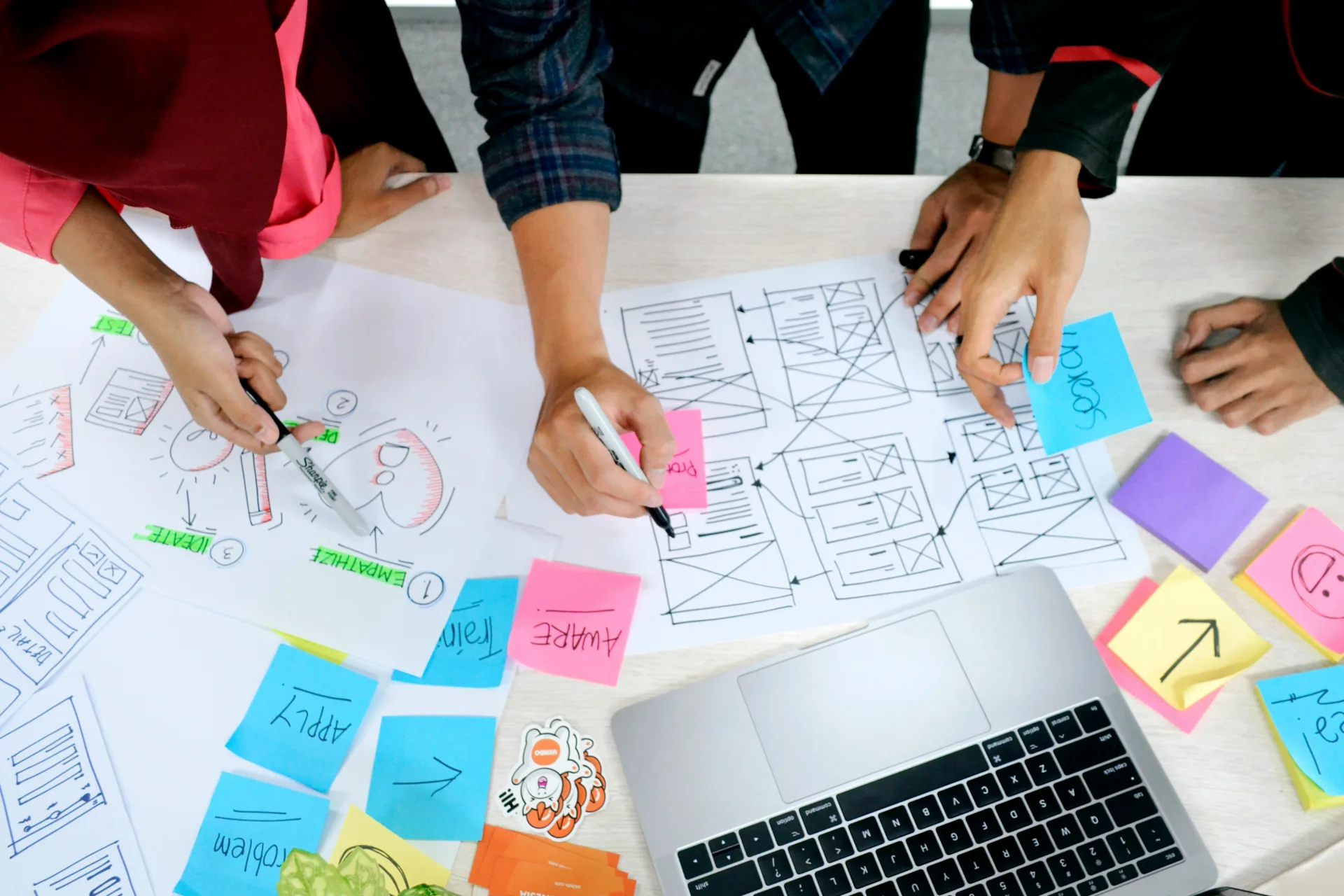
Thinking Outside the Text Box: Designing Beyond Chat in the AI Era
AI design has collapsed into a single text box. Here's why thinking outside it is the next competitive edge for product teams.

Product Sense: A Concrete Definition and How to Build It
Product sense isn't intuition or luck — it's pattern recognition earned through disciplined experimentation. Here's how to build it, especially as AI reshapes design.

UX Masterclass: What Asian Food-Ordering Apps Teach Designers
Asian super-apps pack density, speed and delight into one screen — here's what the design collective can steal for better products.

The Five-Second Contract: Designing Premium Interfaces That Earn Trust Instantly
Trust is decided in the first five seconds. Here's how premium interface design turns that split-second judgment into a lasting relationship.
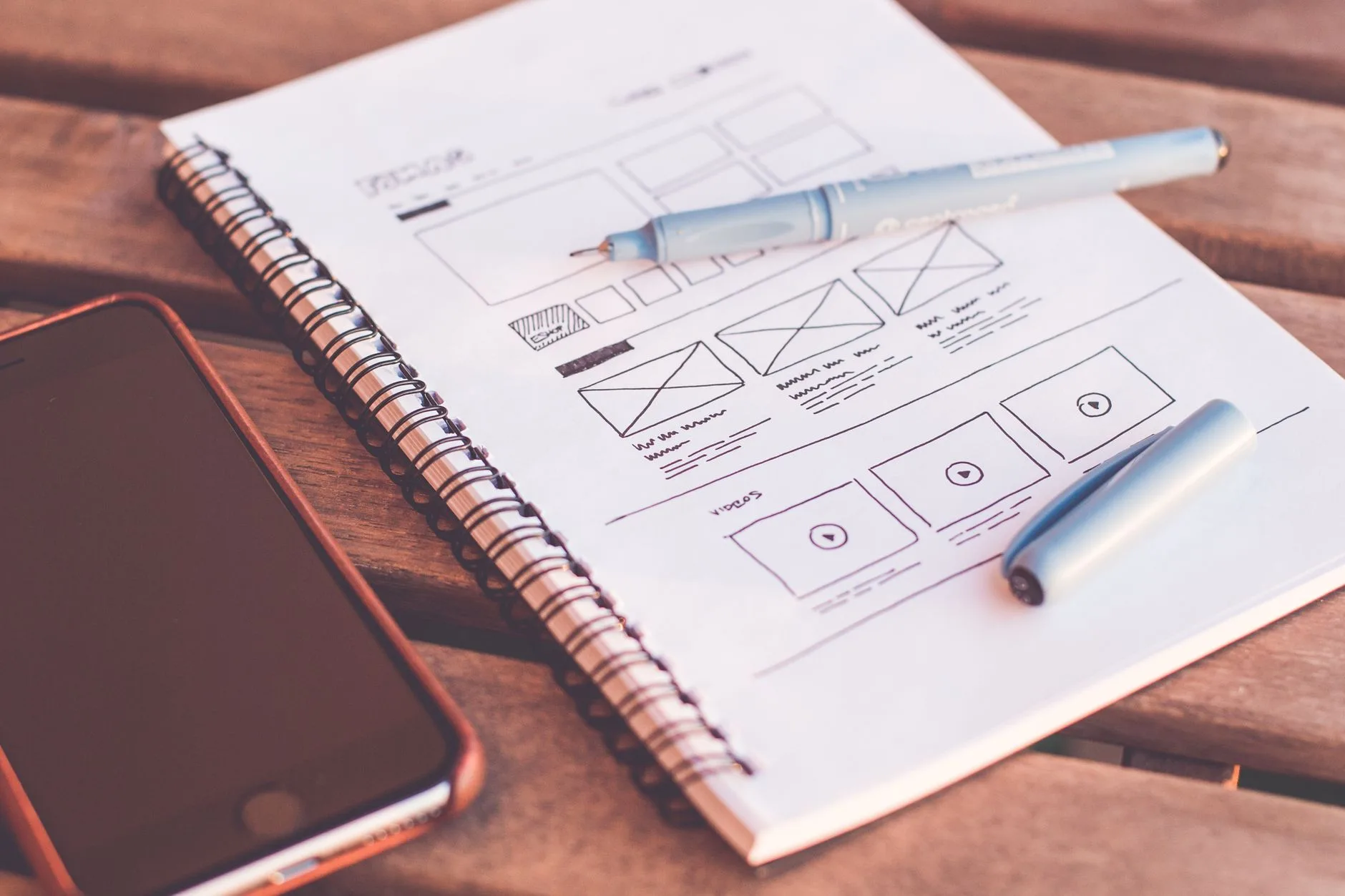
UX-Context Design: Guiding AI-Generated Interfaces With Real UX Knowledge
AI can generate an interface in seconds — but only real UX context turns that raw output into a product people actually want to use.

Algorithmic Theming: How contrast-color() Ends the Accessibility Arms Race
CSS finally solves the contrast problem no linter could fix. Here's how a UX design bureau builds self-correcting color systems that stay accessible by default.

Designing for Distressed Users: UX Ethics in Sensitive Apps
When your users are anxious, grieving or in crisis, every trendy pattern becomes an ethical decision. Here's how to design for calm, not clicks.

The First Five Seconds: Designing Premium Interfaces That Earn Trust Instantly
Trust in a digital product is decided almost instantly — here's how premium interface design wins the first five seconds.

Design Systems That Scale: Fighting Debt and Designing for AI
Scalable design isn't about prettier pixels—it's about function, disciplined systems, and interfaces built for an AI-driven world.

Why Ibiza? An island as a creative engine
Ibiza is known for its nights. We chose it for its mornings — why a creative studio thrives on an island of light, distance and an international crowd.
Web accessibility (a11y): the practical guide that also helps SEO
Accessibility isn't just compliance — it widens your audience and boosts SEO. Here's a pragmatic starting point, no jargon.