Key takeaways
- AI prototyping shifts the bottleneck from execution to judgement, rewarding clear thinking over tool mastery.
- Context, your design system, guidelines and research, is becoming the real interface designers work with.
- Problem framing, critical evaluation and context literacy are the new core UX skills.
- Students adopt AI-native workflows faster than professionals, signalling a generational shift companies should prepare for.
- Prototype earlier and more often, but keep humans accountable for usability, accessibility and ethics.
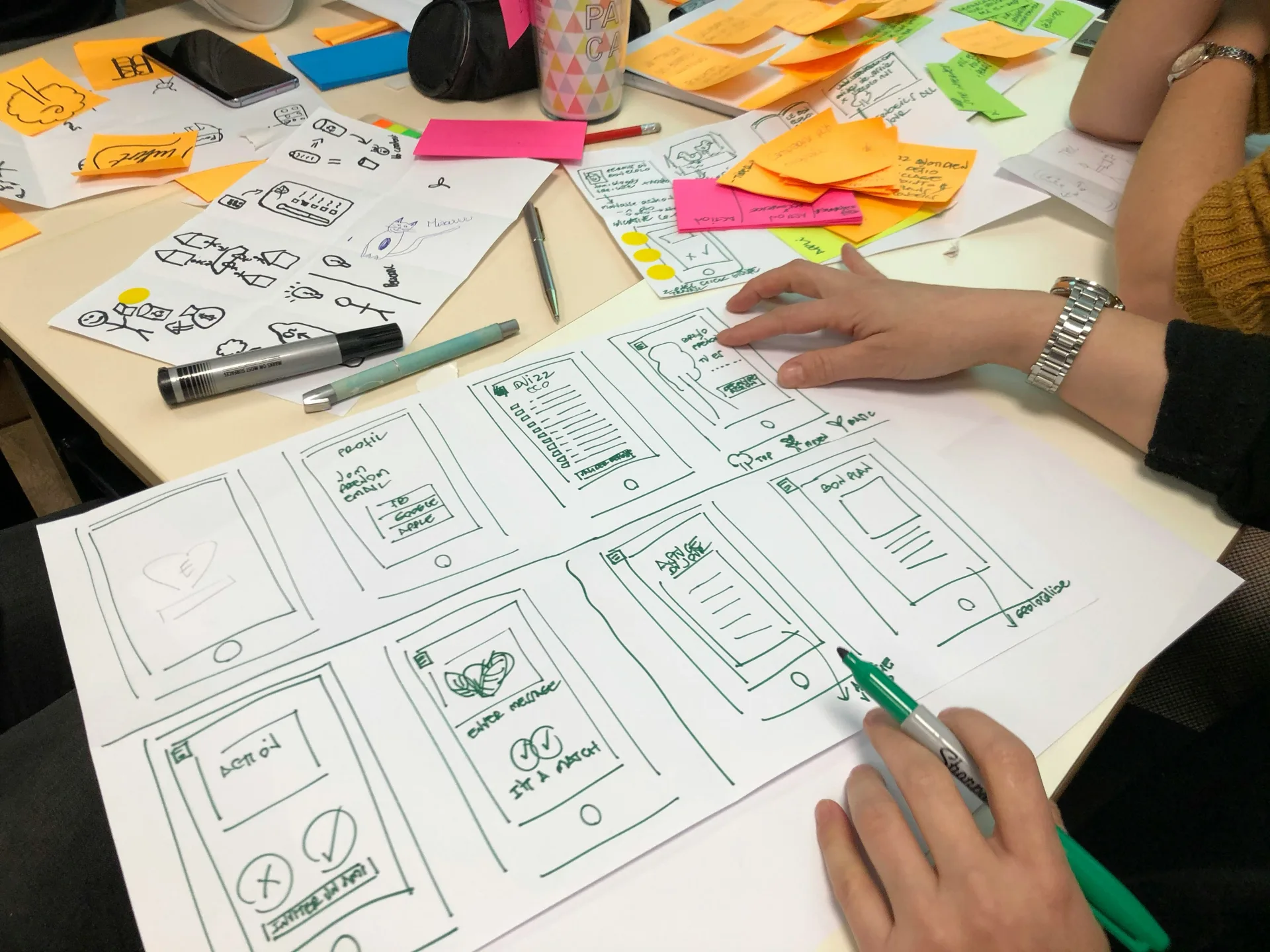
There's a quiet revolution happening in design classrooms, and it tells us more about the future of the industry than most conference keynotes. When you start teaching prototyping with AI tools to a room full of students, something fascinating happens: the old assumptions about what a designer does start to dissolve, and a new skill set reveals itself. At Evocative Studio, we've been paying close attention to what educators and their students are discovering, because it maps directly onto how design teams will work inside real businesses.
The short version? AI doesn't make prototyping easier in the way people expect. It moves the hard part somewhere else.
What changes when you teach prototyping with AI
For years, prototyping skill meant mastery of tools. You learned Figma's auto-layout, you memorised keyboard shortcuts, you got fast at turning sketches into clickable screens. Craft and speed were tightly coupled. AI breaks that coupling. A student who can describe an idea clearly can now generate a working prototype in minutes, regardless of their tool fluency.
This is liberating and disorienting in equal measure. The students who thrive aren't necessarily the ones with the best visual polish. They're the ones who can frame a problem precisely, judge whether an output is actually good, and iterate with intent. In other words, AI rewards thinking over tooling. The bottleneck has shifted from execution to judgement.
The three skills that suddenly matter more
- Problem framing. AI gives you exactly what you ask for, which means vague briefs produce vague prototypes. Students learn fast that the quality of their prompt is really the quality of their thinking.
- Critical evaluation. Generated interfaces look convincing even when they're wrong. The ability to spot a plausible-but-flawed layout, a broken flow, or an accessibility failure becomes the core competency.
- Context literacy. The most interesting shift is that good design is increasingly about feeding the AI the right context, not drawing the right pixels. Context is becoming the real interface designers work with.
Context is the new UI
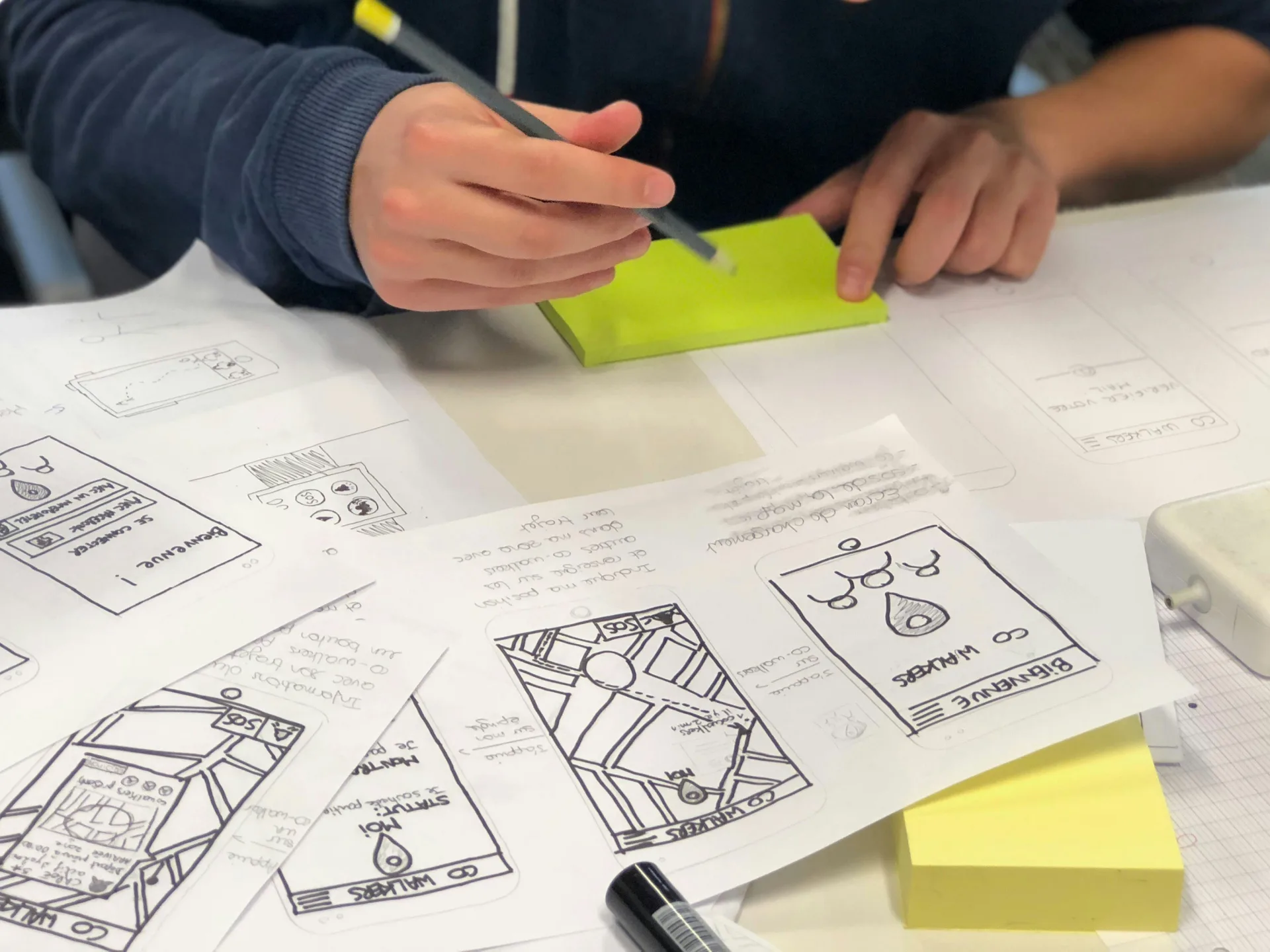
This idea deserves its own moment, because it reframes the whole discipline. In a traditional workflow, the designer manipulates the UI directly. In an AI-assisted workflow, the designer manipulates the context that produces the UI: the constraints, the brand rules, the user data, the edge cases, the tone. The surface gets generated; the thinking gets curated.
For businesses, this is the signal worth acting on. The competitive advantage is no longer owning a faster design tool. Everyone will have those. The advantage is owning a well-documented, well-structured body of context, including design systems, content guidelines, user research and decision rationale, that AI can draw from to produce consistent, on-brand, usable work at speed. Teams with messy, tribal knowledge will generate messy, inconsistent prototypes. Teams with clear context will move fast without losing coherence.
Why students sometimes outperform professionals
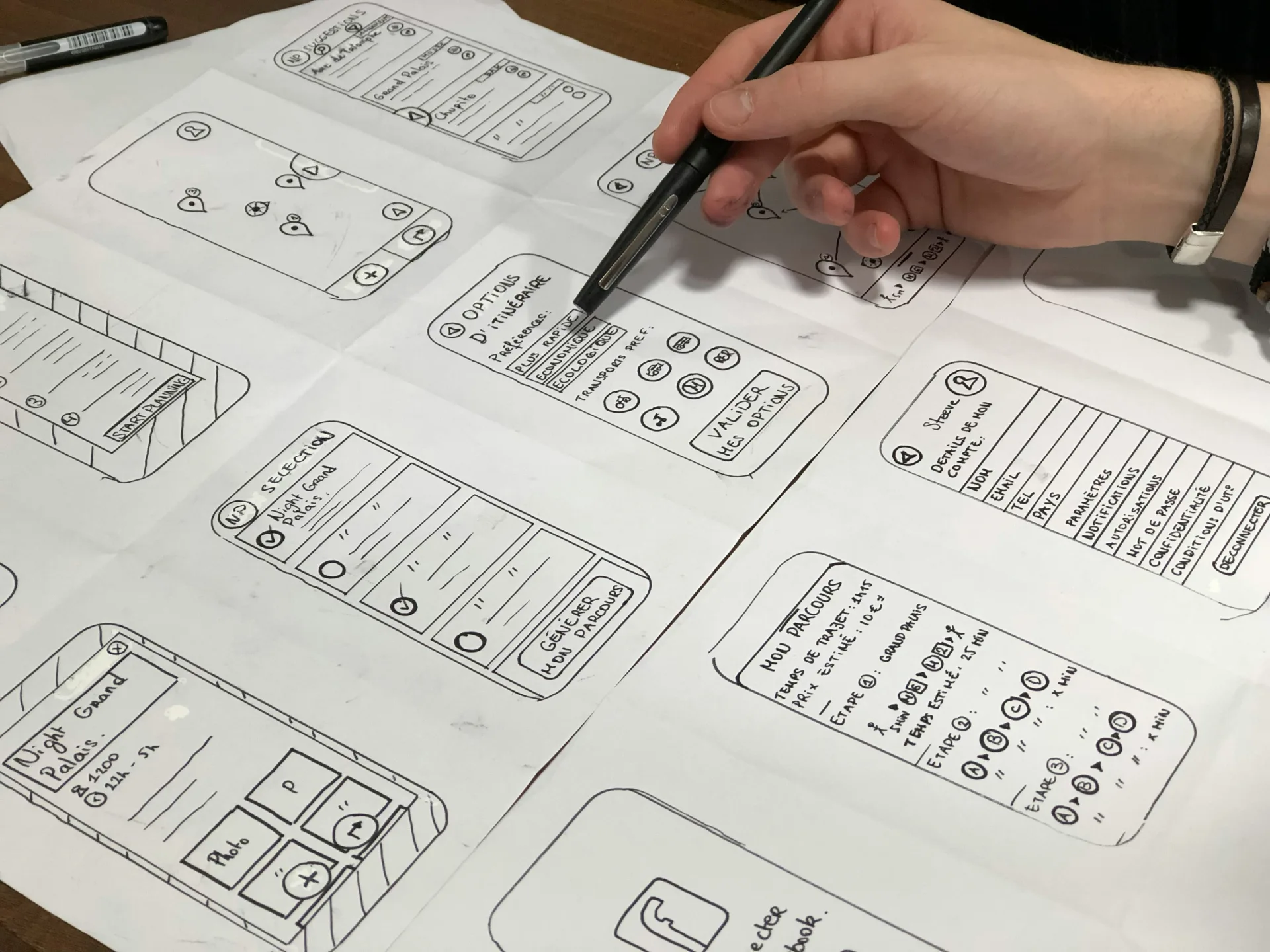
One uncomfortable lesson from the classroom: students unburdened by old habits often adopt AI prototyping more fluently than seasoned designers. They don't mourn the craft they're skipping, because they never built their identity around it. They treat AI as a collaborator rather than a threat.
That's a preview of a generational shift. The designers entering the workforce now will expect AI-native workflows as a baseline. Organisations still debating whether to allow these tools are, in effect, training their future talent to work in ways their own processes don't support. The gap between how students learn and how companies operate is a hiring and retention risk hiding in plain sight.
What this means for how teams should work
Pulling these threads together, a few practical shifts follow for any team that takes design seriously:
- Invest in context infrastructure. Treat your design system, content standards and research repository as the most valuable asset in your AI workflow, because they are.
- Hire and train for judgement. Evaluation, taste and critical thinking are now harder to automate than production. Build teams around people who can tell good from plausible.
- Prototype earlier and more often. When generating a testable interface costs minutes, there's no excuse for arguing in abstractions. Put real artefacts in front of real users sooner.
- Keep humans on the hook for quality. AI accelerates everything, including mistakes. Accountability for usability, accessibility and ethics stays firmly human.
The classroom experiments with teaching prototyping aren't just an education story. They're a low-stakes rehearsal for a change that's already arriving in product teams. The designers who will matter most aren't the fastest clickers. They're the clearest thinkers, the sharpest critics, and the people who understand that in an AI-shaped craft, context is the thing you actually design.
Sources
- What I learned teaching AI prototyping at university — UX Collective
- Design by numbers, Teaching AI prototyping, Context is the new UI — UX Collective