Key takeaways
- AI agents are now a real user segment — design your product's structure and semantics for them, not just for human eyes.
- Borrow the loom's lesson: build systems that can recognise and signal their own mistakes before acting at scale.
- Dark patterns become catastrophic when machines replicate bad decisions thousands of times per minute.
- Automation concentrates human judgment rather than removing it — oversight dashboards are now high-leverage UX.
- Ethical UX for machines is ultimately ethical UX for the humans accountable behind them.
For thirty years, UX has obsessed over one question: how do humans experience an interface? That question is no longer complete. A growing share of your traffic, transactions and decisions now flows through machines — AI agents booking, buying, filling forms, reading documentation and acting on behalf of people who never touch your screen. Designing ethical UX for machines is quickly becoming a core discipline, not a fringe experiment.
This is not about abandoning human-centred design. It is about extending it. When an autonomous agent is the one clicking, the consequences still land on a human — the person who delegated the task, the business that trusted the output, the customer at the end of the chain. Ethical UX for machines is, at its heart, ethical UX for the humans standing behind them.
Why machines are now a user segment
Treating AI agents as legitimate users forces a healthy reframing. Agents don't scan visual hierarchies or feel delighted by micro-interactions. They parse structure, follow affordances they can detect programmatically, and act on the clearest signal available. A checkout flow that dazzles a human can quietly mislead an agent — or worse, get exploited by a poorly aligned one.
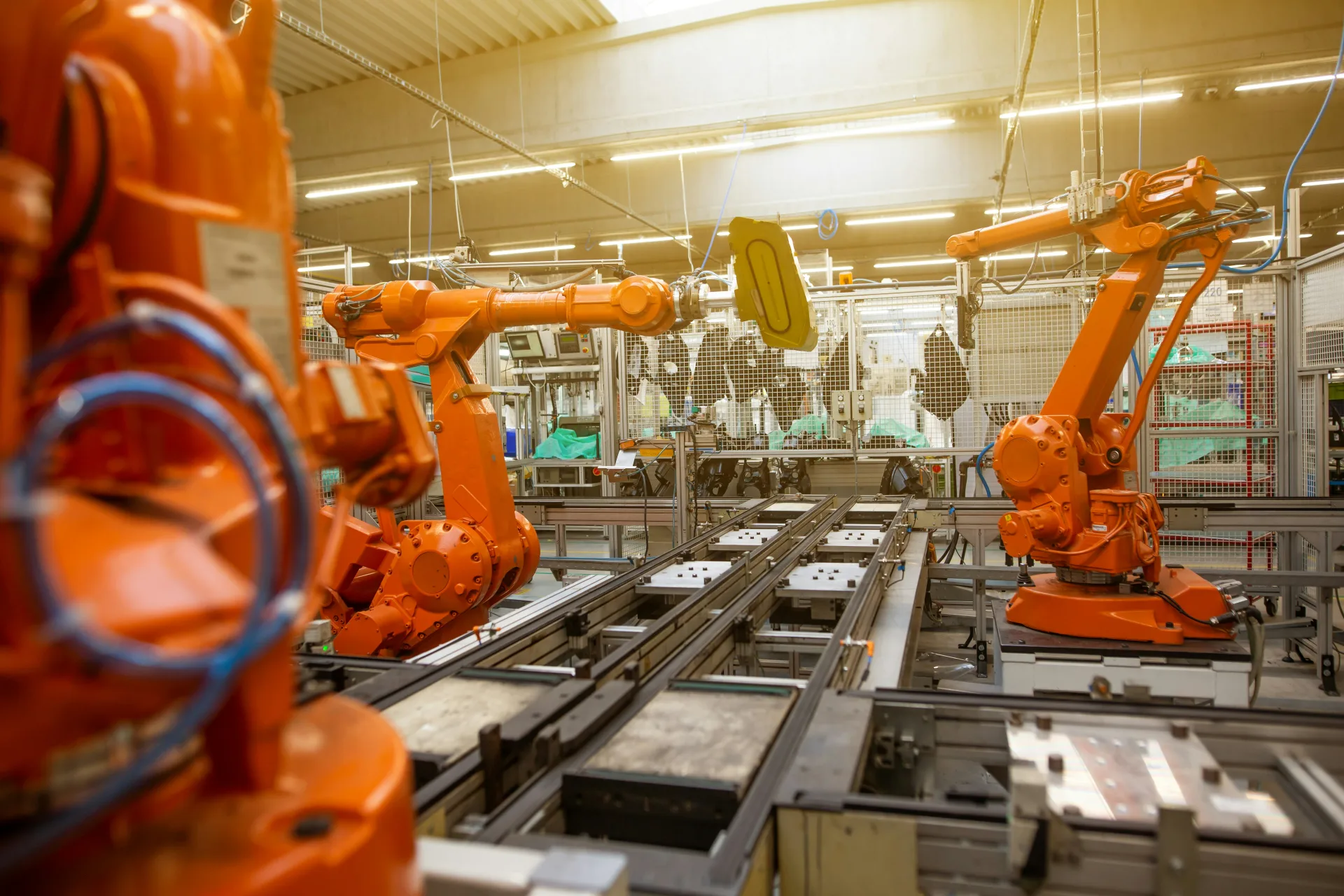
There is an instructive lesson buried in the history of the loom. Nearly a century of engineering went into teaching automated looms to detect their own broken threads and stop before producing hundreds of metres of flawed cloth. The machine that could raise its hand and admit a mistake was a breakthrough in industrial ethics long before we had the vocabulary for it. That principle — a system designed to recognise and signal its own failure — is exactly what modern agent interfaces need.
Principles for designing interfaces machines can use responsibly
From our work at the intersection of automation and UX, a few design principles consistently separate trustworthy agent experiences from risky ones.
- Make intent legible. Structured data, clear semantics and machine-readable states let an agent understand what an action really does before it commits to it.
- Design for graceful uncertainty. Give machines a way to say "I'm not sure" — a confirmation step, a confidence threshold, a fallback to a human. The loom that stopped itself is the model here.
- Prevent dark patterns from scaling. Manipulative UI aimed at humans becomes catastrophic when an agent replicates a bad decision thousands of times per minute. Ethical constraints must be baked into the flow, not the copy.
- Keep an audit trail. Every agent action should be traceable back to the intent that triggered it and the human who is accountable for it.
Judgment is the new bottleneck
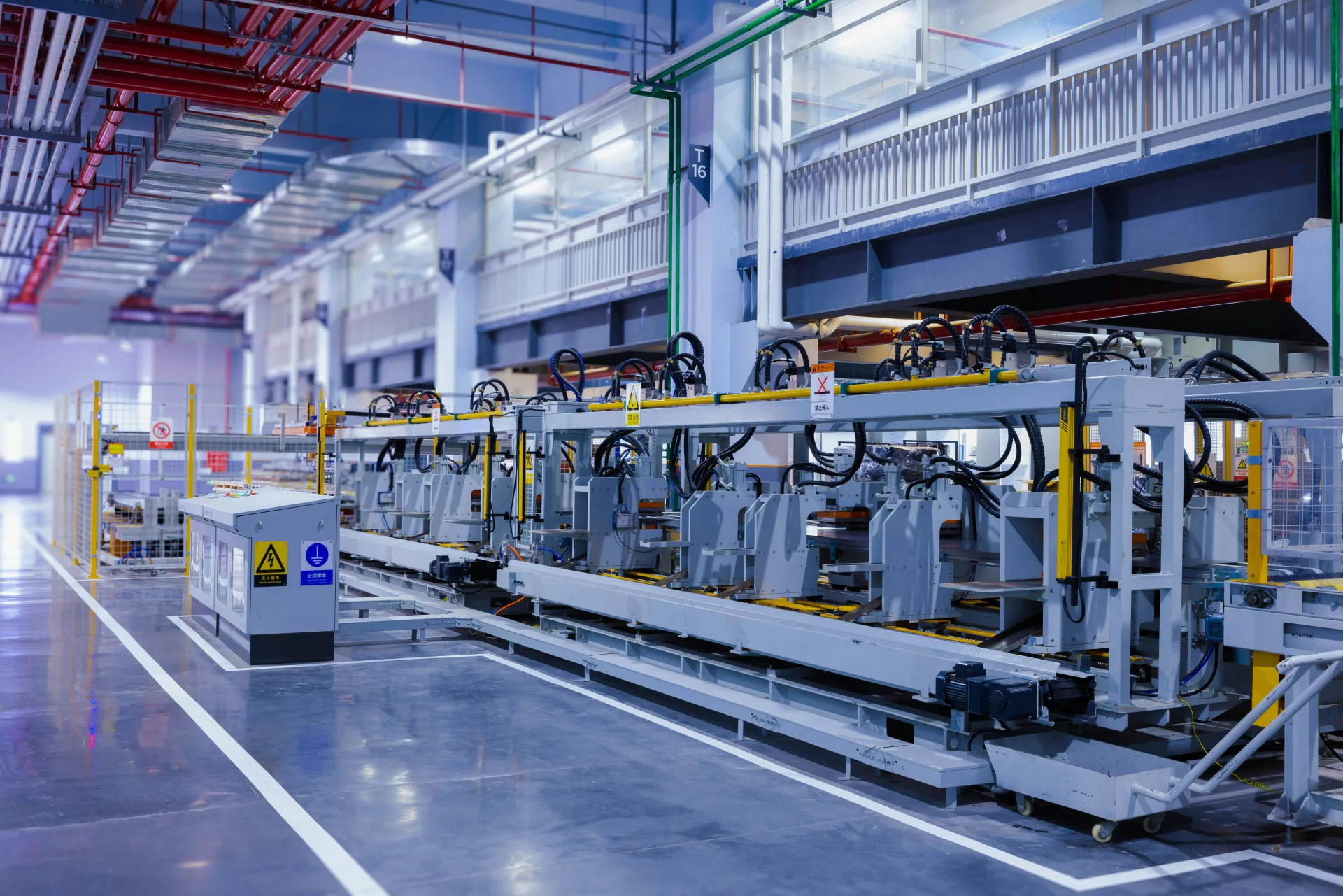
The uncomfortable truth emerging across the industry is that automation doesn't remove human judgment — it concentrates it. As machines handle more of the execution, the scarce resource becomes the quality of the decisions we delegate and the guardrails we set. Leadership in this era is less about doing the work and more about deciding what machines are allowed to do, and how they should behave when the situation is ambiguous.
This has real design implications. The most important screens in an agent-driven product may not be the ones the agent uses at all — they are the human oversight dashboards: the places where people set boundaries, review edge cases and intervene. Designing those control surfaces well is arguably the highest-leverage UX work available today.
Where this leaves product teams
Practically, we advise clients to start by auditing which parts of their product are already being consumed by machines, then to design deliberately for that layer: clean APIs and semantics for the agent, transparent reasoning and confirmation for high-stakes actions, and a human-in-the-loop wherever the cost of a wrong decision is significant.
The goal isn't to make interfaces friendlier to machines for its own sake. It's to ensure that as more of the world's clicks are made by software, the values behind those clicks — clarity, honesty, accountability — don't get lost in the automation. A machine that can raise its hand is worth more than a machine that never stops.
Sources
- Defining ethical design for machines — UX Collective
- The loom that raised its hand — UX Collective
- Rethinking leadership, Judgment as bottleneck, Ethical UX for machines — UX Collective