The word search no longer means a single blue-linked results page. It means Google, ChatGPT, Perplexity, Gemini, Apple Maps, TikTok and a growing list of AI assistants that synthesise answers rather than list them. For brands, the temptation is to treat each channel as a separate campaign with its own budget line and its own consultant. Having watched this play out across client accounts over the past year, we're convinced that's the wrong instinct. The mechanics differ, but the fundamentals converge on one thing: publishing information that machines can verify and humans actually want to read.
The myth of a separate AI strategy
A cottage industry has emerged around "AEO" and "GEO"—answer and generative engine optimisation—sold as distinct disciplines requiring distinct playbooks. Google itself has quietly dismantled that premise, describing search and its AI agents as one product built on one set of signals. When you dig into how tools like ChatGPT actually assemble a response, the picture sharpens further.
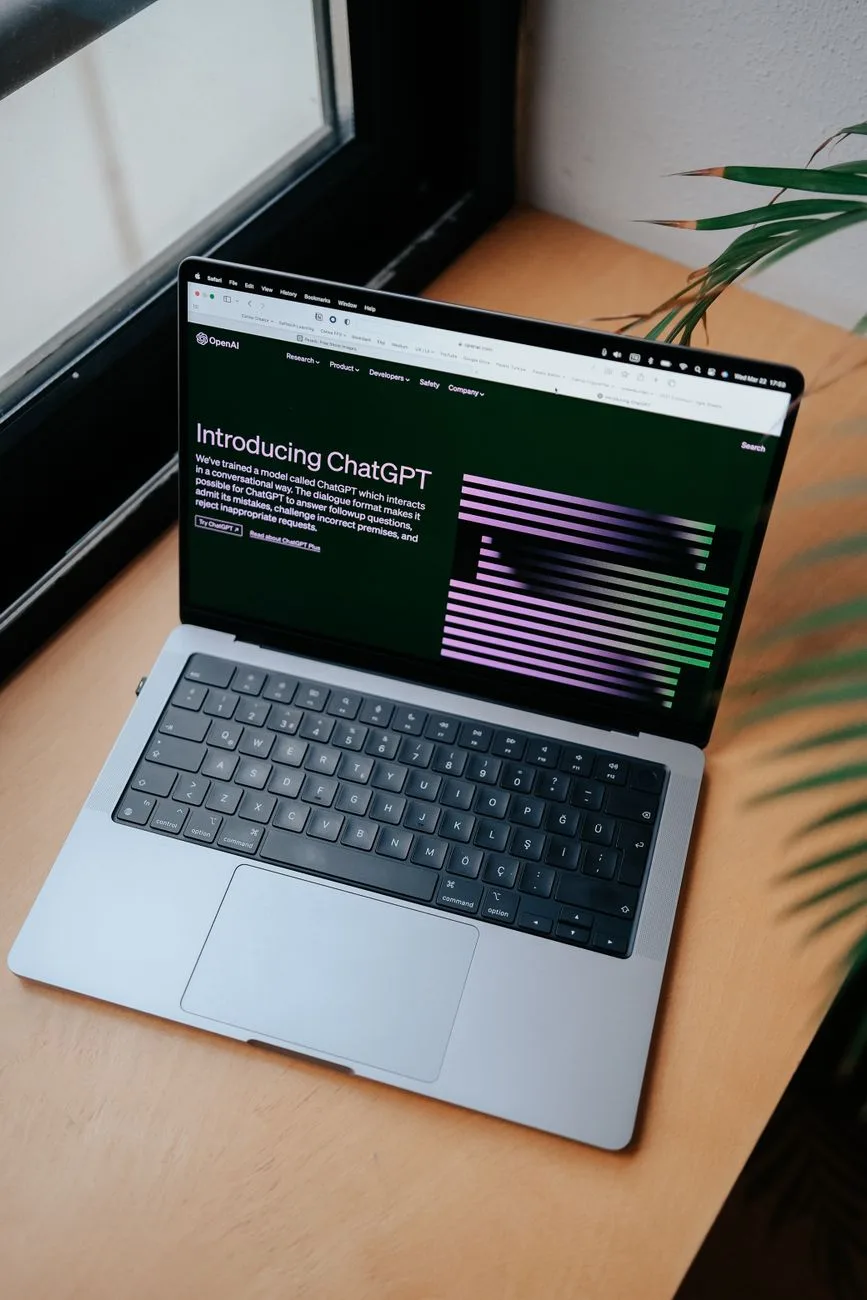
Analysis of the network traffic behind these systems—rather than the polished output—reveals something instructive. AI models don't invent authority. They lean on crawlable facts, third-party validation, and live search calls triggered by specific queries. If your product data, pricing, or expertise isn't accessible and corroborated elsewhere on the open web, the model has nothing solid to cite. The lesson is deflating for anyone selling secret GEO hacks: there is no prompt-whispering shortcut. There is only being genuinely findable and genuinely trustworthy.
What machines can and can't see
The practical implications are concrete:
- Crawlability still rules. If key facts are locked in JavaScript, PDFs, or images without structured markup, they may never enter the model's knowledge.
- Third-party corroboration matters more than self-assertion. A claim repeated across reputable independent sources carries weight; a claim living only on your own site does not.
- Query-level triggers decide when live search fires. Some questions pull fresh web results, others rely on training data. Understanding which is which shapes where your effort pays off.
Fragmentation is real, but the response is unified
For multi-location brands, visibility has scattered across Google Business Profiles, AI assistants recommending nearby options, social discovery, and navigation apps that answer "open now" queries before anyone touches a browser. This fragmentation is genuine and demands operational discipline—consistent NAP data, clean local structured markup, reviews maintained per location.
But notice that none of these tactics contradict each other. Accurate, well-structured, corroborated location data feeds Google's local pack, AI recommendations, and map apps simultaneously. You are not building four strategies. You are building one clean data layer that multiple surfaces consume. That's the pattern across the board: the surfaces multiply, the foundations don't.
Content people actually want to read
Google has been unusually blunt lately: publishers who want to survive in AI Search need to make content users actually want to read. It sounds obvious to the point of being unhelpful, but it cuts against a decade of SEO habit. Thin, templated pages engineered purely for ranking signals were always fragile. In an AI-mediated results environment, they're worse than fragile—they offer nothing worth surfacing, because a model can generate that generic summary itself.
The content that earns citations and referrals now tends to carry information a model cannot synthesise on its own: original data, first-hand experience, specific numbers, genuine expertise. This is where small publishers may find unexpected room. Google's Liz Reid has argued that personalisation and preferred-source signals could help smaller sites get found in AI search—though, notably, she offered no data to back the claim. We'd file it as encouraging direction rather than proven strategy. The safer bet remains distinctive, verifiable content over volume.
The enforcement side is tightening too
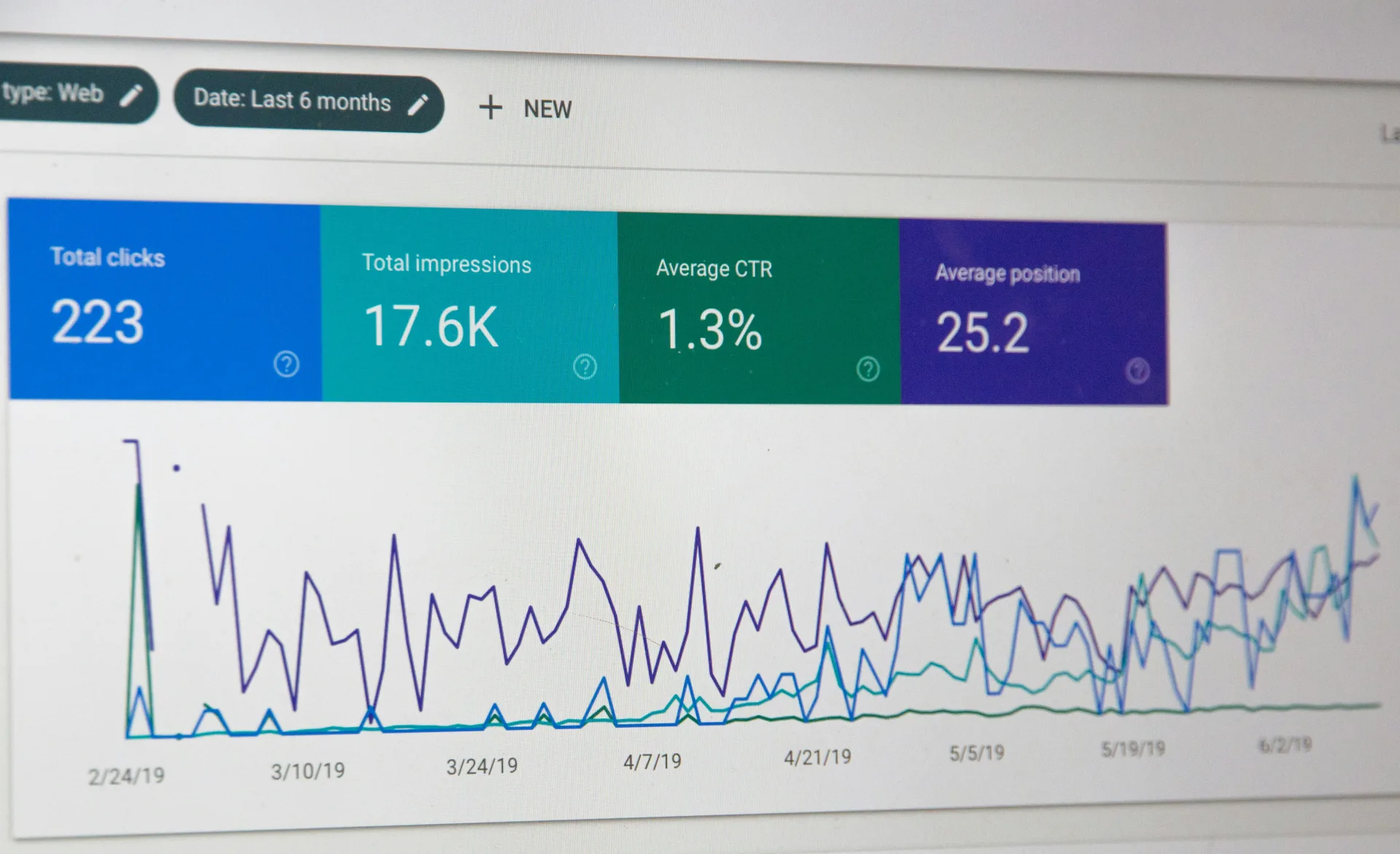
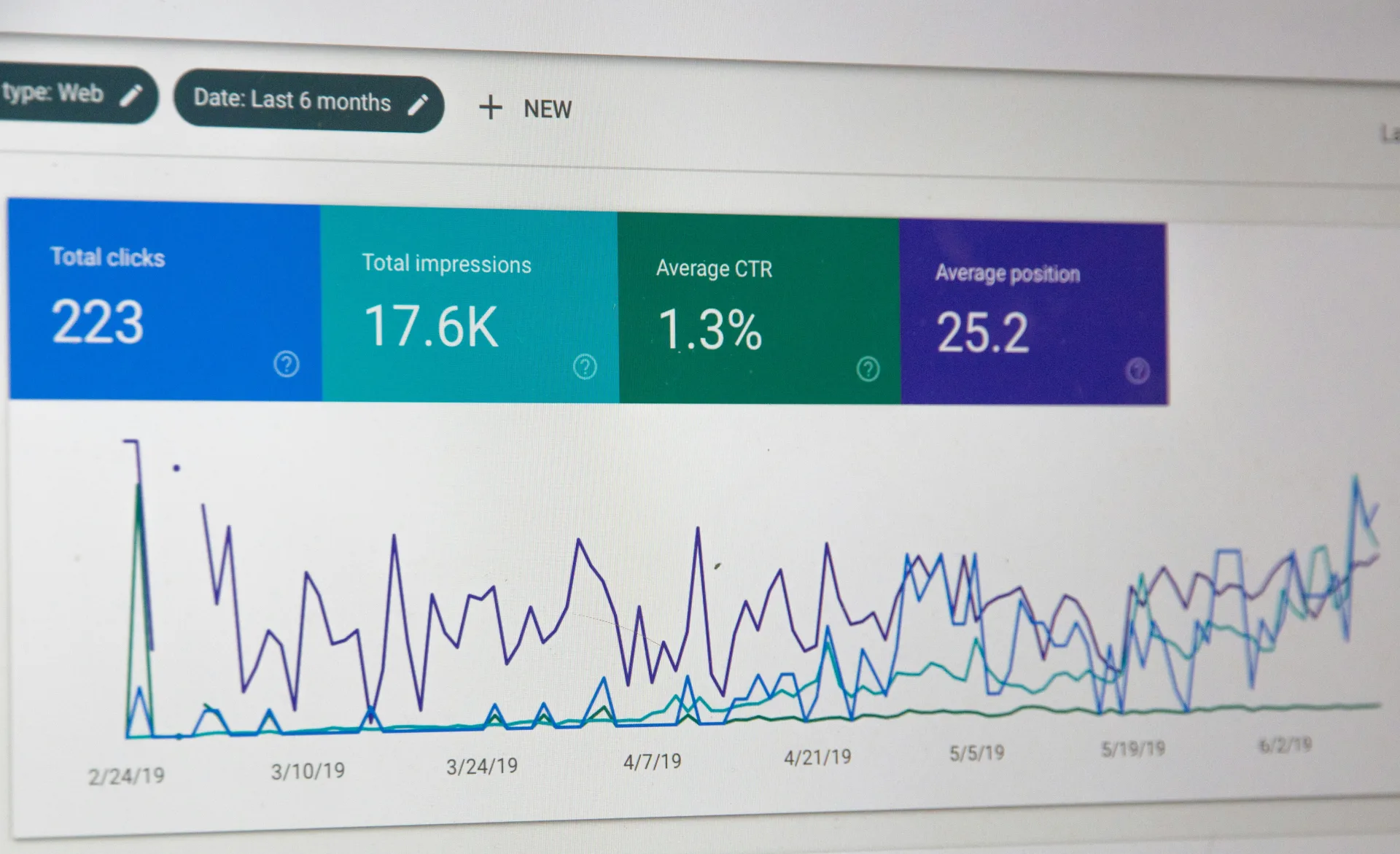
Anyone tempted to game these systems should note that the rules are hardening in parallel. Google's recent spam update explicitly brought AI-driven manipulation into scope, targeting the flood of low-effort generated content produced to chase visibility. Alongside it, the industry is grappling with new measurement questions: how AI impressions are counted, what click-through behaviour looks like when answers appear on-surface, and evidence from providers like Similarweb suggesting branded search patterns are shifting as users query assistants directly.
Two things follow. First, measurement frameworks built for classic search need updating—your dashboards are likely undercounting AI-driven discovery and overweighting traditional clicks. Second, the manipulation loophole is closing faster than most operators expect. Building on shortcuts that a spam update can erase overnight is not a strategy; it's a liability.
What we recommend to clients
The through-line is simpler than the noise suggests. Rather than commissioning separate AI, local, and organic programmes, we advise building one durable foundation:
- Make your facts machine-readable and externally verified—structured data, consistent entity information, and presence in sources models trust.
- Invest in content only you can produce—proprietary data, real expertise, specific answers to real questions.
- Maintain a single clean data layer that every surface, from Google to Gemini to Maps, can consume.
- Rebuild measurement to capture AI impressions and assistant-driven discovery, not just legacy clicks.
The channels will keep multiplying, and the vendors selling channel-specific miracle strategies will keep multiplying with them. The brands that win the next phase of search won't be the ones with the most playbooks. They'll be the ones whose information is so accessible, credible and genuinely useful that every system—human or machine—has an easy reason to surface it.
Sources
- How ChatGPT Actually Picks Sources (I Read The Network Traffic, Not The Outputs) via @sejournal, @suganthan — Search Engine Journal
- Multi-Location Search Visibility: Winning In Google & AI via @sejournal, @seosteve — Search Engine Journal
- Google’s Liz Reid: Personalization Can Help Small Publishers via @sejournal, @MattGSouthern — Search Engine Journal
- Search And Agents Are One Product. You Only Need One Playbook via @sejournal, @slobodanmanic — Search Engine Journal
- Google Says AI Visibility Hinges On Content People Actually Want To Read via @sejournal, @martinibuster — Search Engine Journal
- Google Spam Update Rolls Out, AI Manipulation In Scope – SEO Pulse via @sejournal, @MattGSouthern — Search Engine Journal