Key takeaways
- Single rank numbers are no longer reliable — SERP shifts and data poisoning are breaking traditional trackers.
- A KI Sichtbarkeit Tracker measures whether AI engines mention and cite you, not just where you rank on Google.
- AI visibility is probabilistic: track frequency of appearance across repeated prompts, not one-off snapshots.
- Vet vendors on detection, transparency and reprocessing of suspect results.
- Close the loop: route visibility alerts to owners and actions so insight drives real change.
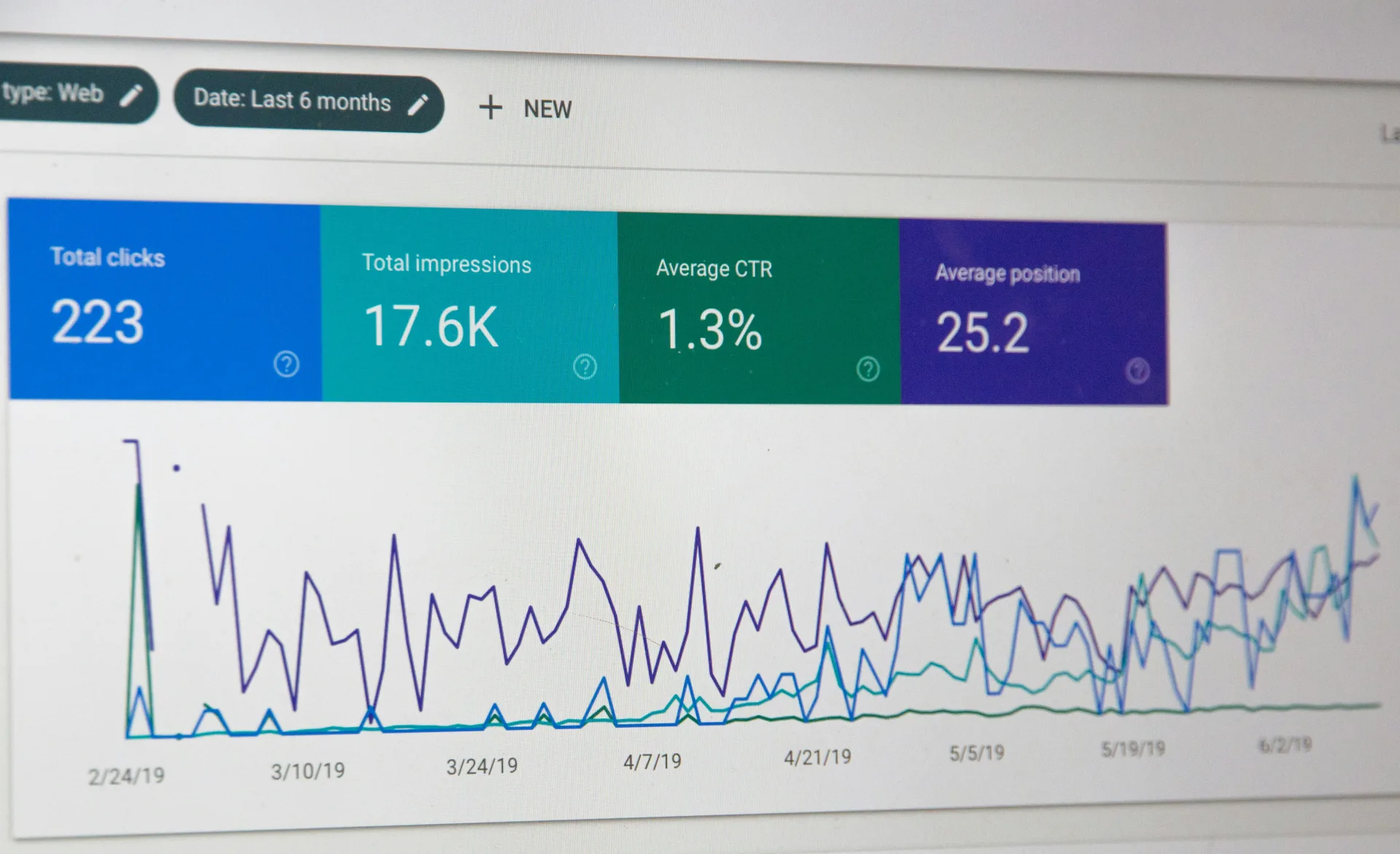
For fifteen years, SEO teams lived by one number: where you rank on Google. That era is quietly ending. Search is fragmenting across AI Overviews, ChatGPT, Perplexity and Bing's generative answers, while the underlying rank-tracking data many businesses rely on is becoming noisier and harder to trust. If you still measure success with a single position number, you're flying with half your instruments broken. This is exactly where a modern KI Sichtbarkeit Tracker (AI visibility tracker) becomes essential — a system that monitors not just your Google rank, but whether AI engines mention, cite and recommend you at all.
Why traditional rank tracking is losing reliability
Two things are happening at once. First, the search results page itself is changing shape faster than ever: links lose tracking tags, AI answer formats shift, and pages suddenly appear with unfamiliar sites missing. Industry observers have logged Google pages that are simply absent of their usual results, ChatGPT citations dropping their tracking parameters, and both Google and Bing altering how AI search links behave. Each of these quietly breaks the measurement layer your reporting depends on.
Second — and more corrosive — there are credible analyses suggesting Google may be serving degraded or altered results specifically when it detects automated rank-tracking behaviour. Whether you call it poisoning, obfuscation or bot defence, the effect is the same: the data businesses use to make real budget decisions becomes suspect. If the numbers in your dashboard don't match what a real user sees, every strategic call built on them is compromised.
How the serious tools are responding
Reputable rank trackers aren't ignoring this. The better providers now run verification layers: when a result looks suspicious, they re-check it, flag it to customers, and in some cases reprocess the query rather than logging a bad data point as truth. The key questions you should ask any vendor are blunt:
- Detection: How do you identify a suspect or degraded result?
- Transparency: What do I actually see in the dashboard when a check is triggered?
- Reprocessing: Do you re-run queries, and does that correct historical data or only future readings?
A vendor that can't answer these clearly is selling you confidence, not data.
From rank tracking to visibility intelligence
The deeper shift is conceptual. Rank is a proxy; visibility is the goal. A KI Sichtbarkeit Tracker widens the lens to answer the question that actually matters in 2025: when someone asks an AI assistant about your category, do you show up? That means monitoring across surfaces that a classic tool never touched:
- Mentions and citations inside Google AI Overviews.
- Whether ChatGPT, Gemini and Perplexity name you — and link to you — in answers.
- Which of your pages are being cited as sources, and for which prompts.
- Share of voice against competitors in generative answers, not just blue-link SERPs.
This is a different data discipline. AI answers are non-deterministic — ask the same question twice and you may get two different sets of sources. So a good tracker samples prompts repeatedly, tracks frequency of appearance rather than a single snapshot, and separates signal from the natural variance of a probabilistic system.
Build the loop, don't just watch the dashboard
The most interesting evolution isn't the tracker itself — it's what you do with it. We've seen teams turn raw tracking feeds into operating systems. One widely shared example had an automated tracker polling a dozen-plus tools hourly, using an LLM like Claude to translate raw changelog noise into plain-language relevance, then pushing role-specific digests to the people who actually needed to act. The lesson for SEO is direct: visibility data is only valuable when it's routed to a decision.
At Evocative, we build this as a closed loop. The tracker detects a drop in AI citations for a key topic; an LLM summarises what changed and why; the content or technical owner gets an alert with a suggested action; the fix ships; the tracker confirms recovery. That's the difference between monitoring and managing.
What to do now

You don't need to rip out your existing stack. You need to stop treating a single rank number as truth and start layering intelligence on top of it:
- Audit your current tool's integrity: ask it the three detection/transparency/reprocessing questions above.
- Add AI surface monitoring: track whether you're cited in AI Overviews and chat assistants, not just where you rank.
- Measure frequency, not snapshots: treat AI visibility as a probability, sampled over time.
- Automate the response loop: connect alerts to owners and actions, so insight becomes change.
Search is no longer a list of ten links, and your measurement shouldn't pretend it is. The businesses that win the next phase will be the ones who can honestly answer a harder question than "what's my rank?" — they'll know exactly how visible they are wherever decisions are being made, human or machine.
Sources
- How Doug Hamilton turned an AI tracker into a team of builders — Zapier Blog
- Analysis: Google Is Poisoning Search Results For Rank Trackers via @sejournal, @martinibuster — Search Engine Journal
- Rank Tracker Data, ChatGPT Tags & AI Search Links – SEO Pulse via @sejournal, @MattGSouthern — Search Engine Journal
- How Rank Trackers Say They Handle Suspect Google Results via @sejournal, @MattGSouthern — Search Engine Journal