Key takeaways
- A falling ChatGPT traffic number usually means broken tracking, not a lost audience.
- ChatGPT trusts domains more than specific pages — build site-wide authority, not one-off posts.
- AI sourcing diverges by platform; position tracking doesn't measure AI visibility.
- Stay crawlable and fast so expanded AI indexing works in your favour.
- Inspect network data to see which sources AI engines actually fetch for your queries.
If you want to understand where ChatGPT gets its answers — and how your brand can earn a place inside them — you have to stop thinking like a classic SEO and start thinking like a signal strategist. The mechanics behind AI citations are messier, less transparent, and more fluid than the Google SERP most teams have spent fifteen years optimising for. Recent research and field reporting have started to pull back the curtain, and the picture that emerges reshapes how we measure visibility and where we invest effort.
Your ChatGPT traffic reports are probably wrong
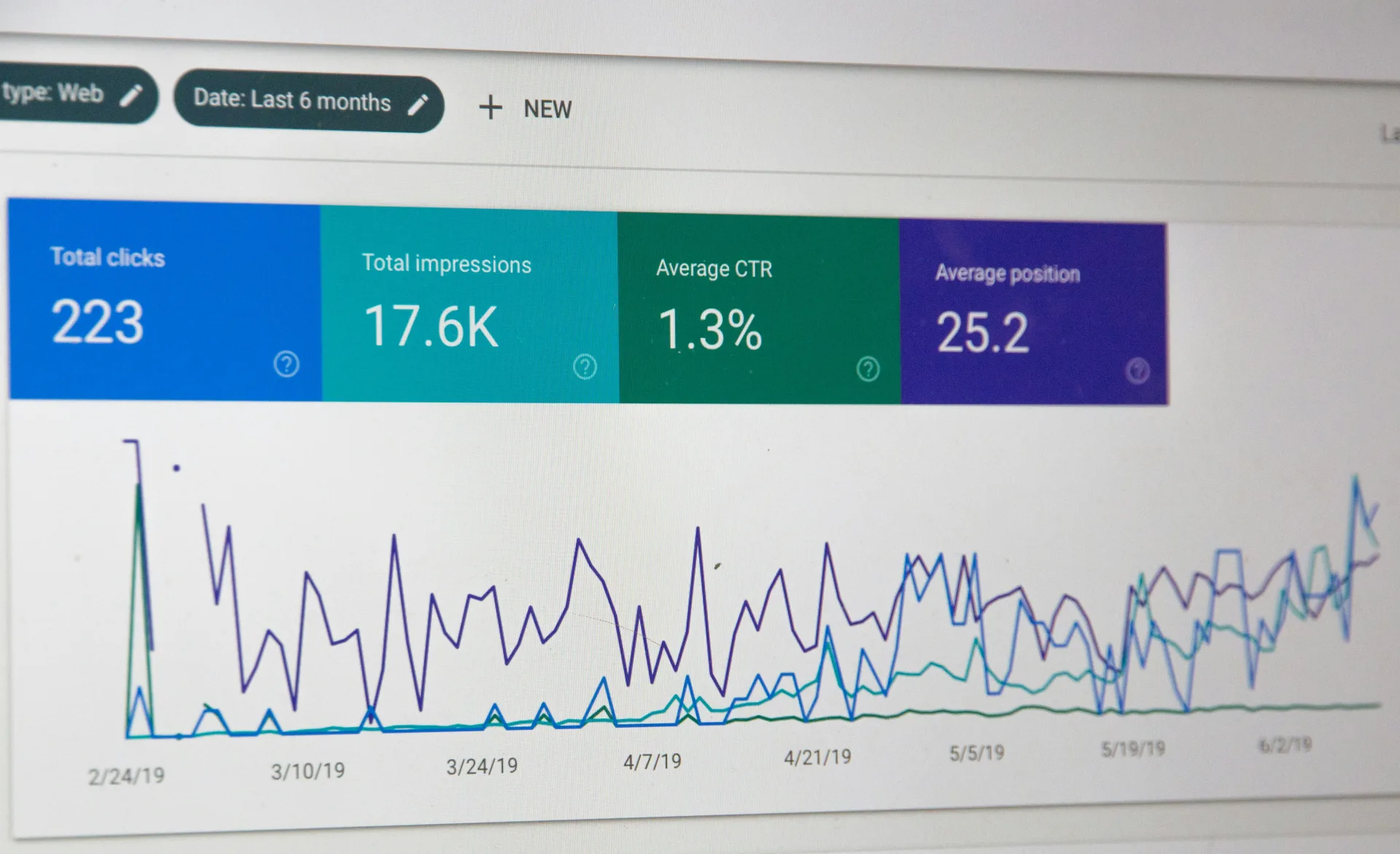
Several analytics datasets recently showed a sharp drop in traffic attributed to ChatGPT. Before anyone panics about AI referrals drying up, the likely explanation is far more mundane: many ChatGPT links now open without tracking parameters, so the visits still happen — they just land in your analytics as direct or unattributed traffic.
This is a crucial point for anyone reporting AI performance to a board or client. A dashboard number falling to zero rarely means the audience vanished; it usually means the measurement broke. We advise treating AI-referral figures as directional, not absolute, and corroborating them with brand-search lift, assisted conversions, and qualitative signals like "I found you through ChatGPT" in sales calls.
How ChatGPT actually chooses its sources
Two findings reframe the sourcing question. First, a paper testing whether Google's results or OpenAI's API could stand in for ChatGPT's citations found they matched the cited domains reasonably often, but matched the exact cited pages much less reliably. In other words, ChatGPT tends to trust certain sites as a whole more than it picks a specific URL the way organic search does. Brand-level authority matters as much as page-level optimisation.
Second, the crawlable universe is expanding fast. After a Cloudflare pilot, network signals reportedly helped OpenAI index hundreds of millions of additional pages for ChatGPT search. That means content previously invisible to the model can suddenly become eligible to be cited — a reminder that technical accessibility (clean rendering, open crawl rules, fast delivery) is foundational, not optional.
Social visibility behaves differently in AI than in search
Minddex research highlights a divergence that breaks traditional rank tracking. Only a small fraction of YouTube URLs cited by Google's AI Overviews also appear in the organic results for the same query, while Reddit URLs overlap far more heavily. And where roughly two-thirds of AI Overview answers cite at least one piece of social content, ChatGPT does so for only a tiny share of responses.
The takeaway: position tracking does not measure AI visibility. A page can rank nowhere organically yet be quoted confidently by an AI engine, and vice versa. Different AI products also weight social proof very differently, so a single "AI visibility" strategy is a fiction. You need per-platform observation.
Read the network, not just the ranking
Some of the sharpest insight right now comes from reverse-engineering browser network data — watching the actual requests an AI product makes as it builds an answer. This low-level approach has exposed everything from Google exploits to how ChatGPT assembles its responses. For agencies and in-house teams, it's a practical skill: inspecting network calls reveals which sources are fetched, when, and how, giving you ground truth that no third-party dashboard provides.
And yes, the ads are coming
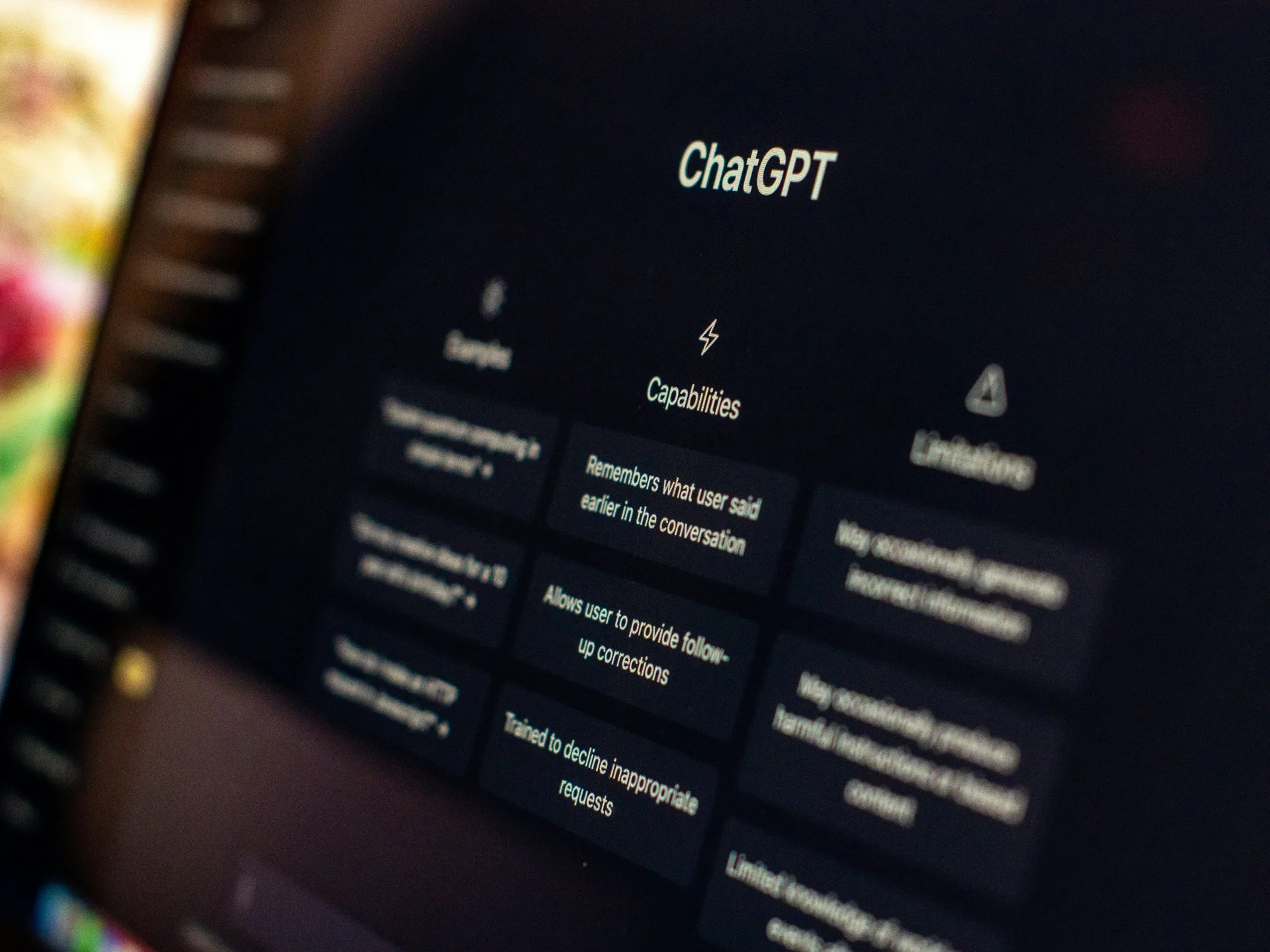
OpenAI has described an ad auction where a custom LLM orchestrator interprets multi-turn conversations, nominates candidate ads, runs an auction weighing relevance and bids, and drops any placement that misses the response deadline. Memory and conversational context feed the decision. This matters even if you never buy a placement: it signals that ChatGPT is becoming a commercial surface where relevance and context — not just bids — govern who appears.
What we recommend at Evocative
- Build domain-level authority: since ChatGPT trusts sites more than specific pages, invest in consistent, expert, well-structured content across your domain rather than isolated "AI-optimised" posts.
- Fix measurement first: instrument brand lift, assisted conversions and direct-traffic spikes; never trust a single AI-referral metric.
- Stay crawlable: clean HTML, open sensible crawl permissions, fast delivery — so expanded indexing works in your favour.
- Track per platform: monitor ChatGPT, AI Overviews and others separately, because their sourcing logic diverges sharply.
- Watch the wire: use network inspection to see which sources AI engines actually fetch for your priority queries.
The brands that win AI mentions won't be the ones chasing a single ranking number. They'll be the ones treated as trusted, accessible, context-relevant sources — and the ones honest enough about measurement to know when they already are.
Sources
- ChatGPT Traffic Drop Appears To Be A Tracking Problem via @sejournal, @MattGSouthern — Search Engine Journal
- OpenAI’s API Only Partly Matched ChatGPT’s Citations, Paper Finds via @sejournal, @MattGSouthern — Search Engine Journal
- ChatGPT Search Can Draw On More Pages After A Cloudflare Pilot via @sejournal, @MattGSouthern — Search Engine Journal
- Wiretapping The SERP: Reverse Engineering Network Data — Search Engine Journal
- YouTube, Reddit, TikTok : le suivi de positions ne mesure pas la visibilité sociale dans l’IA, selon Minddex — Abondance
- Inside ChatGPT’s Ad Auction: How Relevance, Bids, And Memory Decide Placement via @sejournal, @brookeosmundson — Search Engine Journal