Anyone tracking SEO news through a reference site like site Abondance has noticed the same thing this year: the ground is shifting fast. Between the arrival of AI Overviews in France, new generative-AI controls in Search Console, and a fresh spam update, Google is redrawing the rules of visibility. The noise is loud, but the underlying message is refreshingly consistent. Below, we cut through the announcements and translate them into decisions that actually protect and grow your organic traffic.
AI Overviews land in France: prepare for fewer clicks, higher intent
Google confirmed it will roll out AI Overviews and the conversational AI Mode (powered by Gemini) to French users, after months of regulatory delay. For publishers and businesses, this is not a distant experiment anymore. When Google summarises answers directly in the results page, a slice of informational queries will simply stop generating clicks.
That sounds alarming, and for thin, purely informational content it is. But the strategic response is not panic. It's segmentation. We advise clients to separate their content into two buckets:
- Commodity answers that AI will absorb (definitions, generic how-tos, quick facts).
- Decision-grade content that people click through for: pricing logic, comparisons, proprietary data, opinionated expertise.
The traffic you lose on the first bucket is often low-value anyway. The traffic worth defending sits in the second, and that's where investment should concentrate.
The counter-intuitive lesson from Google itself
Liz Reid's public message to publishers was blunt: traffic declines aren't caused by AI alone. Behavioural shifts, video and social channels are pulling attention away too. Her practical advice boiled down to two priorities. First, let Google access your content technically. Second, publish genuinely useful, distinctive material. It's almost old-fashioned, and that's precisely why it works: fundamentals don't expire when the interface changes.
Take back control: the generative-AI settings in Search Console
One of the most under-discussed developments is Google's documentation on controlling whether your content appears in AI Overviews, AI Mode and generative features in Discover. The controls went live in mid-2026, initially for a limited set of sites.
This gives site owners a genuine lever, but it's a double-edged one. Excluding your content from AI features may preserve a click here and there, yet it can also erase your presence from the surfaces where more and more users now start their journey. Our stance for most clients is nuanced:
- Do not reflexively block AI features across the board.
- Do audit which pages are being cannibalised versus which ones benefit from AI visibility as a brand-awareness channel.
- Do treat these controls as a strategic instrument, not a defensive wall.
The businesses that win will experiment with granularity, measuring the trade-off between citation value and click loss per content cluster.
Open Knowledge Format: read the fine print
Google's Open Knowledge Format was presented as a way to share knowledge between teams and organisations. On the surface, it reads like a neutral data-exchange standard. In practice, the more interesting question is how such structured formats feed the machinery that powers AI answers. When you make your knowledge more machine-legible, you make it easier for Google to reuse, cite, or summarise it.
The pragmatic takeaway: structured data and clean, well-organised content are no longer just about rich snippets. They're about being an ingestible, quotable source in an AI-mediated results page. Being the source an AI cites is fast becoming the new page-one ranking.
The June 2026 spam update: quality is still the moat
Alongside the AI headlines, Google refreshed its anti-spam algorithms. It's easy to overlook amid the Gemini excitement, but the signal is important: the more Google leans on AI to summarise the web, the more it needs trustworthy sources to summarise. Sites relying on scaled, low-effort, or manipulative content are increasingly exposed.
Meanwhile, smaller signals matter too. Recurring debates picked up across the SEO community, from whether meta descriptions still influence behaviour to how AI agents will crawl and interact with pages, all point in the same direction: human-centred, well-crafted pages are the safest bet in an unpredictable landscape.
Evocative's playbook for the next 12 months
Reading these developments together, a coherent strategy emerges. We recommend clients focus on four moves:
- Technical accessibility first. Ensure Google can crawl and render everything you want considered, then decide deliberately what to expose to AI features.
- Double down on distinctiveness. Proprietary data, real expertise and strong points of view are what survive summarisation and earn citations.
- Structure your knowledge. Clean markup and organised content increase your odds of being the quoted source in AI answers.
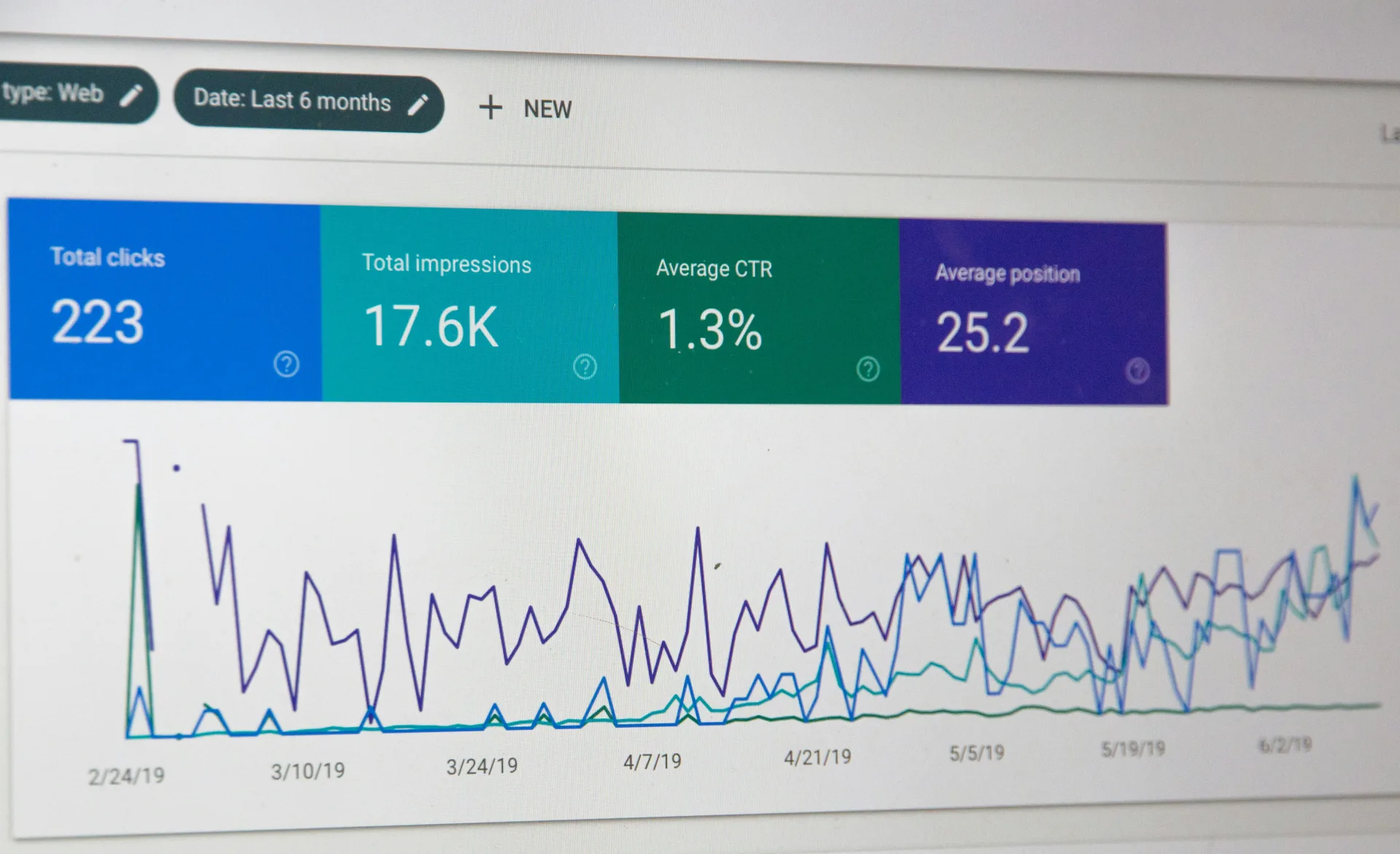
- Measure differently. Track impressions, citations and assisted conversions, not just raw clicks. The old dashboards will mislead you.
The agencies and brands that treat this transition as a content and trust challenge, rather than a technical trick to game, will come out ahead. Google keeps saying the same thing in new language: build something people genuinely want to read. That has never been bad advice, and in the AI era it's finally becoming non-negotiable.
Sources
- Les Google AI Overviews arrivent en France cet été — Abondance
- Goossips SEO : Meta description & Agents IA — Abondance
- Liz Reid (Google) demande aux éditeurs de créer du contenu que les gens veulent vraiment lire — Abondance
- Google dévoile une documentation complète sur le contrôle des IA génératives dans Search Console — Abondance
- Open Knowledge Format : ce que Google montre, et ce qu’on en a fait — Abondance
- Google Spam Update de Juin 2026 : les algorithmes anti-spam mis à jour — Abondance