Key takeaways
- Search Console won't show social metrics — triangulate with UTM tags and branded-query tracking.
- Social drives demand; your site quality and speed decide whether that demand converts.
- Make your site the most authoritative source on pricing and specifics so AI assistants cite you, not third parties.
- Audit robots.txt and bot rules so you don't accidentally block legitimate crawlers.
- Invest in hosting resilience — an outage during a social spike wastes the traffic you paid to attract.
Search behaviour has quietly fragmented. People discover brands on TikTok, verify them on Instagram, then land on your site to convert. Yet most teams still treat social and SEO as separate departments with separate dashboards. That gap is now costing visibility — not because Google indexes your Reels, but because the signals your social presence generates increasingly influence how your site performs in both classic search and the new wave of AI-assisted discovery.
This guide is a practical look at how to connect social data to your site strategy, and why the old habit of checking Search Console in isolation no longer tells the full story.
Why social data belongs in your site strategy
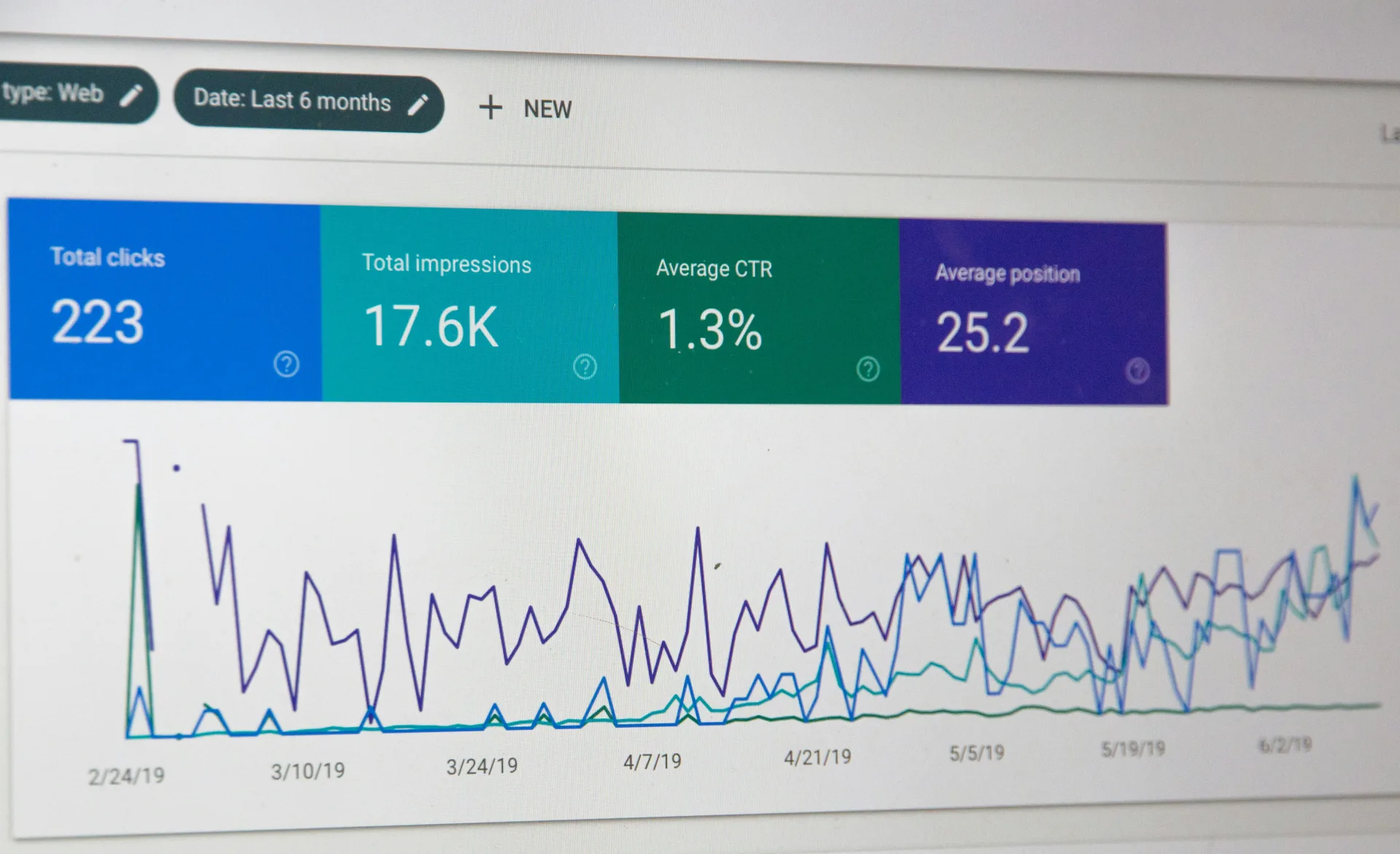
Google Search Console will not report your Instagram engagement or TikTok watch time. Those platforms are walled gardens with their own analytics. But the demand they create is measurable — it shows up as branded search queries, direct traffic spikes, and referral sessions that later convert. When a campaign lands on TikTok, you should see the echo in Search Console within days: a rise in impressions for your brand name and product terms.
The lesson from recent industry discussion around site quality is directly relevant here. Google's own guidance has clarified that overall quality is more than text — it includes how users experience a page. Social traffic is often mobile, impatient and skimming. If your landing pages load slowly or bury the point, the very audience your social content worked to attract will bounce, sending exactly the wrong behavioural signal.
How to read the social-to-search loop in your data

You cannot import TikTok data directly into Search Console, but you can triangulate it. Here is the workflow we use with clients:
- Baseline branded queries. In Search Console, filter Performance by your brand name and product terms before a campaign launches.
- Tag social traffic properly. Use UTM parameters on every link in bios, stories and captions so social sessions are distinct in analytics.
- Correlate the lag. Social exposure rarely converts on first click — watch for branded search growth 3–14 days after a spike in social reach.
- Map landing pages. Identify which pages social visitors hit, then check their Core Web Vitals and engagement in Search Console and your analytics side by side.
This loop turns two disconnected reports into one story: social creates demand, search captures it, and your site converts it.
The AI discovery layer changes the stakes

There is a newer reason to care. AI agents and assistants now retrieve and summarise web content on behalf of users — and research shows they successfully pull most B2B site content but stumble on specifics like pricing, often defaulting to third-party sources instead of your own pages. Social platforms compound this: an assistant asked about your brand may cite a creator's TikTok claim rather than your official positioning.
The defensive move is to make your site the single most authoritative, machine-readable source about your own offering. That means clear pricing where possible, structured data, and consistency between what you say on social and what your site states. When the two agree, AI systems reinforce your message. When they diverge, you lose control of the narrative.
Practical steps to close the gap
- Mirror social claims on your site. Every feature or offer you promote on Instagram should have a canonical, indexable page backing it.
- Expose pricing and specifics. Don't force agents — or users — to third-party aggregators to find what you could publish yourself.
- Protect crawl access. Recent SEO chatter around Cloudflare and robots.txt is a reminder that overly aggressive bot-blocking can accidentally shut out legitimate crawlers. Audit what you allow.
- Invest in resilience. As high-profile web outages have shown, a single CDN or DNS failure can take your site offline mid-campaign — precisely when social traffic peaks. Managed hosting and monitoring protect the SEO gains your social work generated.
Treat it as one funnel, not two channels
The brands winning attention right now stopped asking whether social or search deserves the budget. They measure the whole journey: a TikTok view, a branded Google search, a fast-loading site, a confident AI summary that cites their own pages. Each stage feeds the next.
Your Search Console is still the anchor of that measurement — just stop reading it in a vacuum. Layer social exposure data over it, watch how one drives the other, and optimise your site as the place where all that borrowed attention finally becomes revenue.
Sources
- Google ajoute des indications pour lutter contre les publicités générées par IA — Abondance
- OpenAI ferme Atlas, son navigateur IA, avant son premier anniversaire — Abondance
- Goossips SEO : Cloudflare & Robots.txt — Abondance
- Where AI agents get stuck on your site — Search Engine Land
- Grandes pannes du web : comment l’infogérance soutient les performances SEO — Abondance
- Google Explains SEO Connection Of Site Quality To Non-Indexed Pages via @sejournal, @martinibuster — Search Engine Journal