Key takeaways
- AI shopping agents choose products based on your data quality, not your creative or ad spend.
- Adopt Google's new Category and Sale Duration structured data and keep feed, schema and page prices in perfect sync.
- Clean, complete, real-time product data is the non-negotiable foundation — messy inputs sink even smart systems.
- Use AI to mine Search Console for buyer intent and the attribute language to embed in your listings.
- Original, verifiable product data earns more AI citations and becomes a competitive moat rivals can't copy.
A quiet shift is underway in commerce: the shopper browsing your category page is increasingly not a human at all, but an AI agent acting on someone's behalf. When Google's Universal Commerce Protocol and the new generation of shopping assistants scan the web, they don't read your persuasive copy or admire your hero image. They read your data. And if that data is thin, inconsistent or poorly structured, the agent simply moves on to a competitor whose feed answers its questions cleanly.
This is the uncomfortable truth for merchants right now. The battleground for e-commerce visibility is moving from creative and bidding toward the machine-readable quality of your product information. Below, we lay out how to prepare your feed, your Merchant Center and your structured data for a world where the buyer is an algorithm.
Why product data now decides who wins the sale
AI shopping agents are being built to complete a full purchase journey — discover, compare, and buy — with minimal human input. That means every attribute an agent needs to make a decision has to be present and trustworthy in your data layer. Price, availability, shipping terms, return policy, size, material, compatibility: if any of these are missing or ambiguous, the agent either guesses (badly) or excludes you.
Google's recent additions to merchant listing structured data reinforce the direction of travel. New properties for Category and Sale Duration let merchants express more precise product information, which in turn lets Google — and the agents that sit on top of it — rank and surface products with greater confidence. More precise data isn't a compliance chore; it's a competitive signal.
The foundation: clean, complete, structured
Before chasing any new feature, get the fundamentals right. Agents reward completeness and punish contradiction.
- Match your feed to your structured data. The price in your Merchant Center feed, the price in your product schema, and the price on your live page must agree. Discrepancies erode trust and can suppress your listing entirely.
- Fill every relevant attribute. GTINs, brand, condition, availability, shipping, and the newer category and sale-duration fields. Sparse feeds lose to rich ones.
- Keep availability real-time. An agent that recommends an out-of-stock item damages its own user's experience — so it learns to avoid unreliable sources.
- Write for machines and humans. Titles and descriptions should be specific and attribute-dense, not marketing slogans an agent can't parse.
Marketing mix modeling teaches a useful lesson here: even the most sophisticated open-source models produce garbage when fed messy inputs. The same principle governs AI commerce. Clean data is the non-negotiable prerequisite, and no amount of clever structured markup compensates for a feed riddled with gaps.
Turn your own data into a strategic asset

Preparing for agents isn't only about publishing clean feeds outward — it's about using the data you already own to sharpen your positioning. Two moves matter most.
Mine Search Console for intent, not just traffic
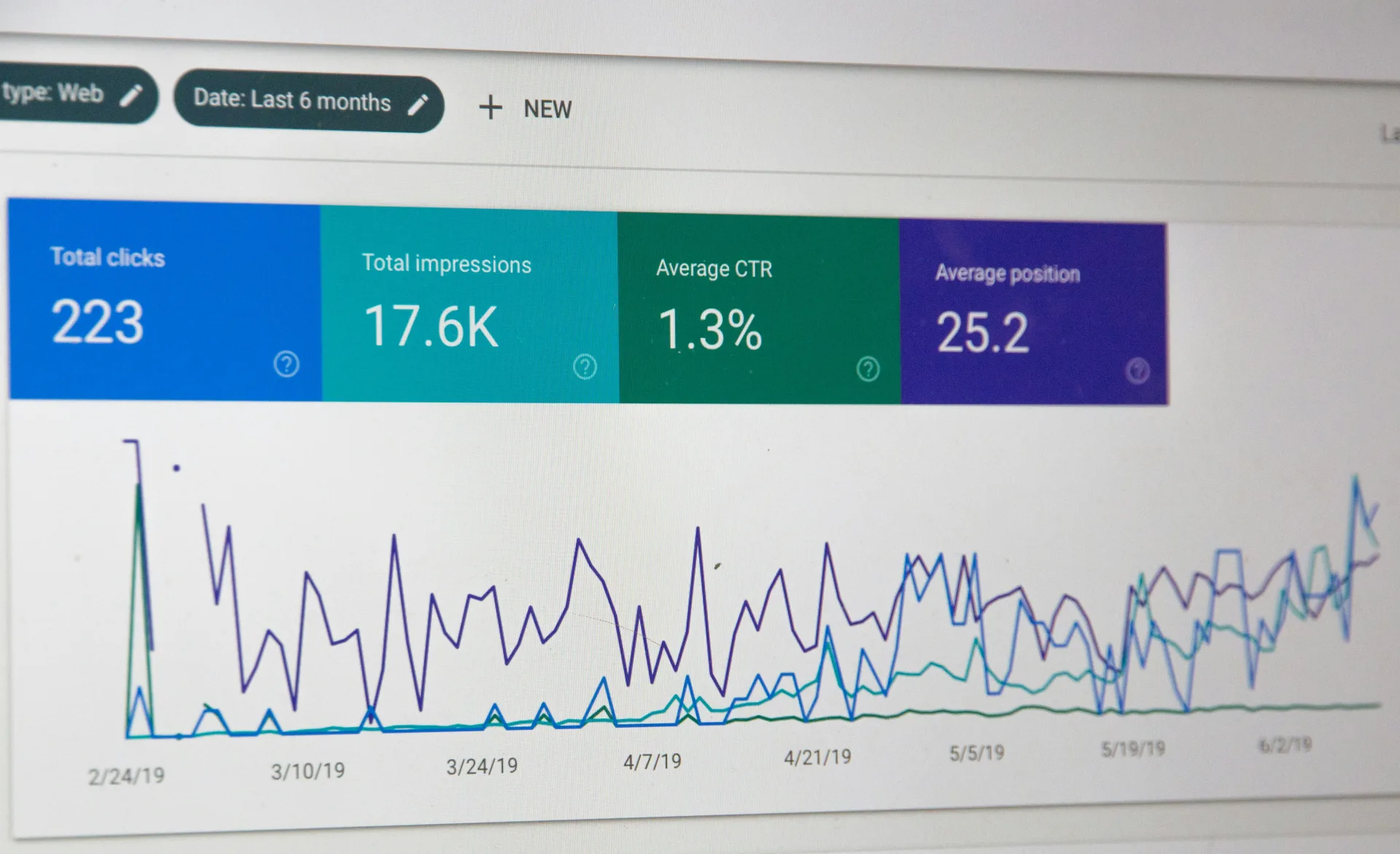
Your Google Search Console data holds thousands of real queries describing how people actually search for your products. AI can classify these by intent, cluster them into themes, and surface the attribute language shoppers use — which is precisely the language you should feed into your product titles and structured data. Instead of manually sifting query reports, let the model spot patterns and prioritise the opportunities with the highest conversion potential.
Consolidate before you add vendors
The instinct under performance pressure is to bolt on another tool. The more durable play is making your existing stack work harder by unifying your data foundation. When product, behavioural and transactional data live in one coherent layer, you can feed AI systems something worth acting on — rather than stitching together fragments that never quite reconcile.
The citation angle: original data as a moat
There's a broader reason to obsess over data quality. Primary research and benchmark studies earn dramatically more citations in AI-generated answers — one analysis found original data pages earning roughly 3.3x more AI citations. For a merchant, this translates into a strategy: publish original, verifiable product and category data — sizing guides, material specs, comparison benchmarks — that agents can cite with confidence. Unique, structured, trustworthy data becomes a moat competitors can't copy from a template.
Where to start this quarter

You don't need to rebuild everything at once. Audit your feed against Google's latest structured data properties, close the gaps between feed and page, and adopt the new category and sale-duration fields. Then use AI to interrogate your Search Console data for the attribute language your buyers use. Do those two things well and you're already ahead of most catalogues an AI agent will encounter.
The agents are coming to shop. The question is whether your data is ready to be chosen.
Sources
- Why most original data never gets cited — Search Engine Land
- The future of performance marketing isn’t more vendors. It’s making your stack work harder. by Rokt mParticle — Search Engine Land
- Google’s New Merchant Listing Structured Data Improves SEO via @sejournal, @martinibuster — Search Engine Journal
- 7 ways AI can turn Google Search Console data into action — Search Engine Land
- Why marketing mix modeling is still hard to get right — Search Engine Land
- Google’s Universal Commerce Protocol: The SEO implications — Search Engine Land