Key takeaways
- AI Overviews now hit commercial-intent SERPs, so stable rankings no longer guarantee stable traffic.
- Chase click probability, not search volume — many top questions are instant-answers with near-zero click potential.
- On high-CPC campaigns, treat invalid-click filtering as a monthly profitability review, not a technicality.
- Google increasingly judges behavioural patterns, so coordinated low-quality tactics are easier to catch.
- Diversify trust signals so a review outage or algorithm shift never erases your credibility.
Every few months, Google gives the industry a fresh reason to rethink its playbook. Right now, that reason is data: expanding AI Overviews, shifting click patterns, missing local reviews, and a paid ecosystem where a single click can cost more than a hundred dollars. Read in isolation, each signal is noise. Read together, they describe a search landscape where visibility no longer guarantees a visit — and where the businesses that win are the ones that understand what the numbers actually mean.
AI Overviews are now eating commercial intent, not just informational queries
The comfortable narrative used to be that Google's AI answers only affected 'what is' and 'how to' searches — the kind that never converted anyway. Recent studies have quietly killed that assumption. AI Overviews are now appearing across commercially valuable SERPs, the exact queries where advertisers and organic teams compete hardest for attention.
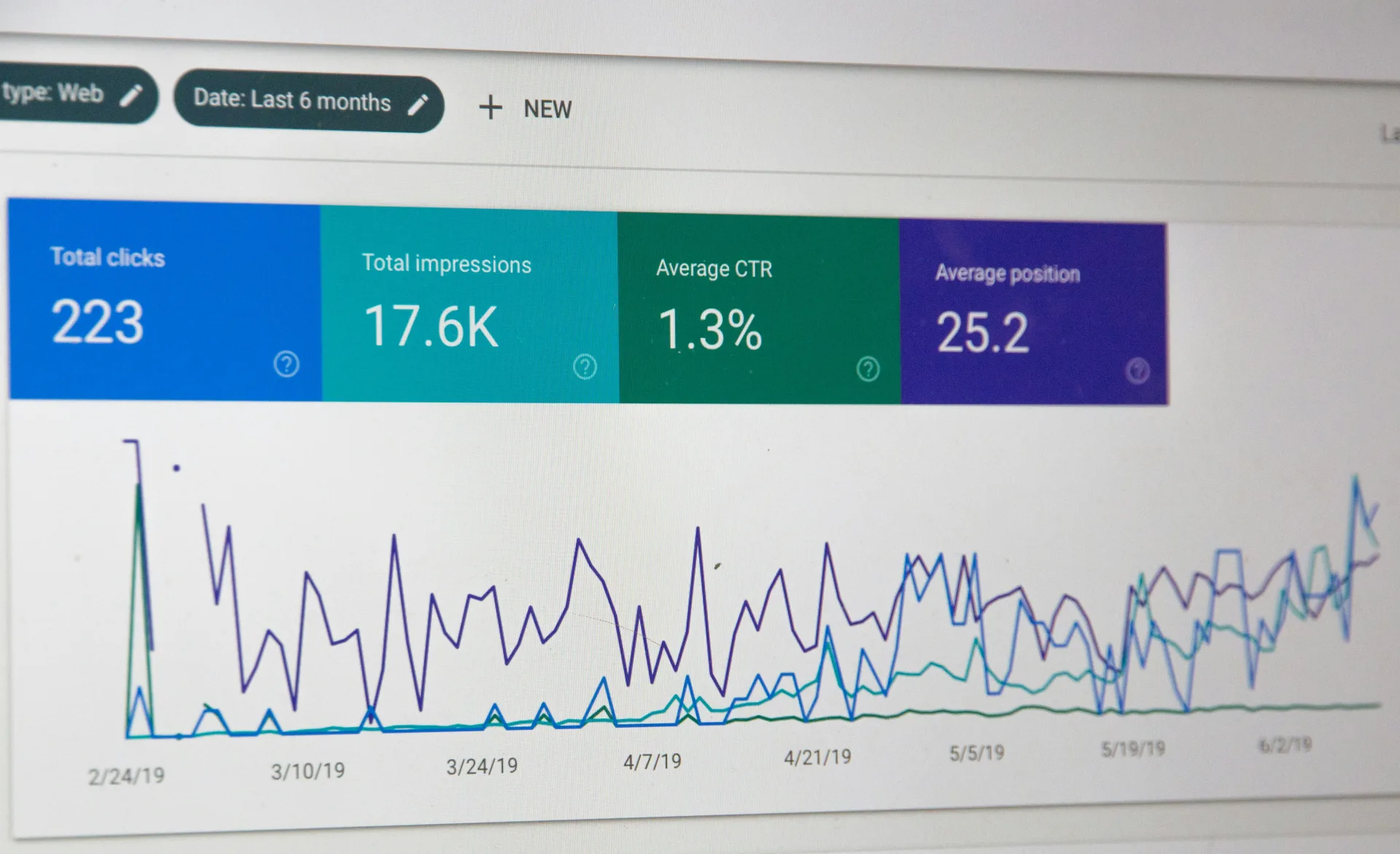
This matters because it changes the physics of a click. When Google synthesises an answer at the top of the page, the traditional blue link moves down, and users who feel their question is already answered simply don't scroll. The result is a growing gap between impressions and clicks. Your rankings can be stable while your traffic quietly erodes.
The strategic response isn't panic — it's precision. Content that merely restates facts is now competing directly with Google's own summary and losing. Content that offers judgment, proprietary data, comparison, or a clear next step gives users a reason to click through. In an AI-summarised SERP, the value of being 'complete' drops and the value of being distinctive rises sharply.
What the 'most asked questions' really tell you
Lists of the most searched questions on Google are catnip for content teams — high volumes are tempting. But volume is exactly where AI Overviews strike hardest. Queries like 'what is my IP' or 'how many days until Christmas' are precisely the informational, instantly-answerable searches Google now resolves without sending a click anywhere.
The takeaway for SEO isn't to chase the biggest numbers. It's to map each query to a realistic outcome:
- Instant-answer queries — high volume, near-zero click potential post-AI. Useful for brand visibility inside the Overview, not for traffic.
- Consideration queries — where users need context, options, or trust before acting. Still worth strong content because the answer can't be fully compressed.
- Action queries — where the user wants to do or buy something. These remain the commercial core, but they're now the same SERPs AI Overviews are moving into.
Read this way, keyword research stops being a popularity contest and becomes a click-probability model.
The paid side: expensive clicks meet AI-driven scrutiny
The most expensive keywords on Google Ads still command eye-watering costs per click — legal, medical and insurance terms routinely exceed $100. When each click is that valuable, click quality becomes a profitability issue, not a technicality. It's telling that some advertisers have restored margins by tightening targeting and cutting invalid clicks in half, even after Google claimed to have already filtered suspicious activity. Trust the platform's automation, but verify with your own numbers.
Google itself is leaning harder on pattern-level detection. Its research into spotting AI-generated video spam by clustering accounts — rather than judging single uploads — is a preview of where all its systems are heading. The signal for marketers is clear: Google increasingly evaluates behavioural patterns over isolated pieces. Coordinated, low-quality, or manipulative activity is easier to catch than ever, whether it's spam, fake engagement, or unnatural link patterns.
Don't forget the trust layer: reviews and local signals
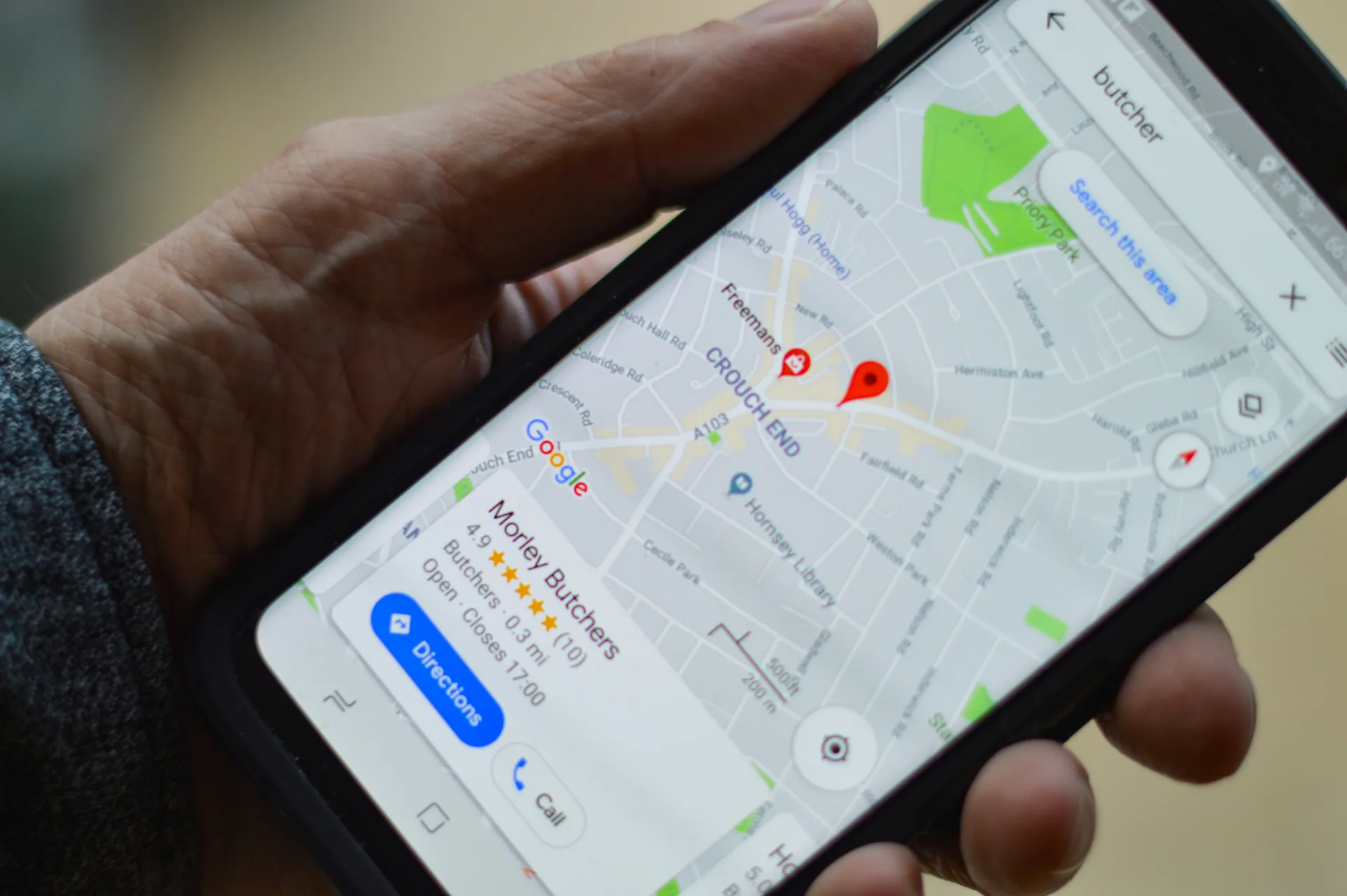
Amid the AI headlines, a quieter story deserves attention: Google confirmed it was investigating bugs that caused reviews to disappear from Business Profiles. For local businesses, reviews are conversion fuel and a ranking factor at once — a glitch can dent both overnight. The lesson is operational resilience: own a copy of your reviews, monitor your profile weekly, and never let a single platform be your only source of social proof.
How to act on all of this
The connective thread across every one of these developments is that Google is compressing more value into its own surfaces while raising the bar for what earns a click. A pragmatic SEO strategy now looks like this:
- Audit your top-ranking pages for AI Overview presence and measure real click-through, not just position.
- Rebuild thin, purely informational content into distinctive, opinionated, or data-backed assets.
- Prioritise queries with genuine action intent over vanity-volume questions.
- Treat paid click quality as a monthly financial review, especially on high-CPC terms.
- Diversify trust signals so a review outage or algorithm shift never zeroes out your credibility.
Google isn't taking traffic away arbitrarily — it's rewarding relevance and punishing redundancy at a faster pace. The numbers only look alarming if your content was already replaceable. Make it irreplaceable, and the same shifts become an advantage.
Sources
- A Google Ads targeting tactic that cut invalid clicks by 50% — Search Engine Land
- 100 Most Expensive Keywords for Google Ads (July 2026) — Ahrefs Blog
- 100 Most Asked Questions on Google (July 2026) — Ahrefs Blog
- Google is investigating reports of reviews going missing and pausing reviews on local listings — Search Engine Land
- Google research reveals pattern-level AI video spam detection — Semrush Blog
- AI Overviews are expanding across commercial intent search [Study] — Semrush Blog