Key takeaways
- AI engines increasingly use your content without citing your brand — that's a ghost citation.
- Generic listicles risk recommending competitors; a distinct point of view protects your source signal.
- Shift from publishing more to building a machine-readable knowledge layer with schema and entity data.
- Original research and named experts make your content far harder to strip of attribution.
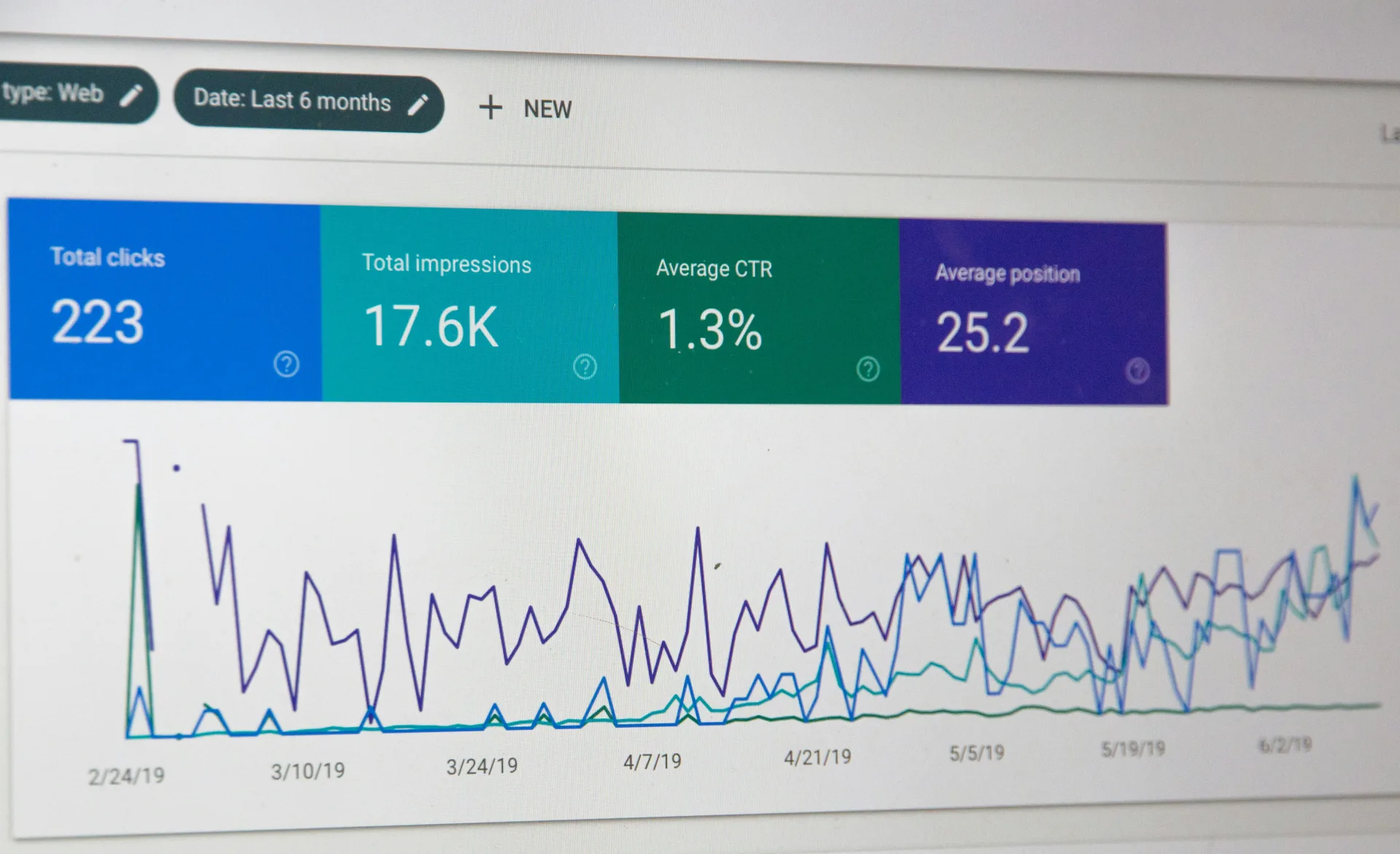
- Track citations across new surfaces — social and video now appear in Google Search Console reports.
Something strange is happening in AI search. Your content is showing up inside ChatGPT answers, Google AI Overviews and Perplexity summaries — but your brand name is nowhere in sight. The insight is yours. The credit is not. We call this the ghost citation: your knowledge gets consumed, synthesised and served to a user who never learns where it came from, and never has a reason to visit you.
This is not a bug in how large language models work. It's a direct consequence of how most brands still publish. And it's quietly reshaping the economics of organic visibility.
Why AI search cites your content but forgets you
Traditional SEO rewarded the page. A user searched, clicked a blue link, and landed on your domain — brand impression included. AI search decouples the two. The model extracts the fact or the argument from your content and reassembles it into a synthetic answer. Attribution is optional, inconsistent, and often stripped entirely.
Three structural reasons drive ghost citations:
- Your knowledge isn't machine-legible. If your expertise lives only in prose paragraphs, models absorb the idea but lose the source signal. There's nothing structured tying the claim back to your entity.
- Your brand isn't a recognised entity. If AI systems don't understand who you are — your organisation, your people, your area of authority — there's no anchor to cite.
- You published volume, not sovereignty. Endless articles saying the same thing as everyone else make you interchangeable. The model has no reason to name you specifically.
The competitor problem hiding inside your own content
Here's the uncomfortable part. When your content is structured as a generic listicle or a neutral "best tools" roundup, AI engines happily use it to recommend your competitors. You did the research, wrote the comparison, and the model rewards the players you compared yourself against. Your content becomes a distribution channel for rival brands.
The fix isn't to stop being useful — it's to stop being generic. Content that only aggregates commodity information will always be summarised away. Content that carries a distinct point of view, proprietary data, or a named expert perspective is far harder to strip of its source.
From publishing more to organising knowledge
The strategic shift is moving from more content to a machine-readable knowledge layer. Practically, that means:
- Structure your entities. Use schema markup, clear organisational data, author bios and consistent naming so AI systems can resolve "this claim" to "this brand."
- Own defensible claims. Original research, benchmarks and first-party data give models something only you can be cited for.
- Attach expertise to people. The "reverse halo effect" means individuals now carry authority that brands borrow. A recognised expert publishing under your banner makes your content stickier and more citable.
A practical workflow to close the gap
At Evocative we run this as a repeatable loop rather than a one-off audit:
- Map the gaps. Combine Search Console, analytics and a tool like Semrush with an LLM (Claude or GPT) to find where competitors get cited and you don't. Prioritise by business value, not traffic vanity.
- Test the AI answer. Query the actual engines. Ask the questions your buyers ask. Note who gets named — and reverse-engineer why.
- Rebuild for citation. Add structured data, sharpen your unique angle, and surface named experts. Turn passive prose into quotable, attributable statements.
- Track new surfaces. Google Search Console now reports social and video performance across Instagram, TikTok, X and YouTube. Your citable presence increasingly spans formats, not just your blog.
Transparency is becoming table stakes

The regulatory direction reinforces all of this. Google Ads now requires AI-disclosure labels on third-party creative, signalling that provenance and authenticity matter more, not less. Brands that can clearly demonstrate the origin and authority of their content will be trusted — by users and by the systems that curate answers for them.
Ghost citations aren't a reason to abandon content. They're a signal that the game changed while most strategies stood still. The brands that win the AI-search era won't be the ones publishing the most. They'll be the ones whose knowledge is structured, distinctive and impossible to quote without naming them.
Sources
- AI Search: Is Your Content Strategy Accidentally Recommending Your Competitors? — Search Engine Journal
- Reclaiming Brand Sovereignty In The AI Era via @sejournal, @billhunt — Search Engine Journal
- How to build an AI-powered content gap analysis workflow — Search Engine Land
- Google Search Console adds social and video reports — Semrush Blog
- Google Ads Now Requires Disclosure Labels On AI-Generated Content via @sejournal, @brookeosmundson — Search Engine Journal
- Evergreen Content Is Over – The Individual Is The Only Strategy Left via @sejournal, @theshelleywalsh — Search Engine Journal