Key takeaways
- ChatGPT drives roughly 92% of AI referral traffic, so AI visibility is largely a ChatGPT strategy for now.
- AI referral traffic is volatile week to week; judge channels like Claude by conversion quality, not raw volume.
- Falling organic traffic no longer means weak content, AI intercepts intent, so track brand searches and citations too.
- Pages that extend AI answers with data and next steps win; pages that echo them get bounced.
- As AI boosts branded searches, defend those queries against competitor Google Ads bidding.
The way people find you is being rewritten, and the numbers are stark. Analysis of 6.77 million sessions shows that ChatGPT alone commands roughly 92% of AI referral traffic, dwarfing every other assistant. At the same time, bots now generate more web traffic than humans for the first time, and traditional publishers are watching once-reliable organic streams collapse. If you still judge your digital performance the way you did in 2021, you're measuring a world that no longer exists.
At Evocative, we're seeing this shift play out across client dashboards weekly. The businesses that panic misread the signals. The ones that thrive treat AI-driven discovery as a new distribution channel to be understood, not a threat to be resisted.
What the 6.77 million sessions actually tell us about AI traffic
Three findings stand out. First, concentration: ChatGPT's 92% share means your AI visibility strategy is, for now, largely a ChatGPT strategy. Ignoring the rest would be short-sighted, but resourcing accordingly is simply realistic.
Second, volatility. AI referral traffic swings hard from week to week. A page that gets cited heavily one month can vanish the next as models update, retrain, or shift how they surface sources. This is not the relative stability of a well-earned Google ranking; it behaves more like social virality.
Third, Claude's quiet rise. Anthropic's assistant sends smaller volumes but often higher-intent visitors. Early data suggests these users convert well, which matters more than raw session counts. The lesson: judge AI channels by outcome quality, not just volume.
Why landing page fit decides who wins
The same analysis highlights that landing page relevance and internal search behaviour heavily shape whether AI referrals stick. When someone arrives from ChatGPT, they've usually already received a summarised answer. They click through for depth, proof, or a next step. If your page repeats what the AI already said, they bounce. Pages that extend the answer with data, tools, or clear commercial paths capture the value.
The publisher collapse is a warning, not a verdict
Habitual publisher traffic is falling as AI answers questions directly in the interface. But this decline is uneven. Thin, informational content that AI can fully replicate is being hollowed out. Content that carries genuine expertise, proprietary data, or a distinct point of view still earns clicks and, crucially, citations.
This reframes the whole game. Being cited by an AI model is becoming as valuable as being clicked, because citation drives brand awareness even without a session. Reddit is a case study here: it ranks second in US organic traffic and is among the most-cited domains across AI platforms, precisely because it's dense with authentic, specific, human experience that models trust. The takeaway for brands isn't to spam Reddit; it's to produce content with the same authenticity and specificity that earns trust.
Your metrics broke before your content did

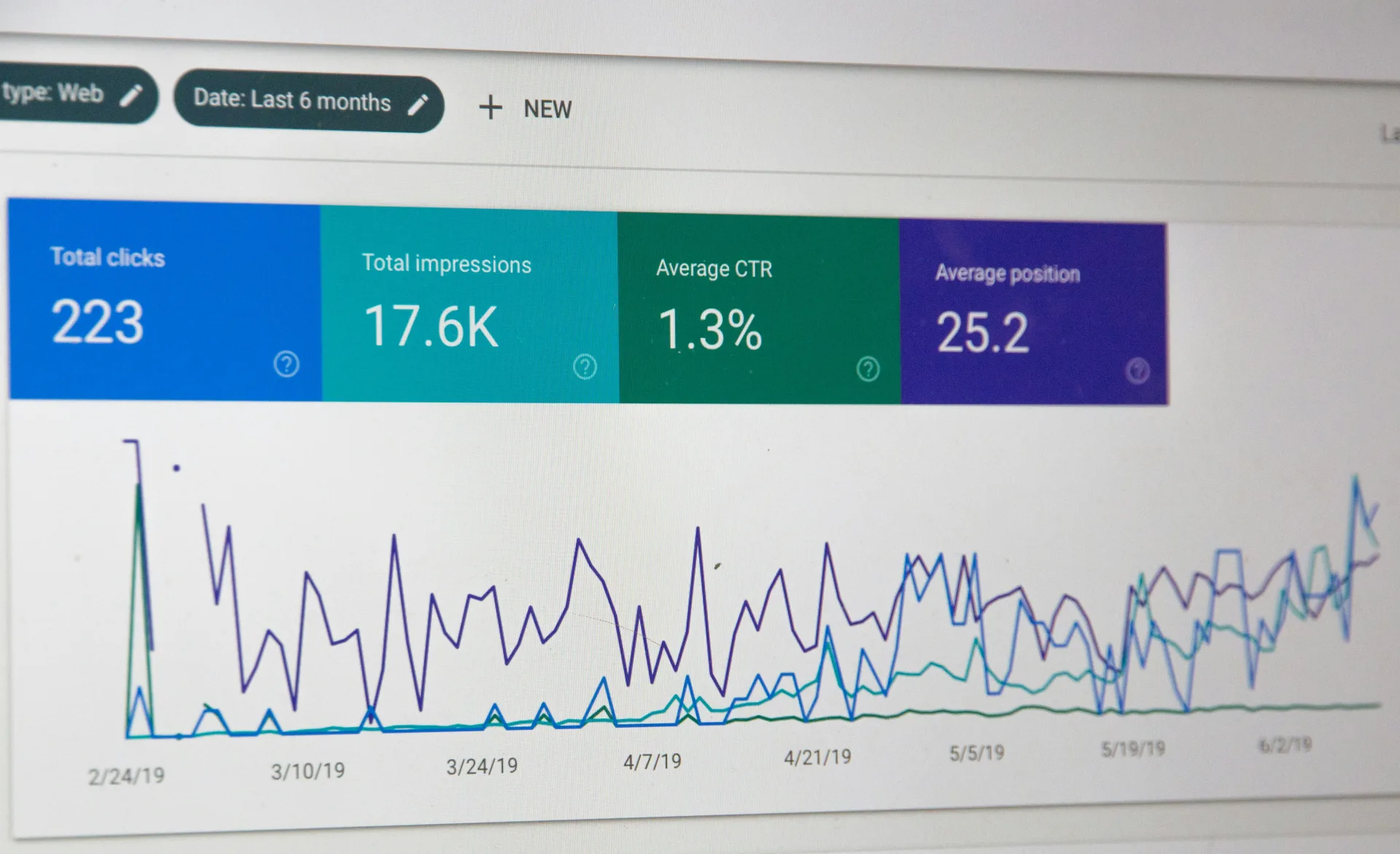
Here's the uncomfortable truth for many marketing teams: a drop in organic traffic no longer reliably signals failing content. AI search intercepts intent upstream, so influence increasingly happens where your analytics can't see it. Someone reads your insight inside ChatGPT, forms an opinion about your brand, and searches for you directly weeks later. Your attribution model records that as "direct" or "branded" traffic and gives your content none of the credit.
To measure influence in this environment, we recommend tracking:
- AI referral traffic as its own segment, monitored for trend and conversion quality rather than absolute stability.
- Brand search volume and direct traffic, which now function as downstream indicators of AI and content influence.
- Citation presence: whether and how your brand appears in AI answers for your priority topics.
- Assisted conversions and time-lagged brand queries, not just last-click sessions.
Defend the traffic you already own
While chasing AI visibility, don't neglect a classic threat: competitors bidding on your branded terms with Google Ads, using dynamic keyword insertion and comparison pages to siphon your hard-won demand. As AI drives more people to search for you by name, your branded queries become more valuable, and more contested. Protect them with brand campaigns, monitor competitor bidding, and make sure your own comparison and "alternatives" pages capture that intent first.
What to actually do next

Treat AI as a distribution layer that rewards depth and distinctiveness. Build pages that extend rather than echo AI answers. Redefine your reporting around influence and brand demand, not just organic sessions. And keep the fundamentals tight: authentic expertise, defended brand terms, and content worth citing. The channels are changing faster than ever, but the underlying advantage, being genuinely worth referencing, has never mattered more.
Sources
- Bot traffic now exceeds traffic from human users — Semrush Blog
- How to Use Reddit for SEO (The Right Way) — Ahrefs Blog
- Habitual Publisher Traffic Is Collapsing — Search Engine Journal
- How competitors target your branded traffic with Google Ads — Search Engine Land
- AI Content Didn’t Stop Working, Your Metrics Did via @sejournal, @MattGSouthern — Search Engine Journal
- ChatGPT commands 92% of AI referral traffic. Here’s what 6.77 million sessions reveal. — Search Engine Land