Key takeaways
- AI makes the easy part of design free, so judgement becomes your most valuable skill.
- Treat any pre-built or AI-generated solution as a hypothesis to validate, not a conclusion to accept.
- Usability testing with real users is the antidote to shallow 'design by numbers'.
- Ethics is now an interface decision: make AI costs, actions and controls transparent by design.
- Grow by moving from maker to judge — own usability evidence, system intent, and user trust.
The hardest part of modern design is no longer producing a solution. AI will hand you a passable interface, a component variant, or a cost-control pattern before you've finished reading the brief. The real work has shifted: it's deciding whether that solution deserves to ship, what it does to the user, and what it does to the business. That's the gap between a competent designer and a senior one — and in the AI era, that gap is where all the value lives.
The "fastest idea in the room" problem
When a plausible design arrives pre-built, teams feel an almost gravitational pull to accept it. It's fast, it looks finished, and arguing against it feels like slowing everyone down. But speed is not the same as correctness. A generated layout optimises for looking like every other layout it was trained on — not for your users, your constraints, or your conversion goals.
Senior designers treat the pre-built solution as a hypothesis, not a conclusion. The question stops being "can we improve this?" and becomes "is this even the right problem to solve, and for whom?" That reframing is the single most valuable skill a design team can protect right now.
Usability testing is the antidote to design by numbers
There's a legitimate worry that AI is turning UX into design by numbers — endless variants, A/B tests, and dashboards that reward whatever nudges a metric this quarter. Pour AI into a team that already chases numbers blindly, and you simply get more noise, faster.
The counterweight is qualitative evidence. Five real users struggling with a flow will tell you more than a thousand synthetic sessions. Usability testing re-grounds the team in what people actually understand, trust, and complete. Our rule at Evocative is simple: AI can generate the options, but a human watching a real person use the product decides which option is true.
- Generate wide, validate narrow: use AI to expand the solution space, then test the shortlist with real users.
- Test comprehension, not just completion: people finishing a task while confused is a silent failure.
- Watch for AI-shaped sameness: if everything feels generic, that's a usability risk, not a style preference.
Ethics is now an interface decision, not a policy document
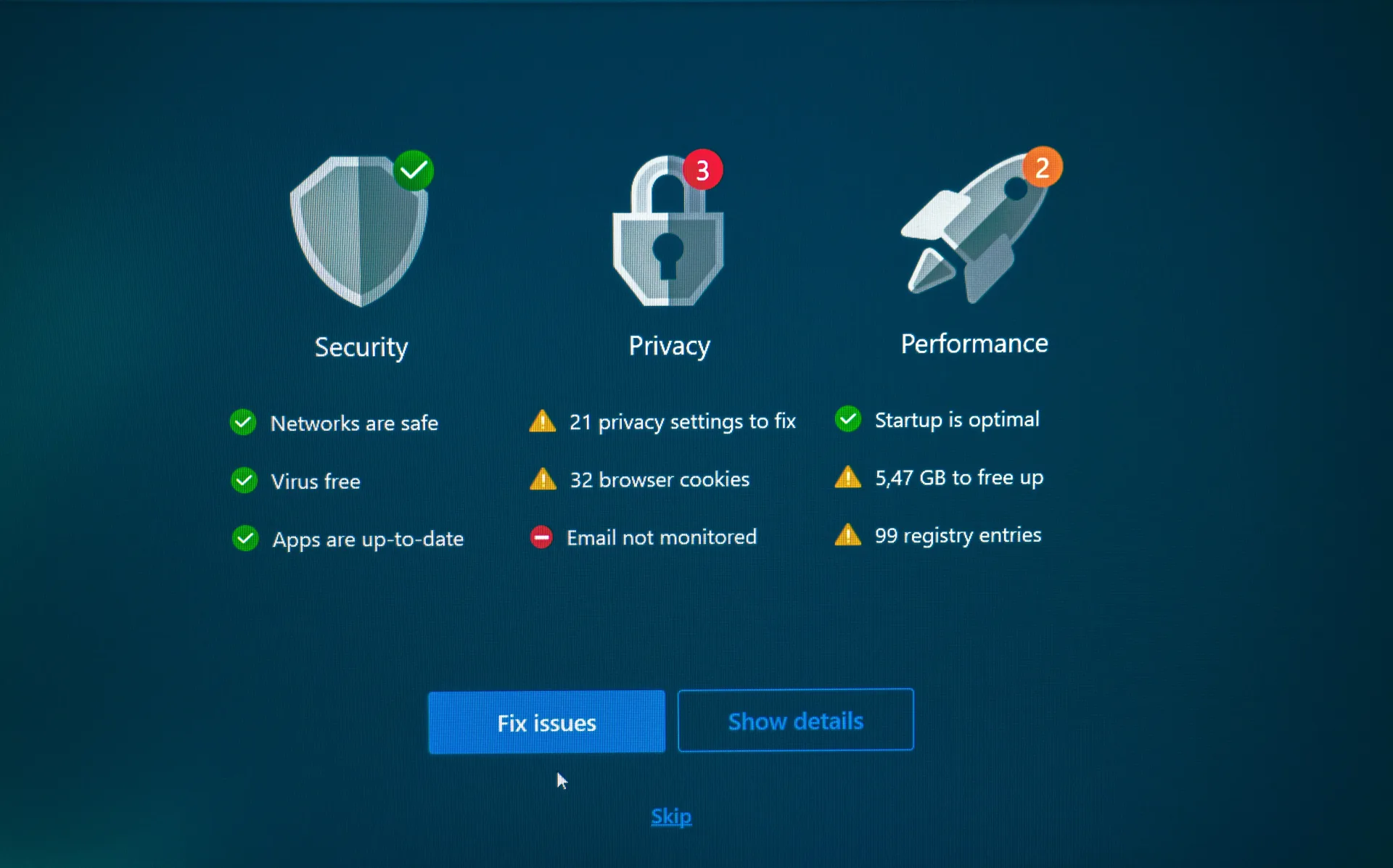
As AI features move into products, design carries moral weight it can't delegate. Transparent AI cost controls, honest defaults, and clear autonomy for the user are no longer nice-to-haves — they're the difference between a product people trust and one they abandon.
Virtue ethics is a useful lens here: instead of asking "is this legally allowed?", ask "what kind of relationship does this interface build?" A "sparkle" button that quietly triggers a paid AI action, a cost meter buried three screens deep, a default that assumes consent — each is a small design choice that compounds into how users feel about your brand. Autonomy by design means the user always knows what's happening, what it costs, and how to stop it.
What AI changed in design systems — and what didn't
Design systems are where AI's practical impact is clearest. Tools that connect models directly to Figma can now generate components, document variants, and keep tokens consistent at a speed no manual team can match. That genuinely removes drudgery.
But two things remain stubbornly human. First, intent: deciding why a component exists, what it promises, and where it must never be used. Second, coherence: ensuring the system expresses one brand voice rather than a bag of locally optimal parts. AI maintains the system; humans give it meaning.
How we think about growth at Evocative
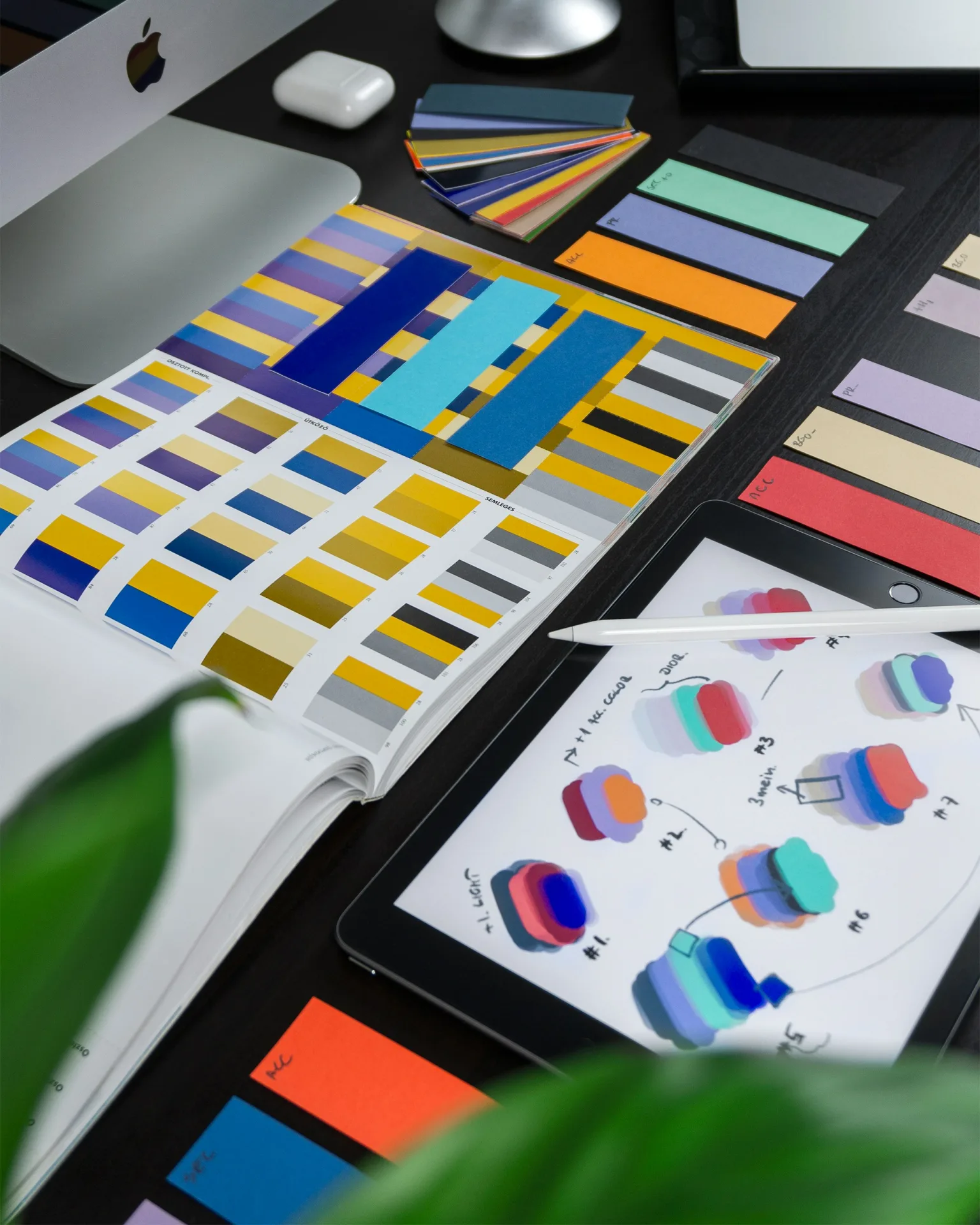
For teams and individual designers wondering where their career goes from here, the answer isn't "compete with the machine on output." It's to move up the value chain:
- From maker to judge: your edge is deciding what's worth building and what's quietly harmful.
- From pixels to proof: own usability evidence so decisions are grounded in reality, not vibes.
- From screens to systems: steward the intent behind design systems that AI executes.
- From features to trust: make ethics, transparency and user autonomy visible in the interface.
AI didn't make design easier. It made the easy part free and the hard part more valuable than ever. The studios and designers who thrive will be the ones who use that free speed to spend more time on judgement, testing and trust — the work a model still can't do for you.
Sources
- How to design transparent AI cost controls — UX Collective
- Virtue ethics in everyday interface design — UX Collective
- Sparkle buttons, Autonomy by design, AI reckoning in UX, Figma with MCP — UX Collective
- What do you do when a design solution is already pre-built? — UX Collective
- What AI has changed in Design Systems, and what is still up to us — UX Collective
- Design by numbers: is AI ruining UX or just pouring gasoline on the fire? — UX Collective