Key takeaways
- Trust is decided in the first three seconds — visual coherence, reviews and transparent pricing earn it.
- Speed is revenue: under two seconds, or you're taxing every visitor's attention.
- Remove friction relentlessly — guest checkout, autofill, local payment methods, one-screen checkout.
- Optimise for micro-decisions like add-to-cart and checkout completion, not just traffic.
- Conversion is a system, not a trick — trust, speed, friction and intelligence must reinforce each other.
The uncomfortable truth about conversion
Most online stores don't stall because of bad products or thin traffic. They stall because they quietly ask the customer to do too much work. Every hesitation, every unanswered question, every half-second of loading delay is a small tax on intent — and enough of those taxes bankrupt a sale before checkout ever loads.
After years building and optimising storefronts across fashion, hospitality and D2C, we've noticed the winners rarely share a design style or a budget. What they share is an obsession with removing reasons to leave.
Trust is decided in the first three seconds
Before a visitor reads your copy, they've already formed a verdict on whether your store feels legitimate. This judgement is emotional and fast. Stores that convert earn that trust deliberately:
- Visual coherence — consistent typography, spacing and imagery signal a real brand, not a drop-ship gamble.
- Social proof placed where doubt lives — reviews next to the price, not buried on a separate tab.
- Transparent costs — shipping, taxes and delivery windows shown early. Surprise fees at checkout are the single most reliable way to lose a buyer.
Speed is a feature, not a technicality

We routinely see conversion lift the moment load times drop below two seconds. Performance isn't an engineering vanity metric — it's a direct driver of revenue. Mobile visitors in particular abandon fast, and the majority of e-commerce traffic is now mobile.
The stores that stall often carry invisible weight: oversized images, bloated third-party scripts, and page builders that generate ten times the code they need. The stores that convert treat every kilobyte as a cost against attention.
Friction: the silent killer
Friction is anything that makes the customer stop and think. It's a forced account creation before checkout. It's a coupon field that reminds people to go hunting for a code they don't have. It's a five-step form when two would do.
The single highest-leverage change we make on most projects is simplifying the path from product to payment:
- Guest checkout by default.
- Address autofill and clear field labels.
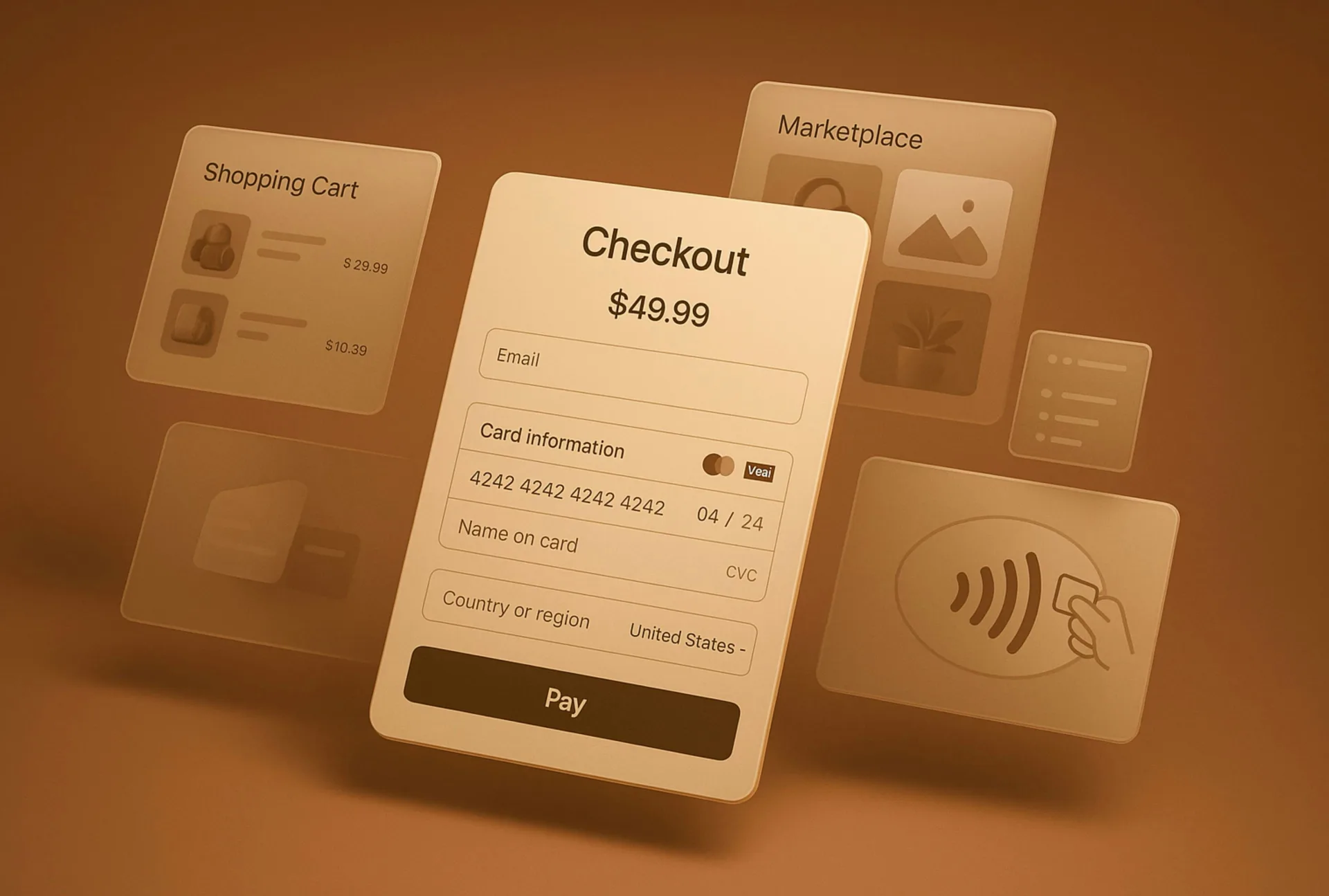
- Multiple payment methods, including the local favourites — because a missing payment option is a lost sale, not an inconvenience.
- A checkout that fits on one screen and never makes the user scroll to find the button.
The role of intelligence and automation

The next layer separating leaders from laggards is how well a store adapts to the individual. Personalised recommendations, intelligent search that tolerates typos, and automated email flows that recover abandoned carts all compound over time. None of this requires a giant team anymore — modern AI tooling makes sophisticated personalisation accessible to mid-sized brands. What matters is deploying it with judgement, not sprinkling it everywhere.
Measure the right things
Stores that stall often optimise for traffic. Stores that convert optimise for micro-decisions: add-to-cart rate, checkout completion, return visitor value. When you watch session recordings and read where people rage-click, the problems announce themselves. Conversion optimisation is less about clever ideas and more about disciplined listening.
It's a system, not a trick
There is no single lever. Trust, speed, friction and intelligence reinforce each other — or undermine each other. A fast store that feels untrustworthy still fails. A beautiful store that's slow still fails. The brands that win treat their storefront as a living system, tuned continuously against real behaviour rather than assumptions.
If you're wondering why your traffic isn't turning into revenue, we'd be glad to look under the hood with you and talk through what your store could become. Let's start a conversation.