Key takeaways
- AI search infers shopper intent and assembles answers — keyword-only product pages become invisible.
- Intent clusters group products by goal, constraint or comparison instead of internal categories.
- Enriched structured data (use case, compatibility, trade-offs) beats catalogue volume for AI discovery.
- Connect service, search and review data into a flywheel so each loop sharpens the next answer.
- Clean intent-based data is the entry ticket to being chosen by autonomous shopping agents.
For fifteen years, product discovery meant one thing: getting a keyword onto a page and hoping a crawler agreed. That model is quietly dissolving. AI search engines and shopping agents no longer scan for exact matches; they infer what a shopper actually wants and assemble an answer. If your product data isn't organised around intent, it becomes invisible to the very systems now mediating purchase decisions.
At Evocative, we've watched this shift move from theory to revenue. The catalogues that win in AI-driven discovery aren't the ones with the most SKUs or the cleanest photos. They're the ones structured into intent clusters — coherent groupings that mirror how people (and their AI assistants) actually think about buying.
Why keyword pages fail in AI search
A traditional product page answers one query. An AI assistant fielding "a durable rain jacket for cycling commutes under €150" is doing something entirely different: it weighs use case, constraint, budget and durability signals simultaneously, then returns a shortlist. If your product content only says "men's waterproof jacket," you've given the machine nothing to reason with.
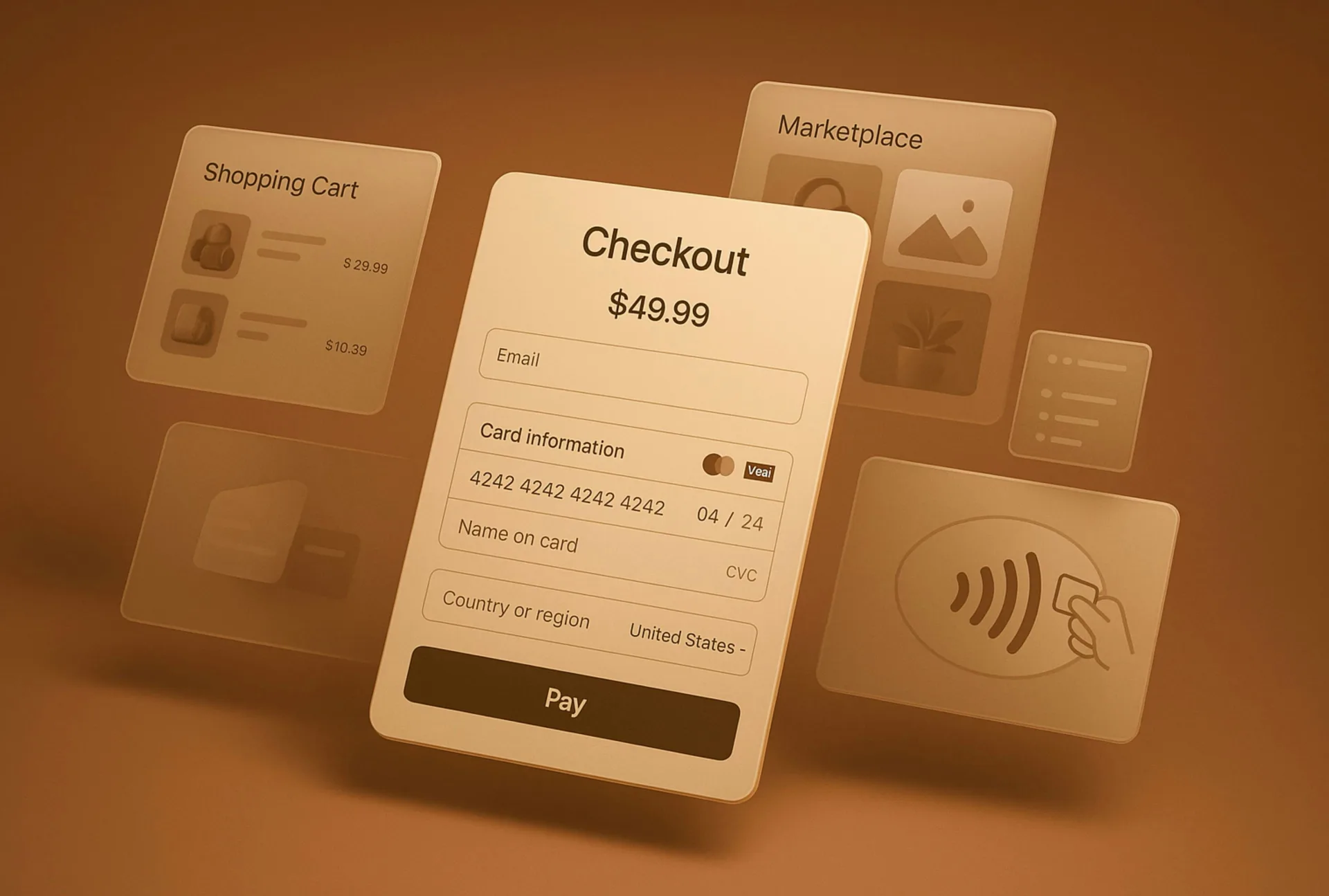
The underlying change is that discovery has become conversational and agentic. New tooling arriving across the ecosystem — from generative engine optimisation (GEO) services to one-click and agentic checkout — assumes machines will do the finding and, increasingly, the buying. Hostinger's Quick Links, which turn a single product photo into a checkout tool, hints at where this goes: the storefront fragments, and the product itself becomes the discoverable unit, portable across contexts. Your data has to carry its own meaning.
What an intent cluster actually is

An intent cluster groups products, content and attributes around a shopper's goal rather than around your internal category tree. Think in outcomes, not aisles.
- Situational intent: "gifts for a new-parent friend," "first apartment essentials" — bundles that cross categories.
- Constraint-driven intent: budget ceilings, size, sustainability, delivery speed.
- Comparative intent: "quiet vs. powerful," "beginner vs. pro" — the trade-offs shoppers weigh.
- Replacement and reorder intent: consumables, upgrades, compatibility.
Each cluster is a small semantic map. When an AI engine parses a query, rich cluster metadata lets it match your product to the shopper's real goal — and cite it in an answer.
How to build intent clusters into your catalogue

1. Mine the questions, not the queries
Pull from support tickets, on-site search logs, reviews and returns data. The friction in those channels reveals the intents your product taxonomy ignores. A recurring "does this fit a standard door frame?" is an intent cluster waiting to be built.
2. Enrich structured data deliberately
Move beyond price and title. Add use case, material behaviour, compatibility, ideal buyer and honest trade-offs to your product schema. AI models reward specificity and consistency far more than volume. This is the single highest-leverage investment most merchants overlook.
3. Connect the flywheel
The real advantage compounds when systems feed each other. Customer-service transcripts sharpen product descriptions; site-search behaviour informs merchandising; reviews populate intent signals. Each loop makes the next answer better — an AI flywheel where enriched product content improves discovery, which improves conversion, which generates more behavioural data. Isolated tools don't create this; connected data does.
4. Write for the machine and the human
Content inside a cluster should answer the implied question directly and early. Lead with the outcome the shopper wants, then support it. This serves both the AI engine extracting an answer and the human who lands on the page afterwards.
The business case, plainly
Merchants who cluster by intent see two things: higher qualified traffic from AI answer surfaces, and lower return rates because products reach shoppers whose actual need matches. As agentic checkout matures, the store that structures product data cleanly becomes the store the agent can transact with. The rest get filtered out before a human ever sees them.
This isn't a seasonal tactic. It's the new substrate of e-commerce discovery. The catalogues being restructured today are the ones AI assistants will recommend by default tomorrow — and the window to do the work ahead of competitors is open right now.
Sources
- Build an AI Flywheel for Ecommerce — Practical Ecommerce
- New Ecommerce Tools: July 1, 2026 — Practical Ecommerce
- Hostinger Reframes Site-Free Ecommerce — Practical Ecommerce
- New Ecommerce Tools: July 7, 2026 — Practical Ecommerce
- Intent Clusters Guide AI Product Discovery — Practical Ecommerce