Key takeaways
- Commerce in 2026 is spread across storefronts, marketplaces, apps and AI channels — one platform can't serve them all natively.
- Hybrid headless combines API-first flexibility with marketer autonomy, avoiding the developer bottleneck of pure headless.
- Castorama selling own-brand SKUs on Amazon shows why one catalogue must flow to any channel from a single source of truth.
- Clean, structured product data is now a distribution asset for both marketplaces and AI shopping assistants.
- Go headless by decoupling the biggest growth blocker first, not by replatforming everything at once.
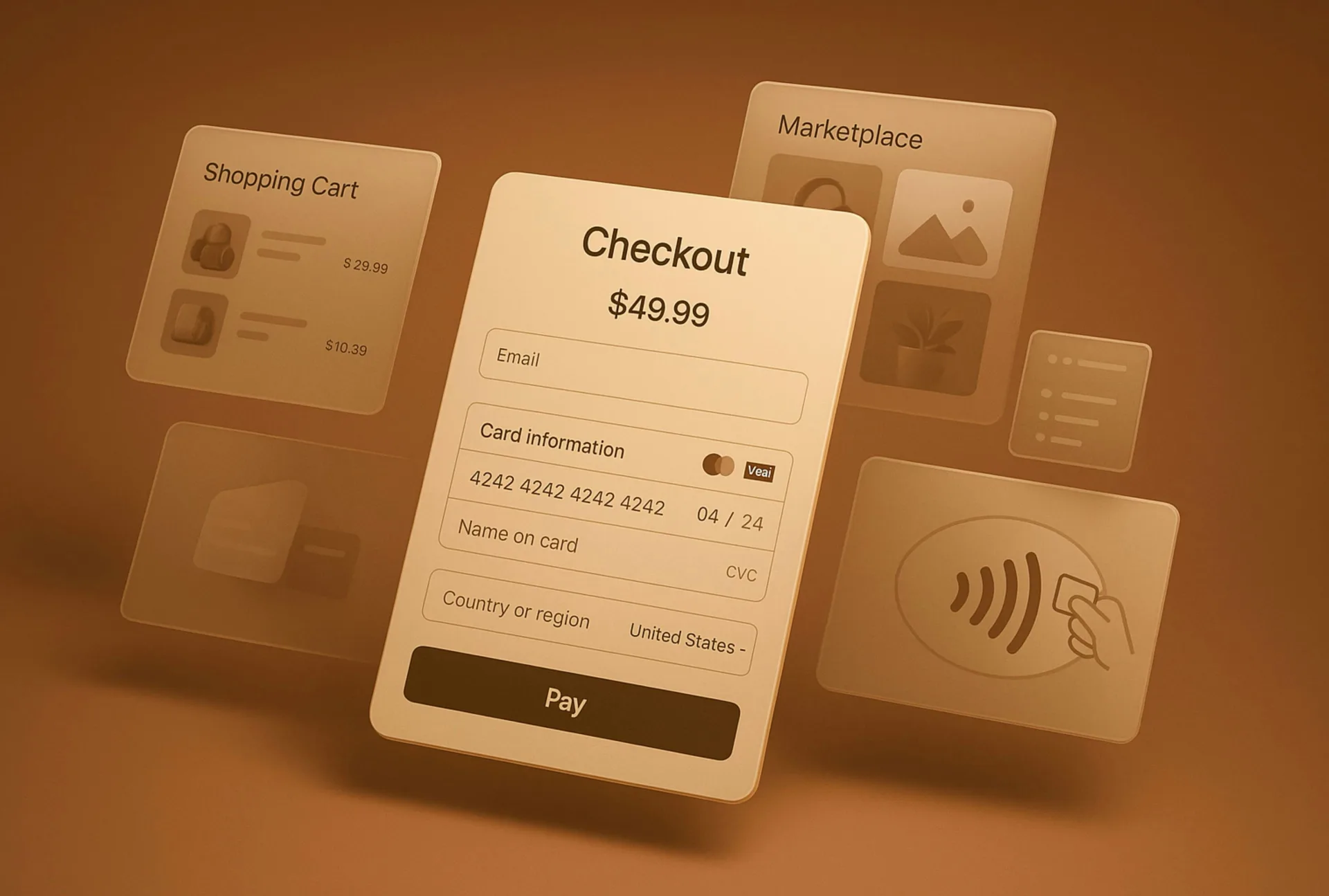
Commerce in 2026 no longer lives in one place. A single brand now sells through its own storefront, Amazon, social feeds, in-app checkouts and increasingly AI assistants that recommend products before a customer ever lands on a page. When your commerce is spread across that many surfaces, a monolithic platform that couples your content to a single frontend starts working against you. This is why the conversation has shifted decisively toward hybrid headless CMS architectures.
The market context makes the case on its own. French e-commerce is approaching €200 billion, with the Fevad describing a market that is more frequent, more mobile, more concentrated and more international, and heavily shaped by AI, marketplaces and fractional payment. Prime Day 2026 pushed US online sales to $26.4 billion, up 9.3%, but with consumers arbitraging harder than ever. Growth is real — it's just no longer captured by one channel or one funnel.
Why monolithic commerce is hitting its ceiling
Traditional platforms bundle the database, business logic and presentation layer together. That was efficient when a website was the destination. It becomes a liability the moment you need to publish the same catalogue to your PWA, a marketplace listing, a mobile app and a voice or AI interface simultaneously.
Look at the DIY sector. French GSB retailers dropped 1.4% to €21.8 billion while their e-commerce jumped. Castorama's response was telling: rather than pour everything into its own site, it opened an official Amazon.fr store with over 1,000 own-brand references. That is a channel-diversification play — and it only scales cleanly if your product data, pricing and content can flow to any destination from one source of truth. A headless backend makes that a configuration task instead of a rebuild.
What "hybrid" actually solves

Pure headless gives you total frontend freedom but pushes a heavy engineering burden onto teams that just want to edit a landing page. Hybrid headless is the pragmatic middle: an API-first commerce and content core, plus visual editing and preview tools so marketers stay autonomous. In practice that means:
- One catalogue, many endpoints — publish to web, app, marketplace and AI channels from a single API.
- Composable services — swap search, payments (including fractional/BNPL), reviews or recommerce modules without replatforming.
- Marketer autonomy — visual page building and previews without a developer ticket for every change.
- AI-readiness — structured, well-tagged product data that assistants and recommendation engines can actually consume.
The AI and marketplace pressure
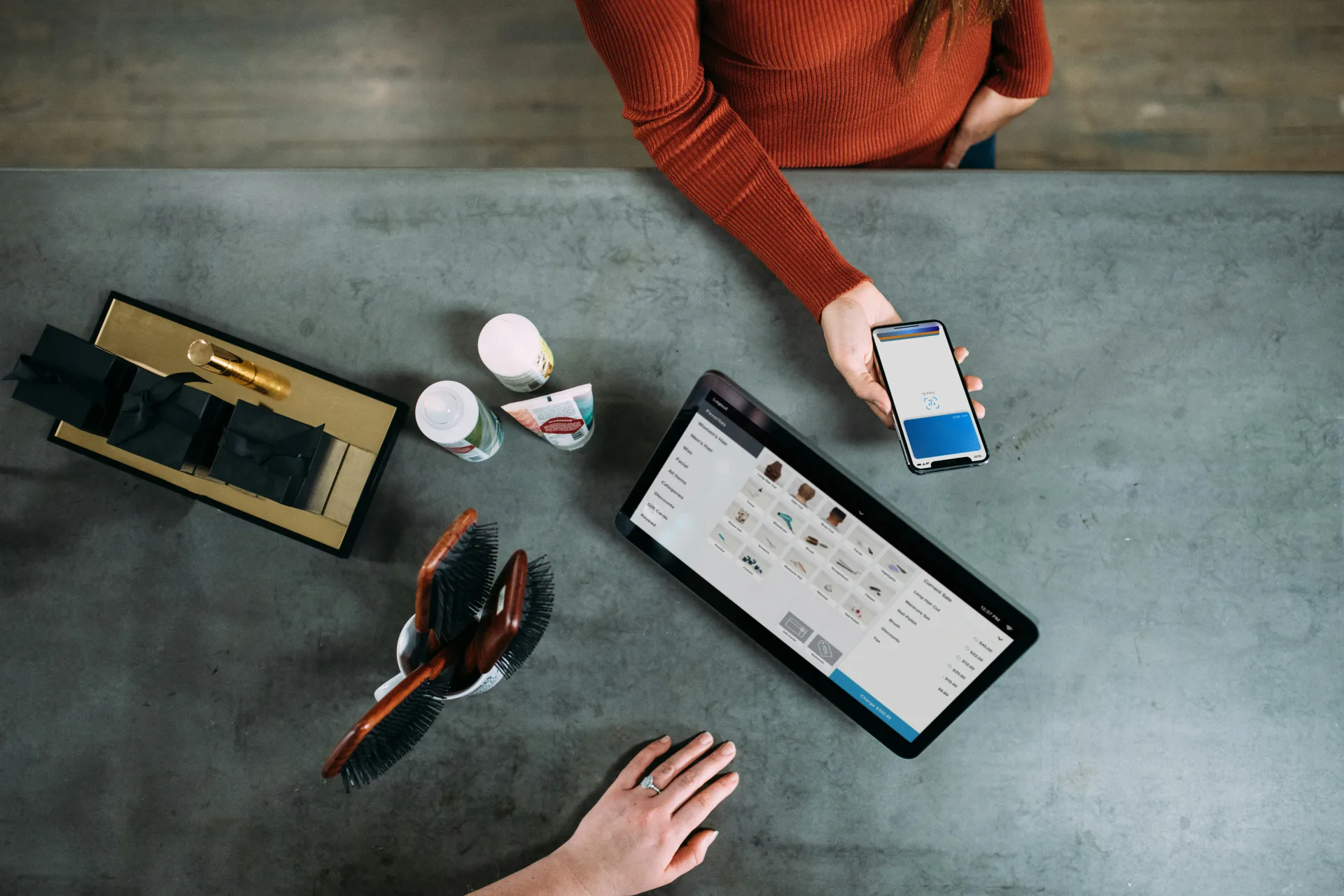
The Fevad's 2026 read is clear: AI and marketplaces are now structural forces, not experiments. Both reward the same thing — clean, structured, portable data. AI shopping assistants surface products based on machine-readable attributes; marketplaces demand feeds in their own schema. A headless core turns your commerce data into a distribution asset you can reshape per channel, rather than a locked format trapped inside a theme.
The same logic applies downstream. The tooling ecosystem keeps fragmenting into specialised services — product video, recommerce, local commerce, cart recovery — and consolidation is accelerating even in logistics, where Colis Privé's move to acquire Paack signals a race to control the last mile. A composable architecture lets you plug and unplug these capabilities as the landscape shifts, instead of betting your entire stack on one vendor's roadmap.
How to approach the shift without over-engineering
Going headless is a business decision before it is a technical one. We advise clients to sequence it:
- Start with the pain — decouple the layer that's actually blocking growth (usually the frontend or the feed pipeline), not everything at once.
- Protect editorial velocity — if marketers lose speed, the migration fails regardless of technical elegance.
- Treat product data as a product — invest in structure and governance; it is what feeds every channel and every AI surface.
- Measure per channel — with commerce spread across surfaces, blended metrics hide where margin actually comes from.
The brands winning in this market aren't the ones with the flashiest storefront. They're the ones whose commerce infrastructure lets them show up, correctly and profitably, wherever the customer — or the algorithm — happens to be. In 2026, that flexibility is the whole game, and hybrid headless is currently the most sensible way to buy it.
Sources
- Chiffres e-commerce France 2026 : la Fevad dresse le bilan d’un marché à 196,4 milliards d’euros — Ecommerce Nation
- Bilan Prime Day 2026 : les ventes en ligne atteignent 26,4 milliards de dollars aux États-Unis — Ecommerce Nation
- Colis Privé rachète Paack pour s’imposer sur le dernier kilomètre européen — Ecommerce Nation
- Marché du Bricolage en France 2025 : les GSB résistent, le e-commerce bondit — Ecommerce Nation
- Castorama ouvre sa boutique sur Amazon pour relancer ses ventes e-commerce — Ecommerce Nation
- New Ecommerce Tools: July 15, 2026 — Practical Ecommerce