Shoppers leave slow sites. Every extra second of load time costs conversions, and the all-in-one platforms that powered the last decade often can't go fast enough. The answer the leaders chose is “headless” — and it's now within reach for ambitious SMEs.
Headless, in one sentence
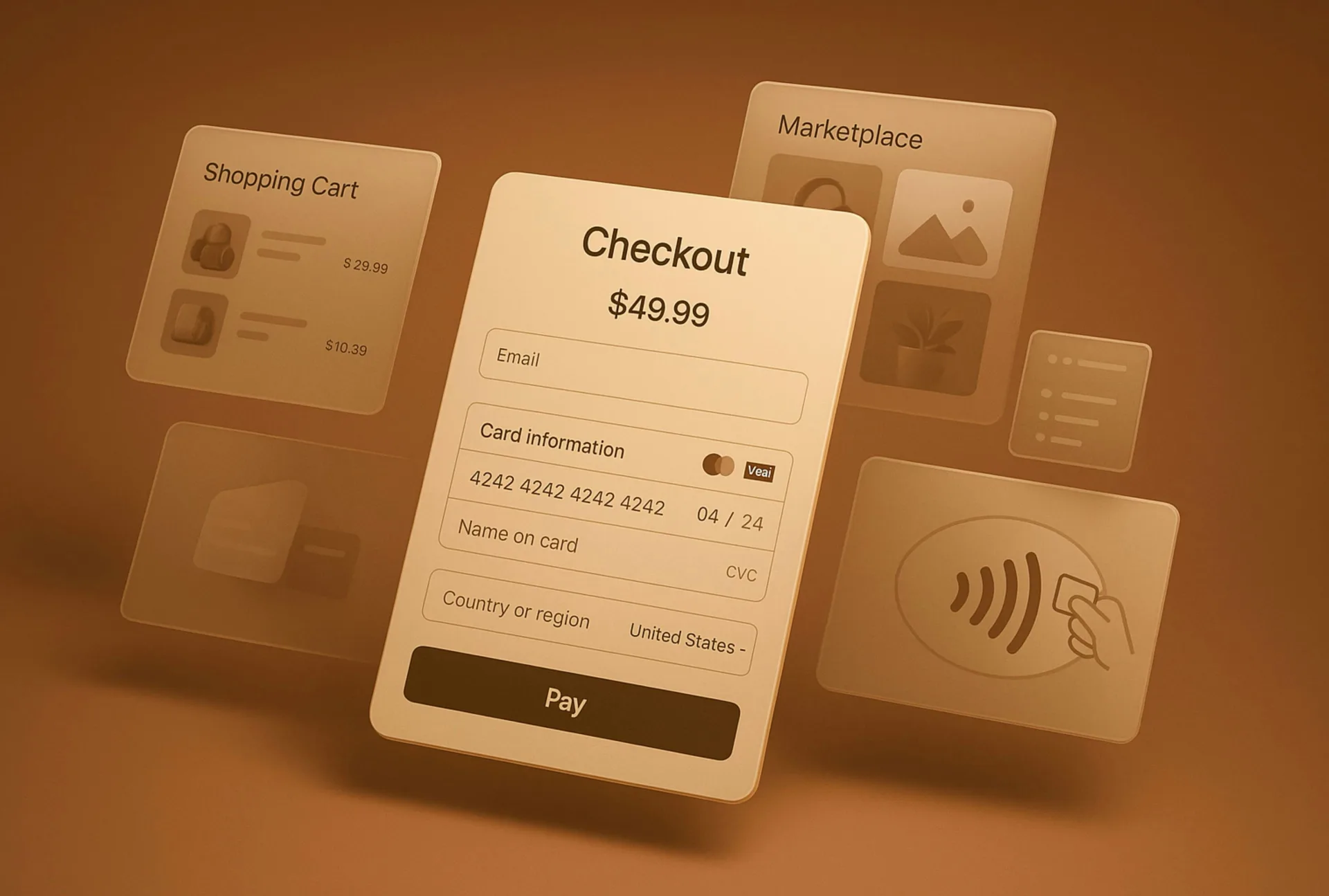
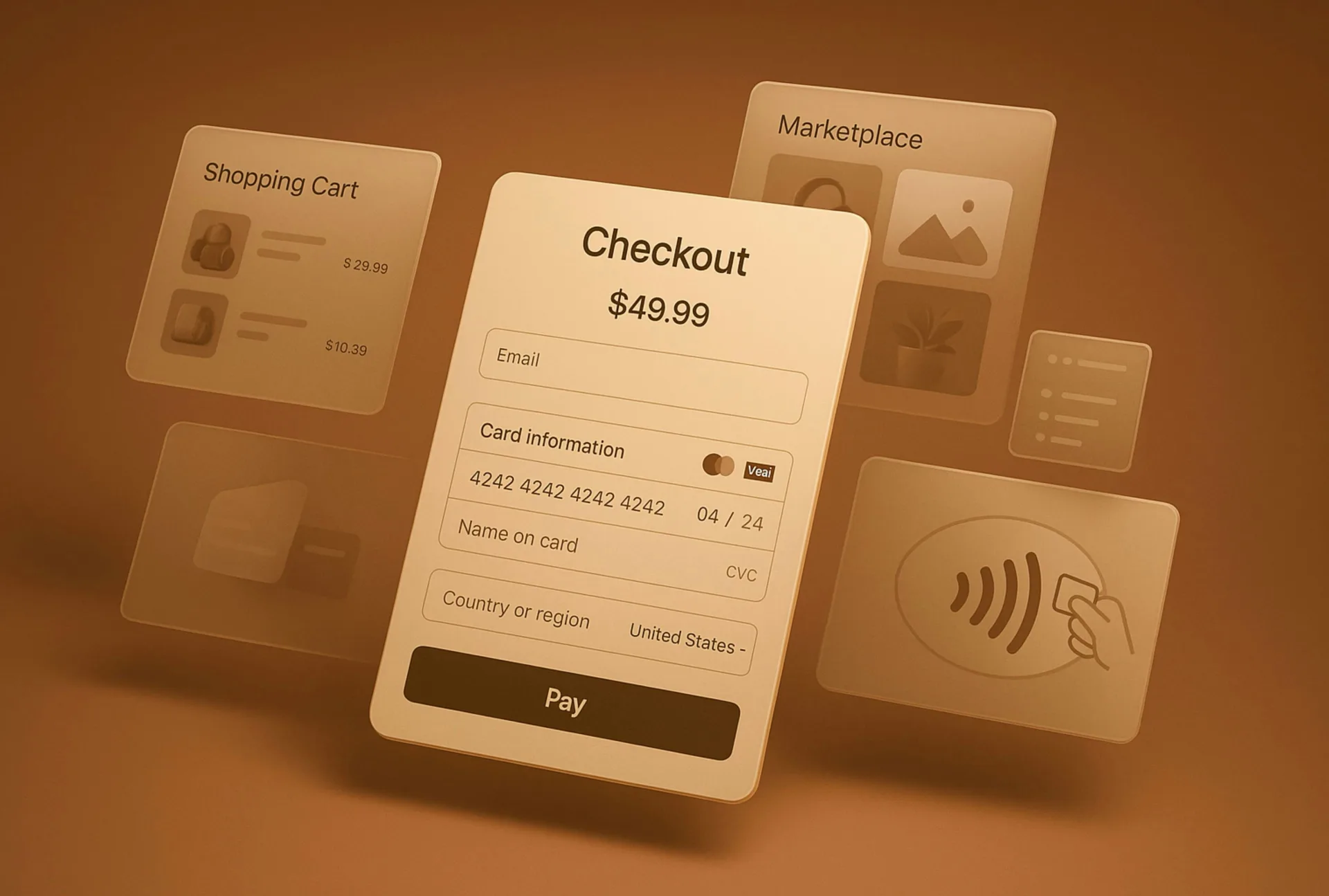
You separate the storefront (what customers see) from the commerce engine (catalogue, cart, checkout). The two talk through an API. That decoupling is what unlocks speed and freedom.
Why it wins
- Speed — a lightweight, modern front-end loads in a blink and lifts conversion.
- Flexibility — design exactly the experience you want, no theme limits.
- Omnichannel — the same engine powers web, app, marketplace and in-store.
- Composable — pick the best tool for search, payments and content, and swap any of them.
The honest caveat
Headless adds moving parts. It rewards stores with real traffic, specific needs or multi-channel ambitions; for a simple shop, a good all-in-one platform is still the smart, cheaper choice. Don't go headless to follow a trend — go headless to solve a constraint.
Our advice
If page speed, custom UX or a second sales channel is holding you back, headless is likely your next step. Start by decoupling the front-end, measure the conversion lift, and compose the rest from there.