Key takeaways
- AI Overviews and falling CTR mean content must be built to be cited, not just to rank.
- Google's updated helpful content guidance rewards strong main content and fact-checked, AI-assisted work.
- Prioritise content by business value and citation likelihood, not raw search volume.
- Use AI to assist research and drafting, but keep humans in charge of accuracy and editorial judgement.
- Measure visibility inside AI answers and assisted conversions, not just organic clicks.
The old SEO playbook assumed a predictable path: rank a page, earn the click, measure the traffic. That path is fracturing. AI Overviews now answer questions before a user ever reaches your site, desktop click-through rates slipped through the last quarter, and search engines increasingly reward content they can cite rather than content that merely matches a keyword. As an SEO agency in Brussels working with e-commerce and B2B clients across Europe, we've had to rebuild our content roadmap from the ground up. Here's the process we now use.
Why the roadmap had to change
Three shifts forced the rethink. First, Google's helpful content guidance quietly moved to emphasise the quality of a page's main content — the substance a visitor actually came for, not the padding around it. That's a direct signal about what ranking systems are being trained to reward. Second, Google now explicitly wants AI-assisted content to be fact-checked, closing the door on the lazy, generate-and-publish approach. Third, programmatic SEO at scale only works when each page carries genuine, verifiable value — thin templated pages are a liability, not a shortcut.
Put together, these point to one conclusion: the winning content is accurate, well-structured, and easy for an AI system to quote with confidence. Your roadmap has to be built for that reality.
Step 1: Map the gaps, including the AI-answer gap
We still start with keyword and topic gap analysis — what your competitors rank for that you don't. But we add a new layer: which of those queries already trigger an AI Overview, and who gets cited inside it. If an AI summary owns the top of the page, a traditional blue-link strategy for that term is a weak bet. We prioritise queries where a well-sourced, authoritative page can either earn the citation or capture the residual clicks the summary doesn't satisfy.
What "citation-ready" actually means
- Clear claims backed by sources an AI model can verify.
- Structured answers — concise definitions, comparisons and lists that map to how questions are asked.
- Topical depth so your domain reads as a genuine authority, not a one-off page.
Step 2: Prioritise by business value, not just volume
Search volume is a vanity metric when a third of it never leaves the results page. We score each opportunity on commercial intent, likelihood of being cited, and effort to produce something genuinely better than what exists. That triage produces a roadmap that's shorter, sharper and tied to revenue — not a 200-item wishlist nobody ships.
Step 3: Use AI to assist, not to author
The most sustainable approach we've seen splits the work intelligently. Deterministic tools handle the factual, repeatable checks — technical audits, structured-data validation, coverage gaps. AI models help explain findings, draft outlines and accelerate research. But a human makes the editorial judgement: is this accurate, is it genuinely useful, does it reflect real expertise? That division protects you against the exact failure modes Google is now penalising — hallucinated facts and generic filler.
This matters doubly for programmatic SEO. Generating thousands of pages is trivial; generating thousands of pages worth citing is not. We gate every template behind a value test: if a page wouldn't earn a citation on its own merits, it doesn't ship.
Step 4: Build measurement for a post-click world
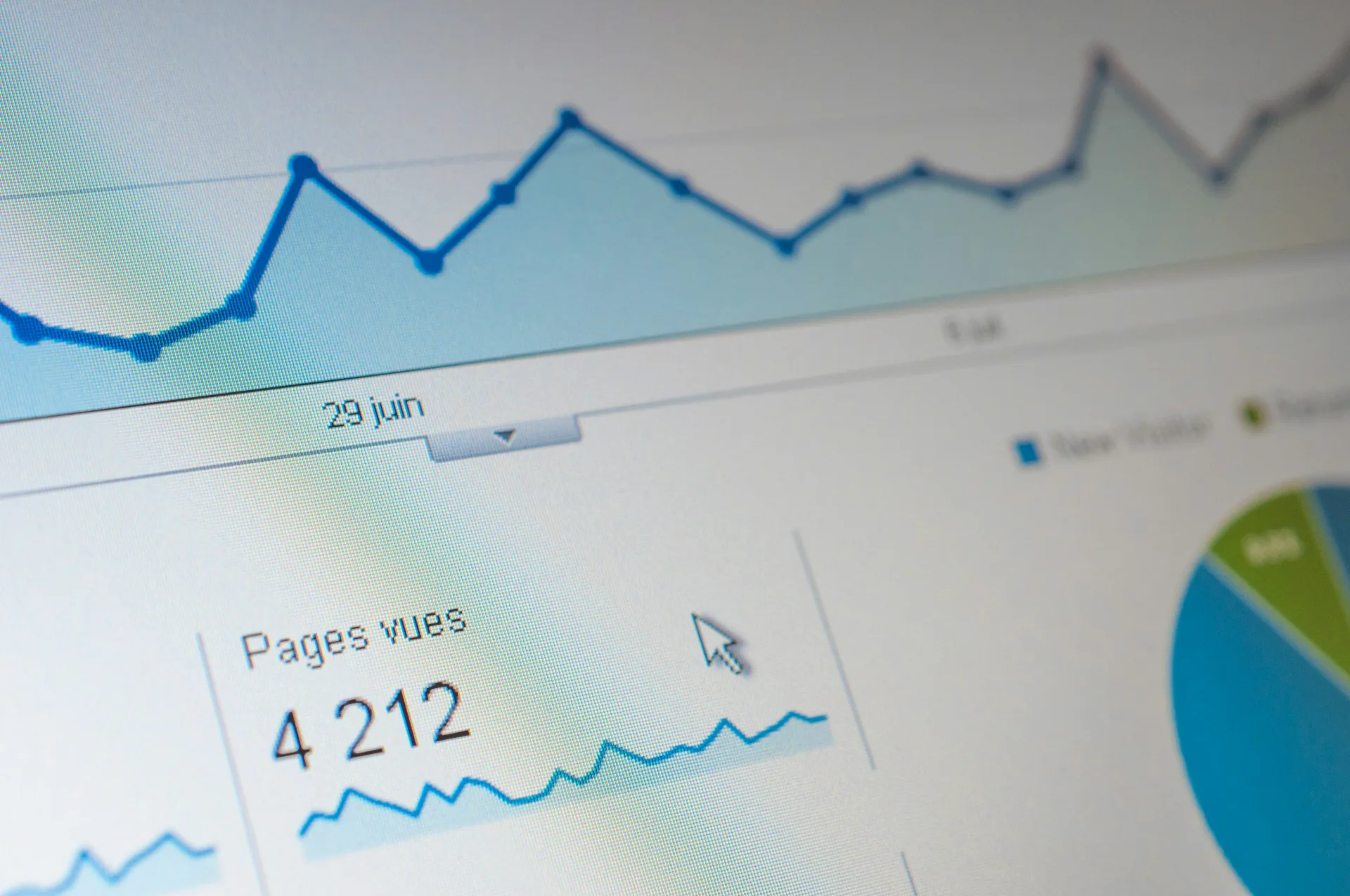
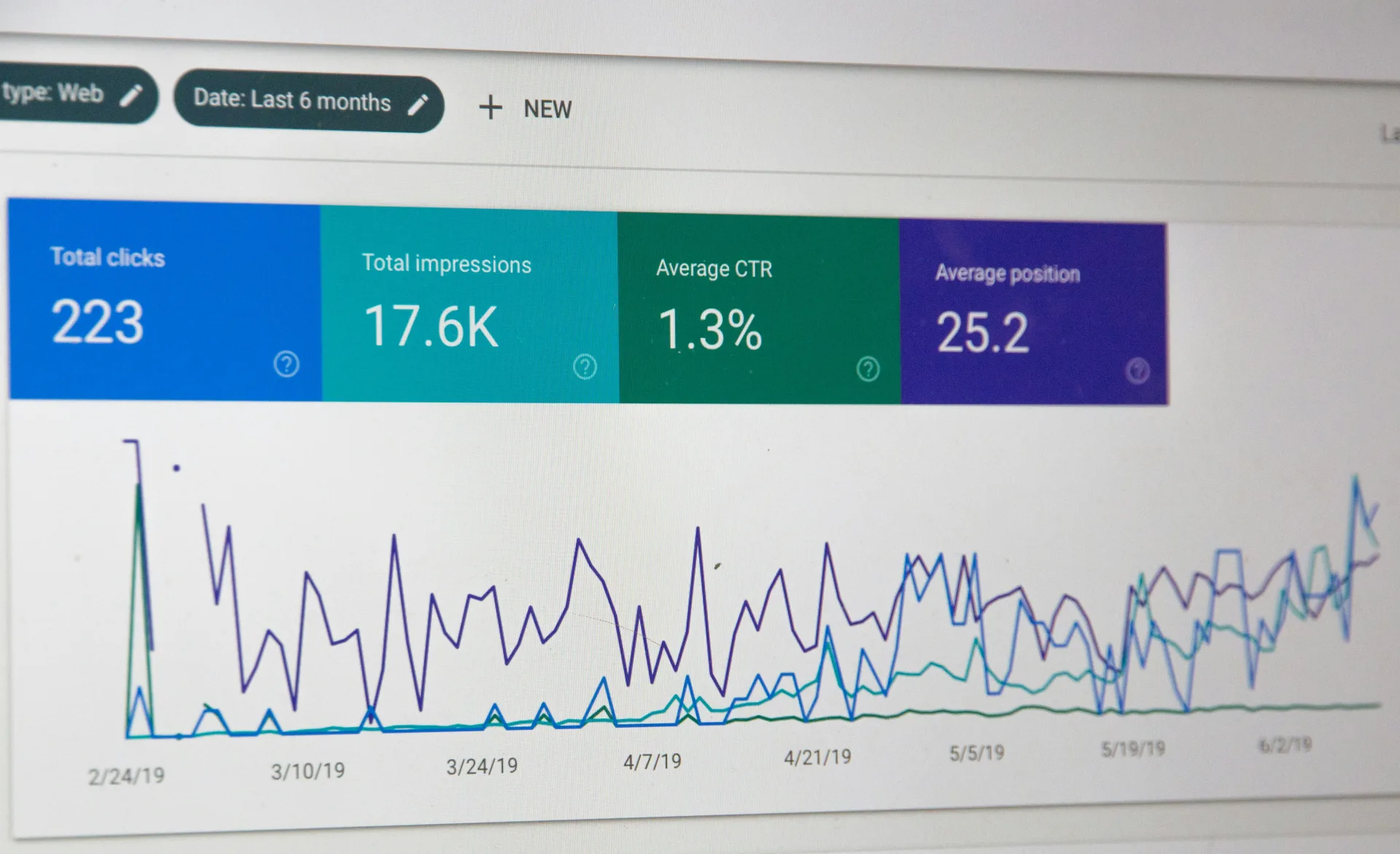
With CTR under pressure and AI assistants sending traffic with their own UTM tags, attribution gets murkier. We track visibility inside AI Overviews, branded search lift, and assisted conversions alongside classic organic sessions. The goal is to prove influence even when the click doesn't land the way it used to.
Keep the team learning
The pace of change means skills decay fast. We invest in continuous training for our team — and we encourage clients' marketing teams to do the same — because the fundamentals of structured, trustworthy content now sit next to a moving target of AI-search behaviour. A roadmap is only as good as the people executing it.
The headline is simple: AI search rewards content built for trust and structure. For brands that treat that as a content-quality discipline rather than a traffic hack, the AI era is an opportunity, not a threat.
Sources
- How We Build An SEO Content Roadmap For The AI Search Era (Step-By-Step) via @sejournal, @coreydmorris — Search Engine Journal
- Google Wants AI Content Fact-Checked, Gemini UTM Tags – SEO Pulse via @sejournal, @MattGSouthern — Search Engine Journal
- 5 formations pour apprendre le SEO à l’ère des moteurs de recherche IA — Blog du Modérateur
- Using AI To Assist With SEO Work, Not Replace The Worker via @sejournal, @chrisgreenseo — Search Engine Journal
- Google Changed Its Helpful Content Guidelines To Emphasize Good ‘Main Content’ via @sejournal, @marie_haynes — Search Engine Journal
- Goossips SEO : SEO programmatique — Abondance