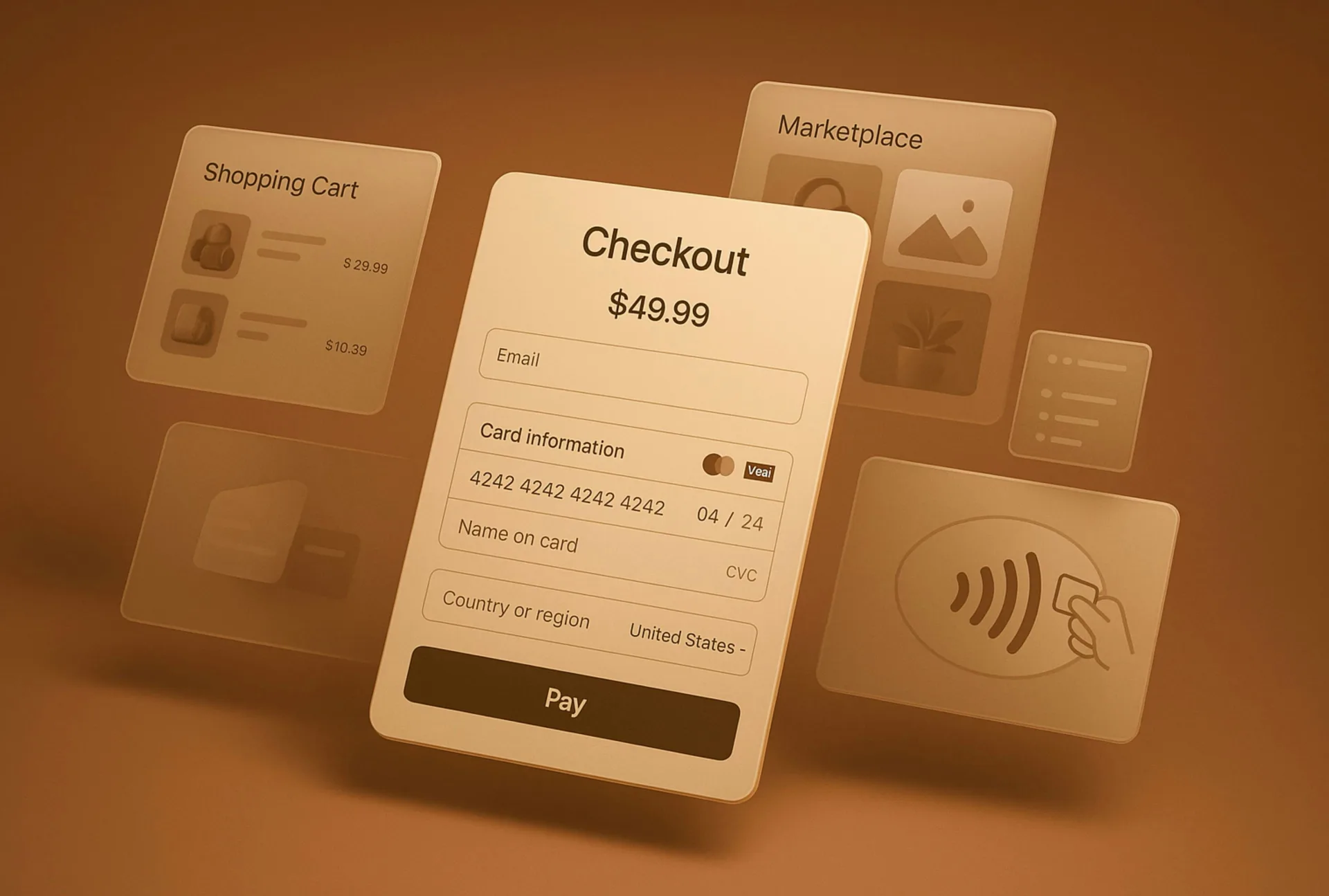
For thirty years, online checkout has been designed for a human with a mouse: product page, add to cart, fill the form, click pay. In 2026, a second kind of customer is arriving — one that never sees your page at all. It's an AI agent, shopping on a person's behalf, and it pays through rails the card networks have spent the last year building specifically for machines.
This isn't a thought experiment. Mastercard's CEO confirmed the company's first agentic transaction happened in late 2025. Visa rolled out Intelligent Commerce, and on 10 June 2026 announced a collaboration that plugs its global network directly into OpenAI's experiences. McKinsey projects AI agents could drive a trillion dollars of US transactions by 2030. The race to become the trust layer between AI and money is officially on.
How an agent actually pays
The clever part is how the networks keep machine payments safe. Instead of handing an agent your card number, they issue a scoped, tokenized credential: a token bound to one specific agent and one specific job. A token minted for a grocery agent can't book flights; a token capped at €200 can't authorise €500. Visa's Trusted Agent Protocol and Mastercard's Agentic Tokens both work this way — programmable spend limits, allowed merchants and transaction categories baked in.

For the merchant, the consequence is profound: a chunk of future demand will arrive from software, authenticated as software, expecting to transact without a single page view.
What changes for your store
If agents buy without browsing, the things you've optimised for years matter differently:
- Your data becomes your storefront. Agents read structured product data — price, availability, specs, shipping, returns — not your hero banner. Clean, machine-readable feeds are the new shop window.
- You must tell bots from agents. The whole point of Trusted Agent Protocol is to let merchants distinguish a legitimate buying agent from a malicious scraper. Block the wrong one and you lose a sale; trust the wrong one and you lose money.
- Trust signals get repriced. Reviews, ratings and return policies feed the agent's decision just as they feed a human's — sometimes more, because the agent reads all of them.
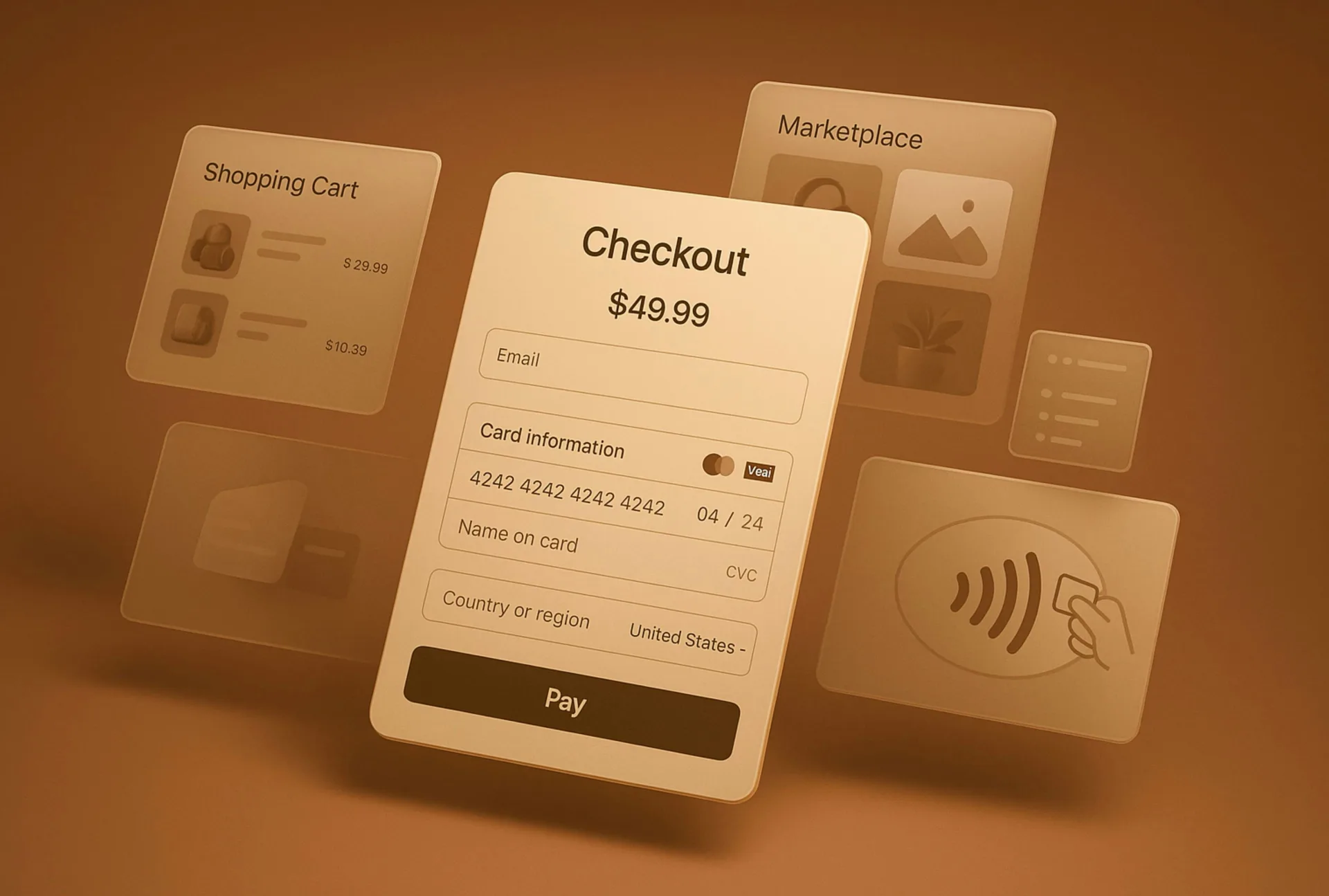
- Checkout friction can vanish — or break. Agent-ready checkout (clean APIs, token acceptance) wins the transaction; a form-only checkout simply can't be completed by a machine.
The honest caveat
Agentic commerce is real but early. Today it shines on simple, repeat, low-emotion purchases — reordering supplies, booking a known service, restocking a basket. High-consideration, first-time, emotional buys still belong to humans on a page. And the open questions — liability when an agent buys the wrong thing, disputes, returns initiated by software — are being written right now.
What to do in 2026
You don't need to rebuild your store this quarter. You need to get readable: publish clean, structured product and inventory data; keep your reviews and policies current and machine-friendly; and make sure your platform can, technically, accept a tokenized agent payment when your customers' assistants start asking. The brands that treat their data as a sales channel — not just their pages — will be the ones agents can actually buy from.