Key takeaways
- Automate the plumbing, not the personality — free humans to do the work customers actually value.
- AI is a powerful listening device: it surfaces patterns in reviews and tickets that reshape your messaging.
- Personalise to be useful, never to show off — relevance builds trust, surveillance kills it.
- Always keep a human in the loop: AI generates options, people make the call.
- Powerful AI makes human qualities more valuable, not less — insight and voice become the real edge.
The fear everyone whispers but no one solves
Every brand we meet has the same quiet worry: that leaning on AI will make their marketing feel robotic, generic, hollow. They've seen the flood of soulless auto-generated posts, the chatbots that trap customers in loops, the emails that address you as {{first_name}}. The fear is legitimate. But the conclusion — that AI and humanity are at odds — is wrong.
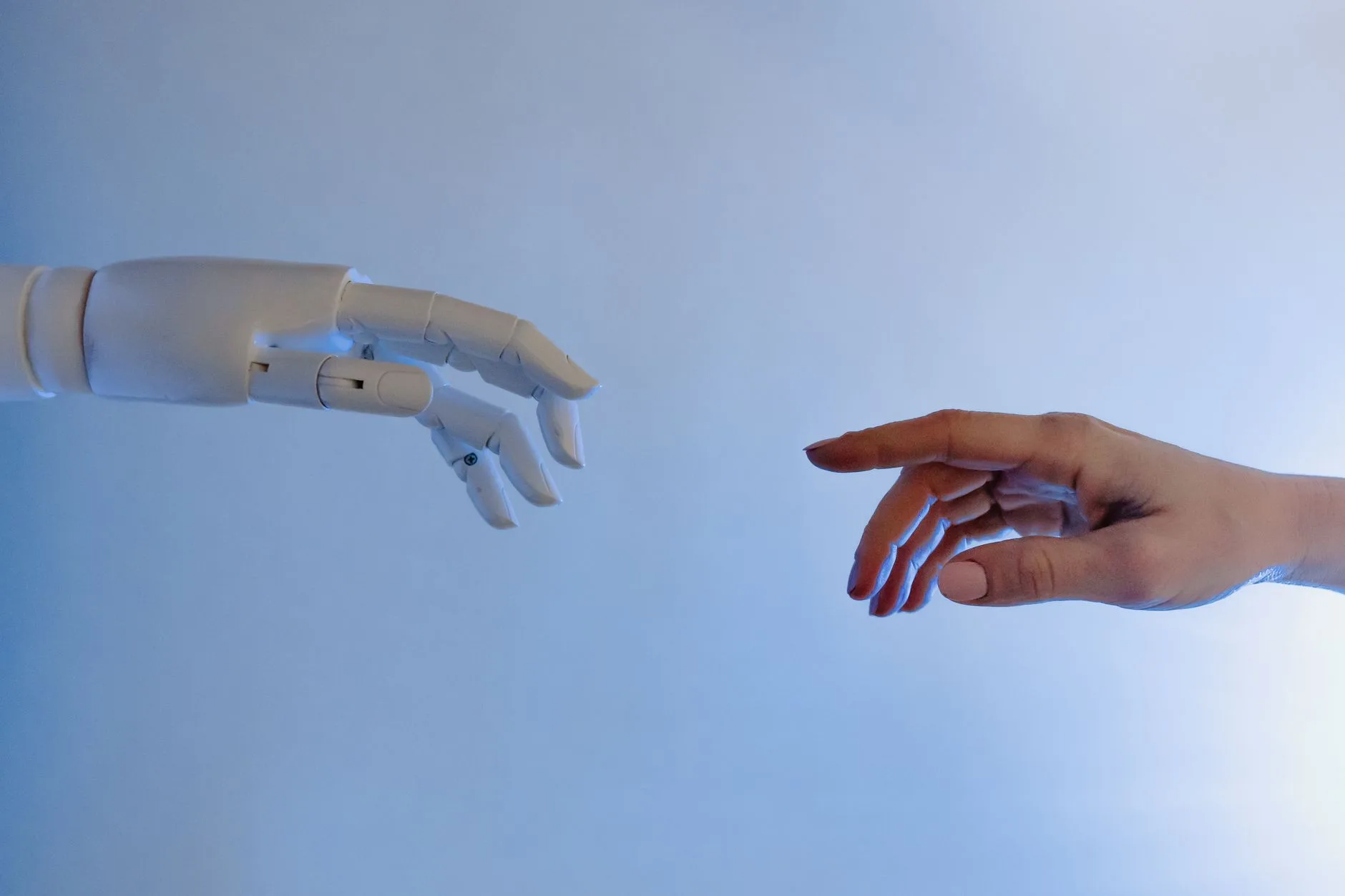
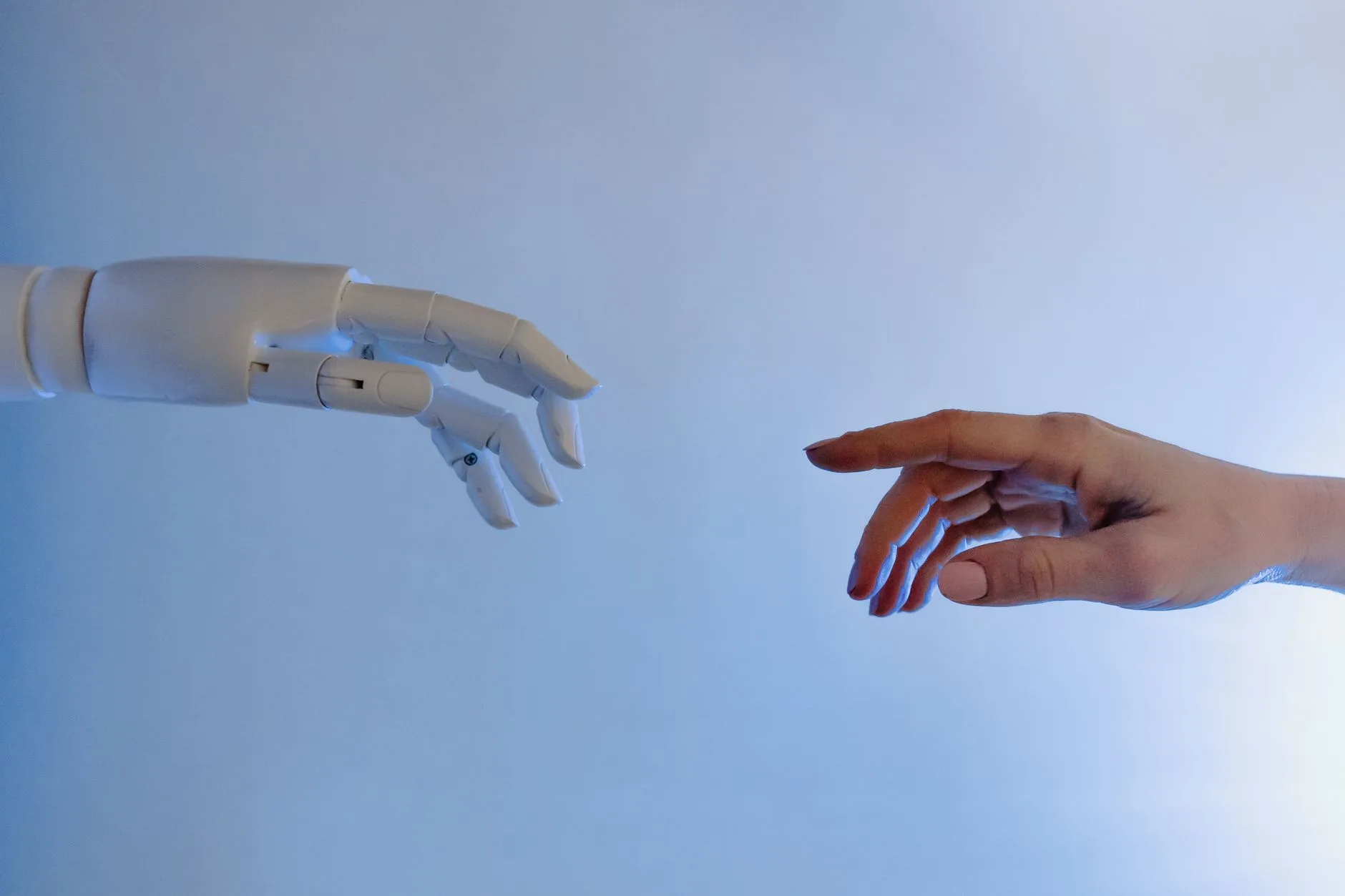
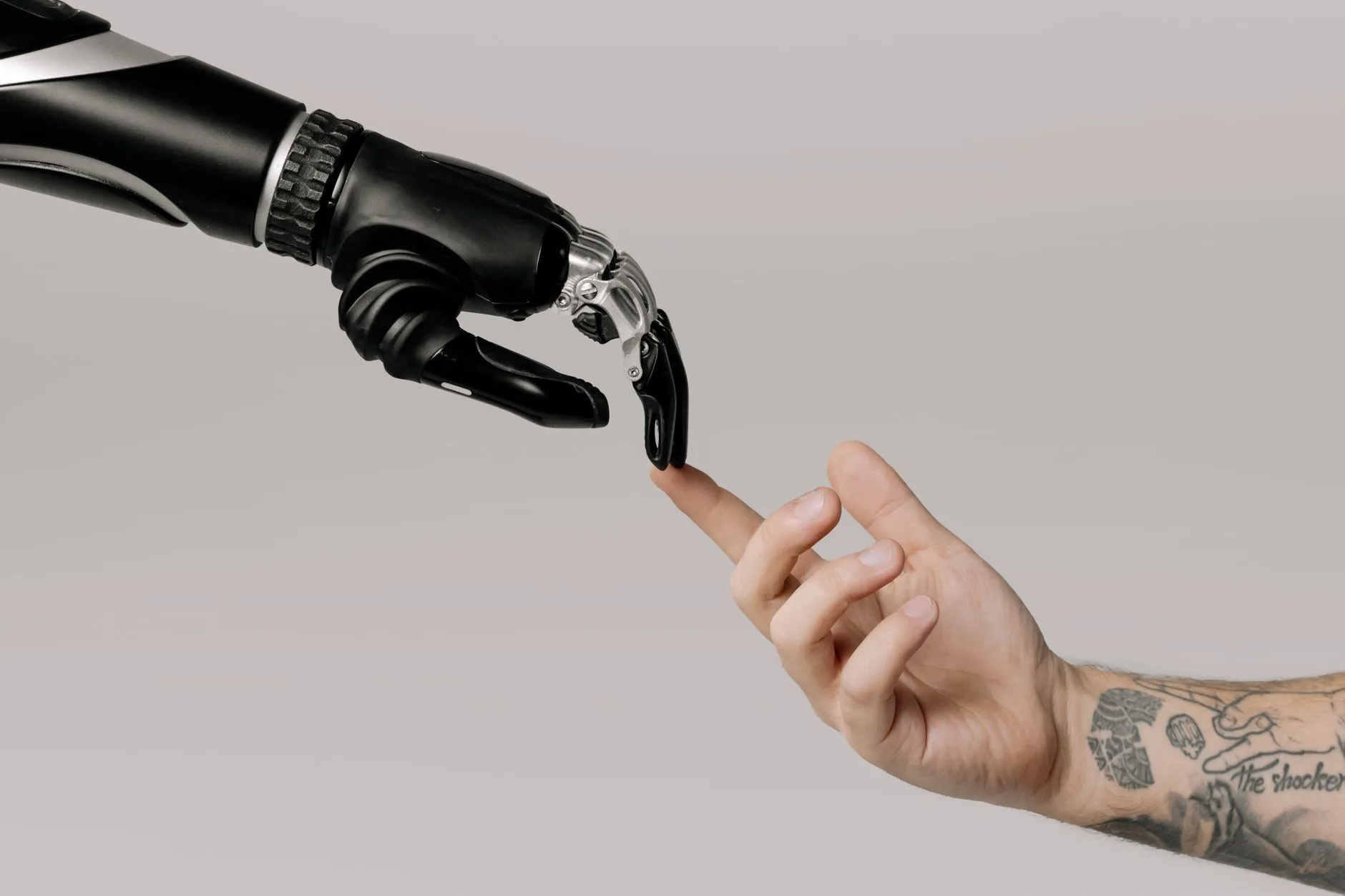
In our work across SEO, e-commerce and automation, we've found the opposite to be true. Used well, AI doesn't replace the human touch; it protects it. The problem was never the technology. It was using it to scale the wrong things.
Automate the plumbing, not the personality
Most marketing teams spend an absurd share of their week on work no customer ever sees or values: reformatting reports, tagging assets, resizing images, cleaning CRM data, drafting the eleventh variation of a meta description. This is the plumbing. It's necessary, it's draining, and it's exactly where AI belongs.
When you hand the repetitive work to machines, something interesting happens. The hours you free up don't disappear — they migrate to the parts of marketing that actually require a human: understanding a customer's real problem, crafting a point of view, having a genuine conversation. The irony is delicious. The more you automate the mechanical, the more human your marketing becomes.
- Good automation: clustering thousands of search queries to reveal what people actually struggle with.
- Bad automation: publishing AI articles that answer those queries with zero lived experience.
- Good automation: drafting a first outline so a writer starts at page three, not page zero.
- Bad automation: shipping that draft untouched because it was faster.
AI as a listening device, not a megaphone
The most human thing a brand can do is listen well. And this is where AI quietly outperforms. It can read every support ticket, every review, every survey comment at a scale no team could manage, and surface the patterns — the recurring frustration, the unexpected delight, the word customers use that you never thought to use yourself.
We've seen this reshape entire campaigns. A client assumed people bought their product for convenience; the sentiment analysis revealed they bought it for reassurance. That single insight — mined by AI, interpreted by humans — changed the messaging, the imagery, the whole tone. No amount of clever automation writes that for you. But AI is what made the insight visible in the first place.
Personalisation that respects, rather than stalks
There's a thin line between relevance and creepiness, and AI can push you either way. The difference is intent. Personalisation feels human when it anticipates a need — showing the size you actually wear, remembering the question you asked last time. It feels dystopian when it merely proves how much data you've hoarded.
Our rule of thumb is simple: personalise to be useful, never to show off. If a customer would feel grateful rather than watched, you're on the right side of the line. AI gives you the horsepower; your values decide the direction.
Keep a human in the loop — always
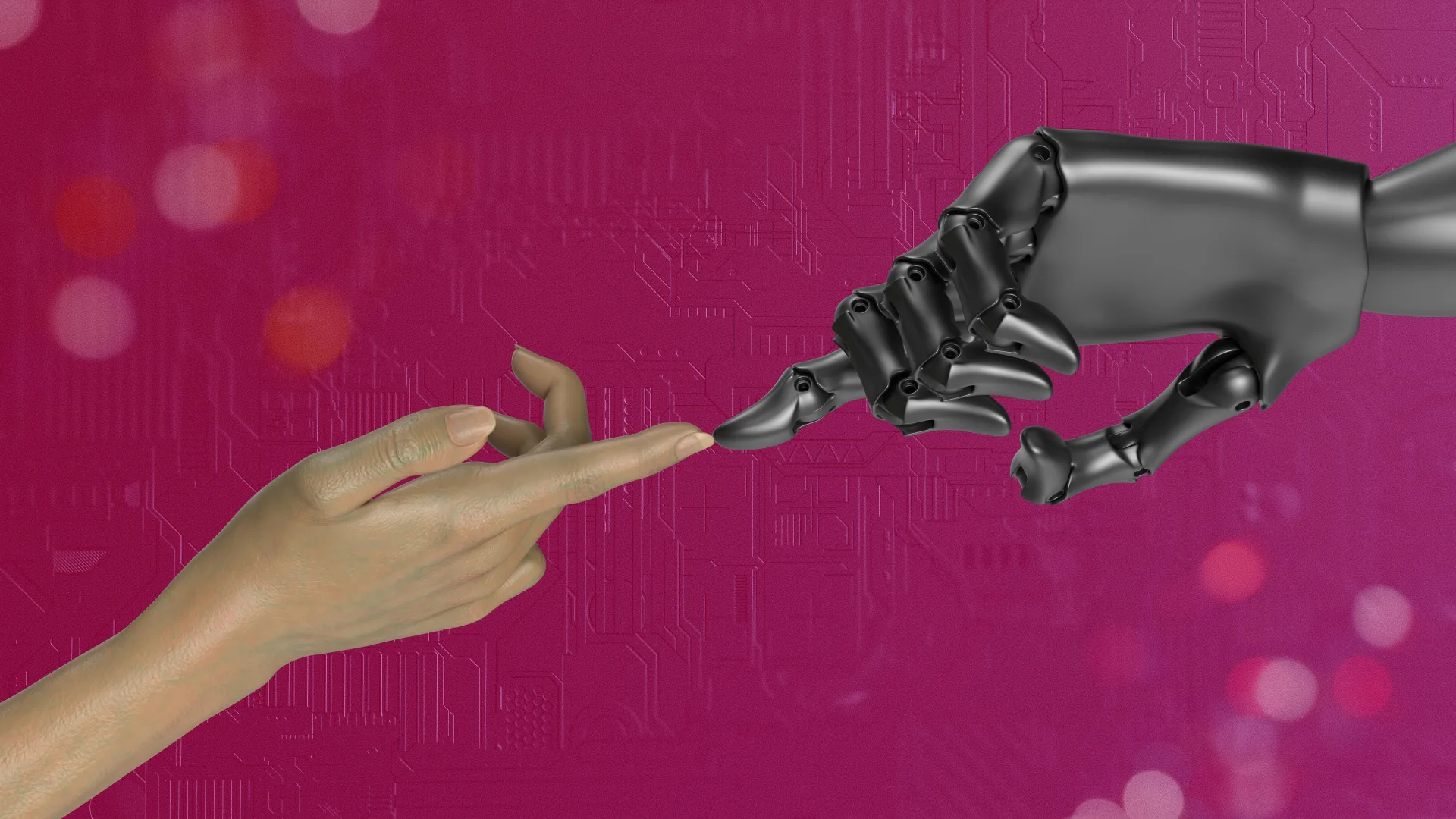
The non-negotiable principle behind everything we build is editorial judgment. AI generates options; people make decisions. A model can draft ten subject lines, but someone who understands the brand's soul picks the one that sounds like a person, not a template. That final layer of taste is not a bottleneck to automate away. It's the whole point.
Brands that forget this end up with marketing that's technically efficient and emotionally dead. Brands that remember it get the best of both worlds: the reach and speed of machines, with the warmth and intuition of people.
The real competitive edge
As AI-generated content becomes commodity, the premium shifts to what cannot be synthesised: genuine insight, a distinctive voice, real empathy, trustworthy judgment. Counterintuitively, the arrival of powerful AI makes human qualities more valuable, not less. The winners won't be the brands that automate the most. They'll be the ones who automate the right things so their humanity can finally shine through.
If you're trying to find that balance — scaling your marketing without hollowing it out — we'd love to talk it through with you. Bring us the problem, and let's design something that feels unmistakably human.