Key takeaways
- AI flattens marketing only when you point it at the output instead of the thinking around it.
- Let machines handle volume, pattern and preparation; keep humans in charge of point of view and taste.
- Feed AI your best raw material — real customer language and brand voice — or you'll get generic results.
- The most human use of AI is reducing noise: fewer, better, more relevant messages.
- As AI content floods every channel, genuine humanity becomes the scarce competitive edge.
The paradox everyone gets wrong
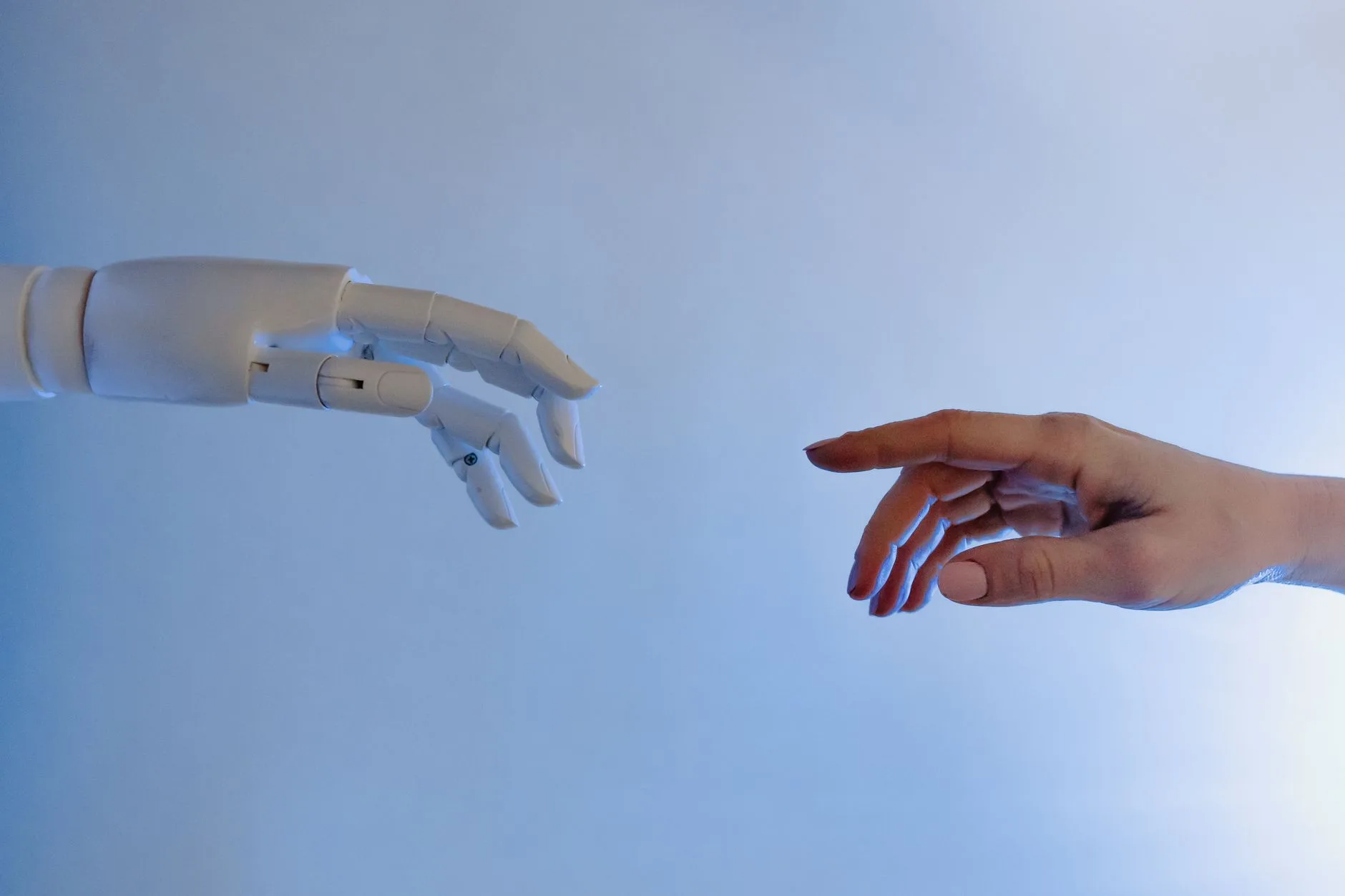
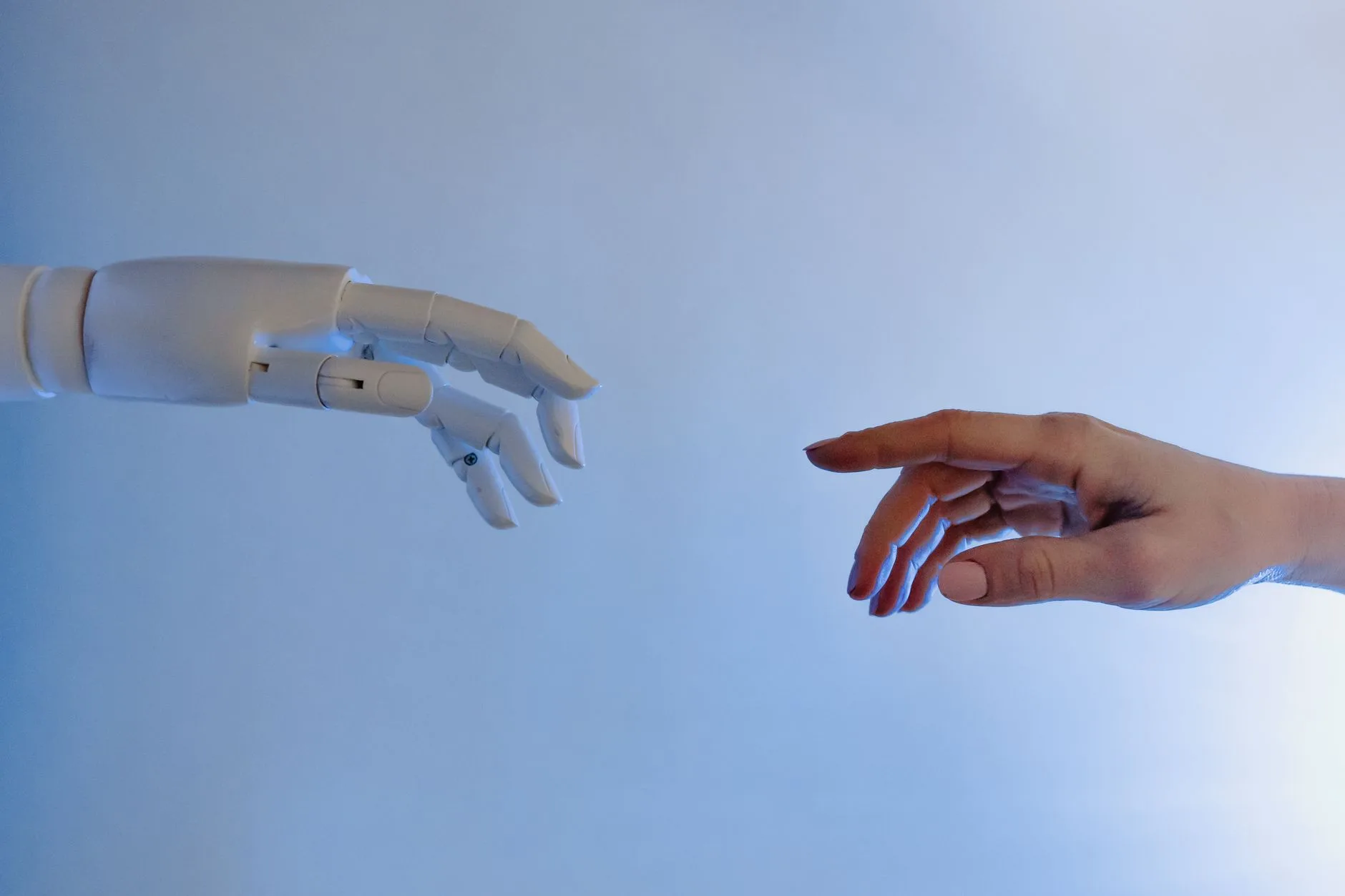
There's a quiet fear running through marketing teams right now: that automation will flatten every brand into the same beige, over-optimised sludge. Open any inbox and you'll find the evidence — identical subject lines, the same three LinkedIn hooks, prose that reads like it was generated by a committee of confident nobodies. The irony is that this is not what AI does. It's what lazy use of AI does.
At Evocative, we've spent the last few years building AI and automation systems for brands across Europe. The pattern is consistent: teams that treat AI as a replacement for human judgement produce work that feels hollow. Teams that treat it as a way to remove friction from the human parts of marketing produce work that feels warmer, sharper, and more personal than what they made before. Same tools. Opposite results.
Where AI actually earns its place
The mistake is aiming AI at the wrong target. Most marketers point it at the output — "write me a post," "generate the ad." The real value is upstream and downstream of the creative act, not inside it.
- Understanding, not guessing. AI is exceptional at reading thousands of reviews, support tickets and sales calls to surface the exact language your customers use. That's not automation replacing insight — it's automation feeding it.
- Removing the boring parts. Reformatting, tagging, versioning for channels, translating, QA-ing links. These are the tasks that drain the energy your team needs for the work only humans can do.
- Segmentation at a resolution humans can't reach. Genuinely personal marketing has always been too expensive to scale. AI changes the maths — but only if the message underneath is worth personalising.
Human where it counts, machine where it doesn't

The frameworks we build for clients tend to draw a hard line. AI handles pattern, volume and preparation. Humans own point of view, taste and the decision about what's actually worth saying. A brand voice isn't a style — it's a set of opinions, a way of seeing the world. No model has opinions. It has averages. And averages are exactly what makes marketing forgettable.
This is why we're sceptical of the "fully automated content engine" pitch. You can automate the production of words. You cannot automate the reason anyone should care about them. When a company removes the human from that decision, customers feel it instantly — even when they can't name why.
Personalisation that respects the person
There's a version of personalisation that feels human and a version that feels like surveillance. The difference is intent. Using data to send someone a more relevant, less annoying, better-timed message respects their attention. Using it to manufacture false intimacy — the fake handwritten font, the "I was just thinking about you" email blast — corrodes trust the moment it's spotted.
The most human thing AI can do in marketing is reduce the noise: fewer, better messages; the right offer at the right moment; a support answer that actually solves the problem. Restraint, powered by intelligence, reads as respect.
What we tell clients before we build anything
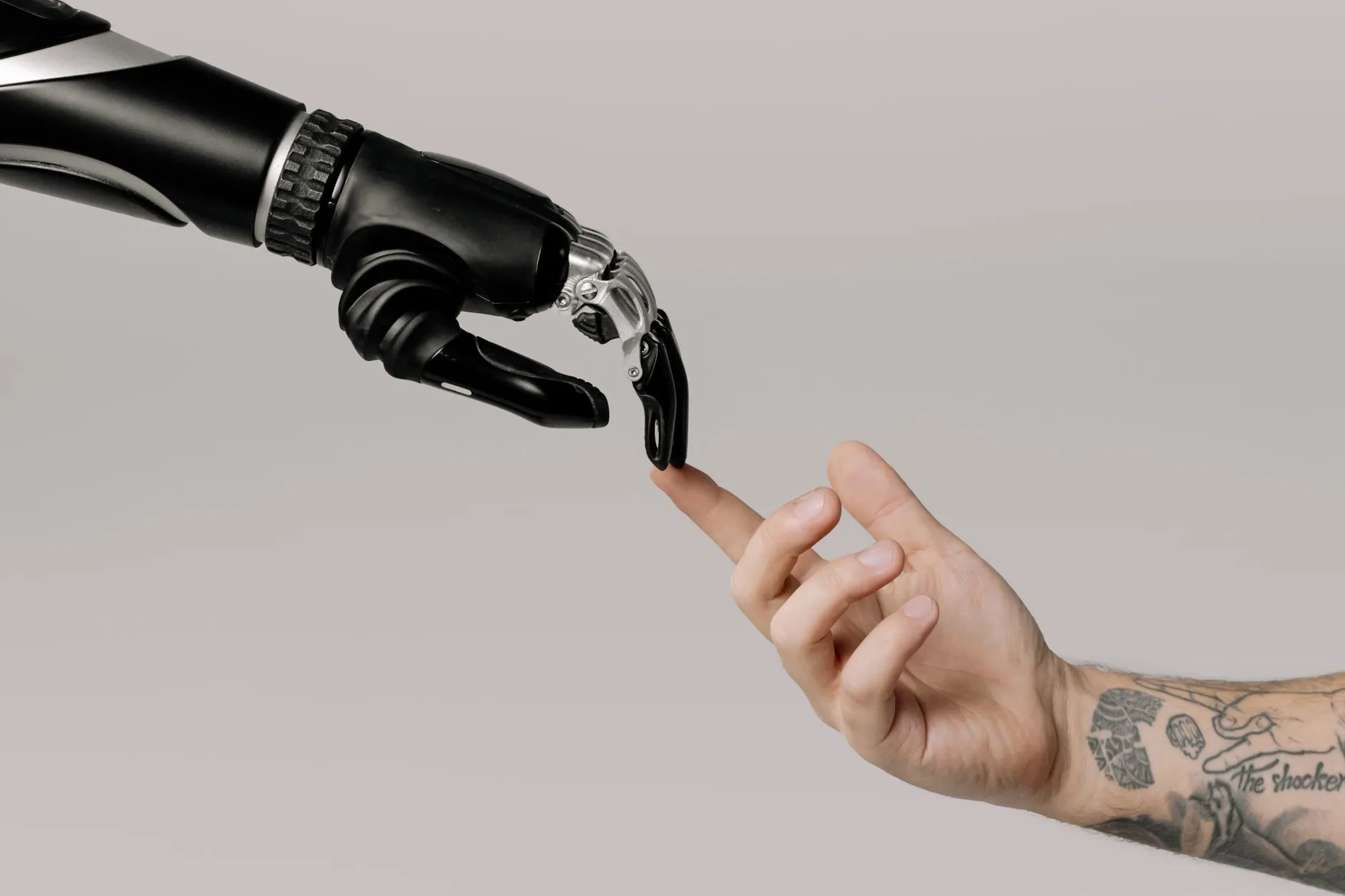
Three principles keep AI on the right side of the line:
- Keep a human editor in the loop on anything customer-facing. Not to slow things down — to keep the taste in.
- Feed the machine your best raw material. Real customer language, real brand documents, real strong examples. Garbage in, generic out.
- Measure warmth, not just throughput. Reply rates, sentiment, unsubscribes and "this actually helped me" moments matter more than sheer volume of output.
The competitive edge is counterintuitive
As AI content floods every channel, the scarce resource is no longer production — it's humanity. The brands that will win aren't the ones publishing the most. They're the ones using automation to buy back time, and spending that time on the things machines can't fake: a genuine point of view, a distinctive voice, real care for the customer on the other end.
Used well, AI doesn't make marketing feel less human. It clears away everything that was stopping it from feeling human in the first place.
If you're weighing up where AI genuinely belongs in your marketing — and where it absolutely shouldn't — we'd be glad to talk it through with you.