Key takeaways
- Cold marketing comes from replacing human judgment with AI, not from the technology itself.
- Use AI to prepare and personalise; keep humans to decide and connect.
- Feed real customer language back into your messaging for instant relevance.
- Personalise for helpfulness, not to prove how much data you have.
- Start small: automate one draining task and measure warmth, not just speed.
The paradox we keep seeing
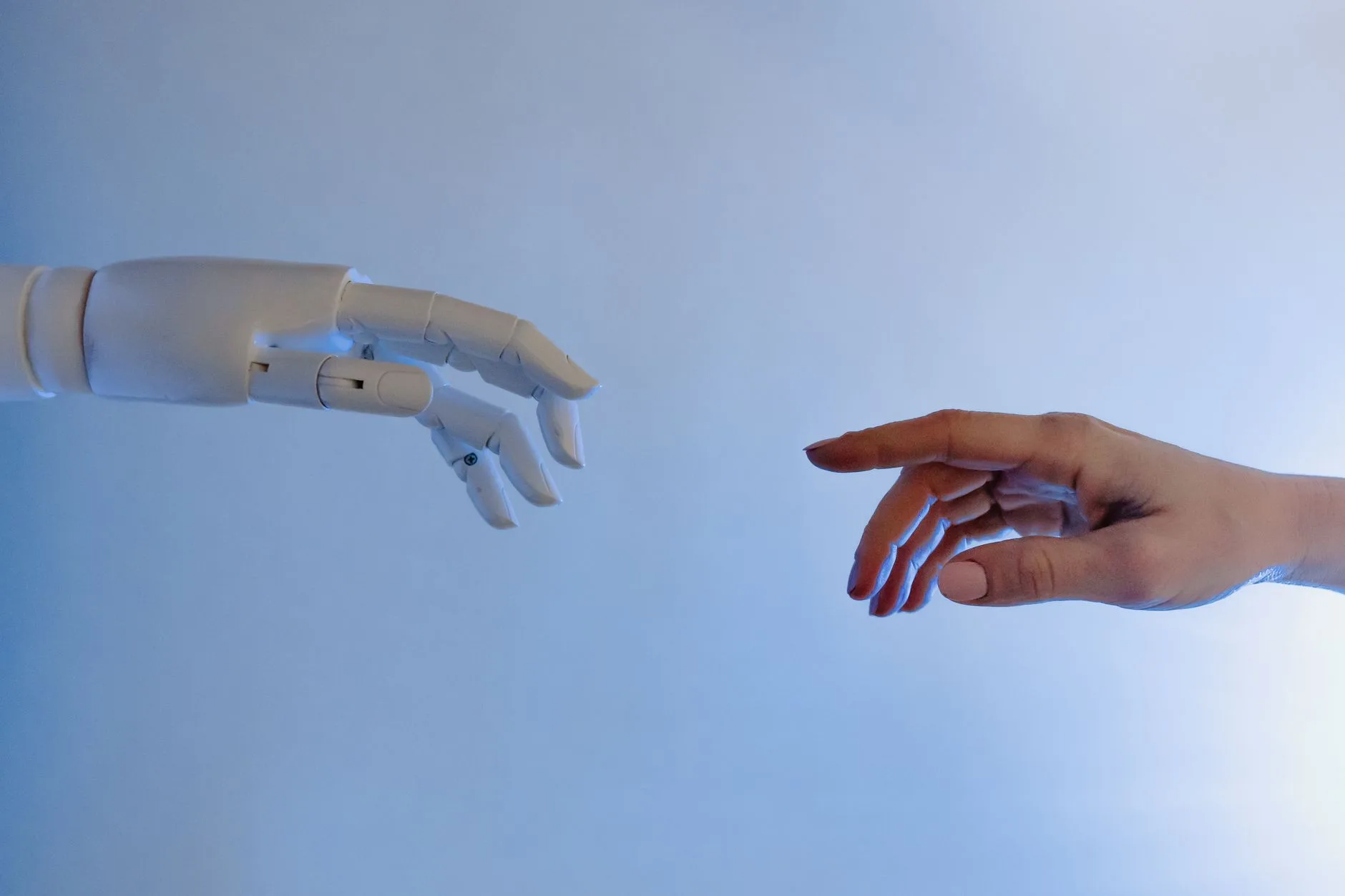
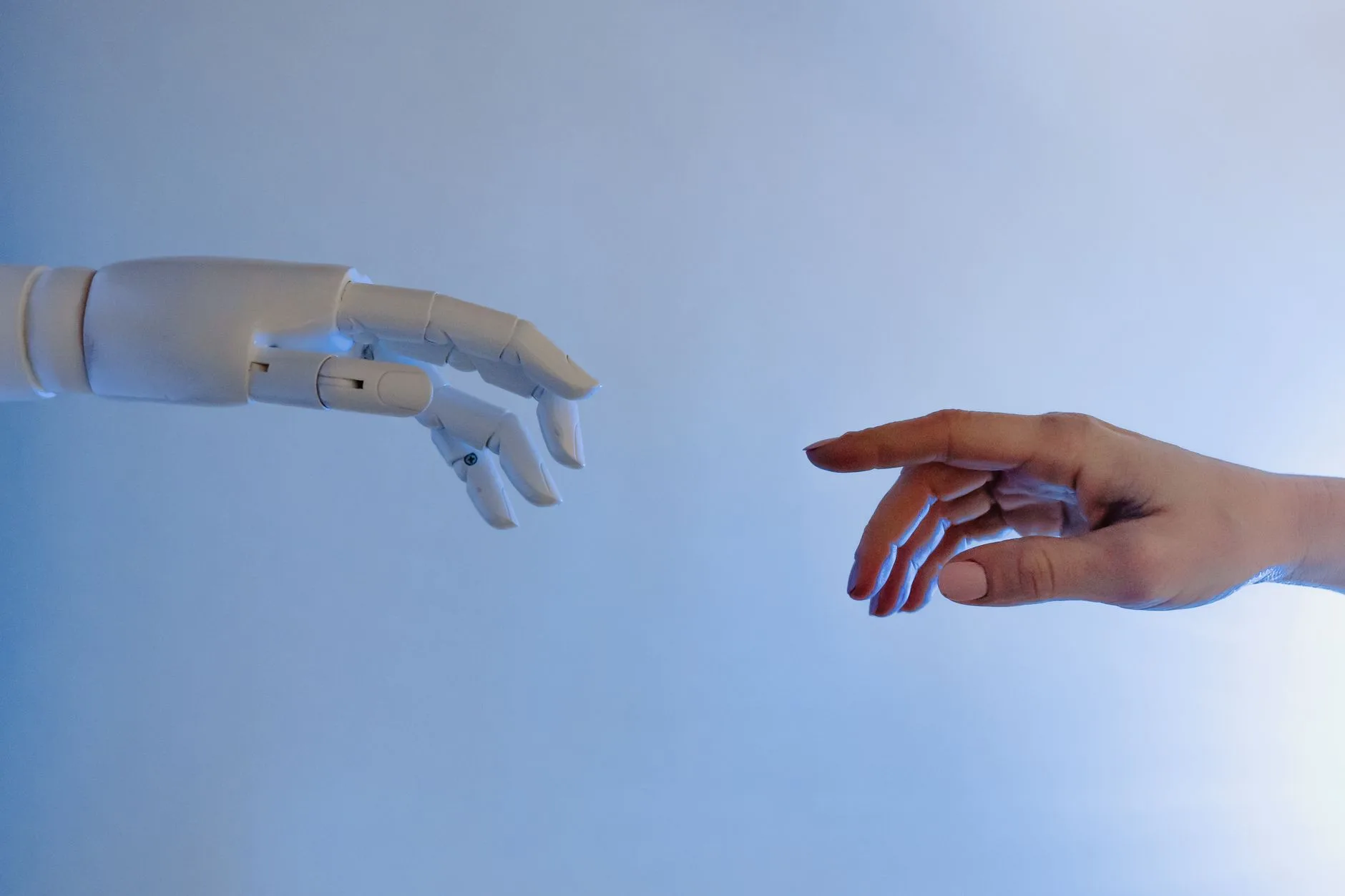
Every week we meet teams convinced that AI will make their marketing feel cold, robotic, and interchangeable. And honestly, a lot of AI-generated marketing does feel that way — bland copy, uncanny stock-style images, chatbots that answer everything except the actual question. But the coldness isn't caused by the technology. It's caused by using the technology to replace human judgment instead of amplifying it.
At Evocative, we've come to see AI less as a content vending machine and more as a way to remove the friction that stops teams from being human in the first place. When people are buried in repetitive tasks, they don't have the bandwidth to notice a customer's tone, tailor a message, or follow a hunch. That's where marketing loses its soul — not in the tools.
Where AI actually earns its place

The most human-feeling marketing we help build tends to use AI in the background, doing the unglamorous work so people can focus on connection.
- Listening at scale. AI can read thousands of reviews, support tickets, and comments and surface the exact phrases customers use. That's not automation replacing empathy — it's automation feeding it.
- Removing the blank page. A first draft generated in seconds gives a writer something to react to, sharpen, and inject with a real point of view. The human still owns the voice.
- Segmentation with nuance. Instead of two crude audiences, AI lets you recognise dozens of micro-contexts and speak to each one with genuine relevance.
- Freeing up time. Every hour AI saves on reporting, tagging, or reformatting is an hour a marketer can spend on strategy, storytelling, or actually talking to customers.
The line we refuse to cross
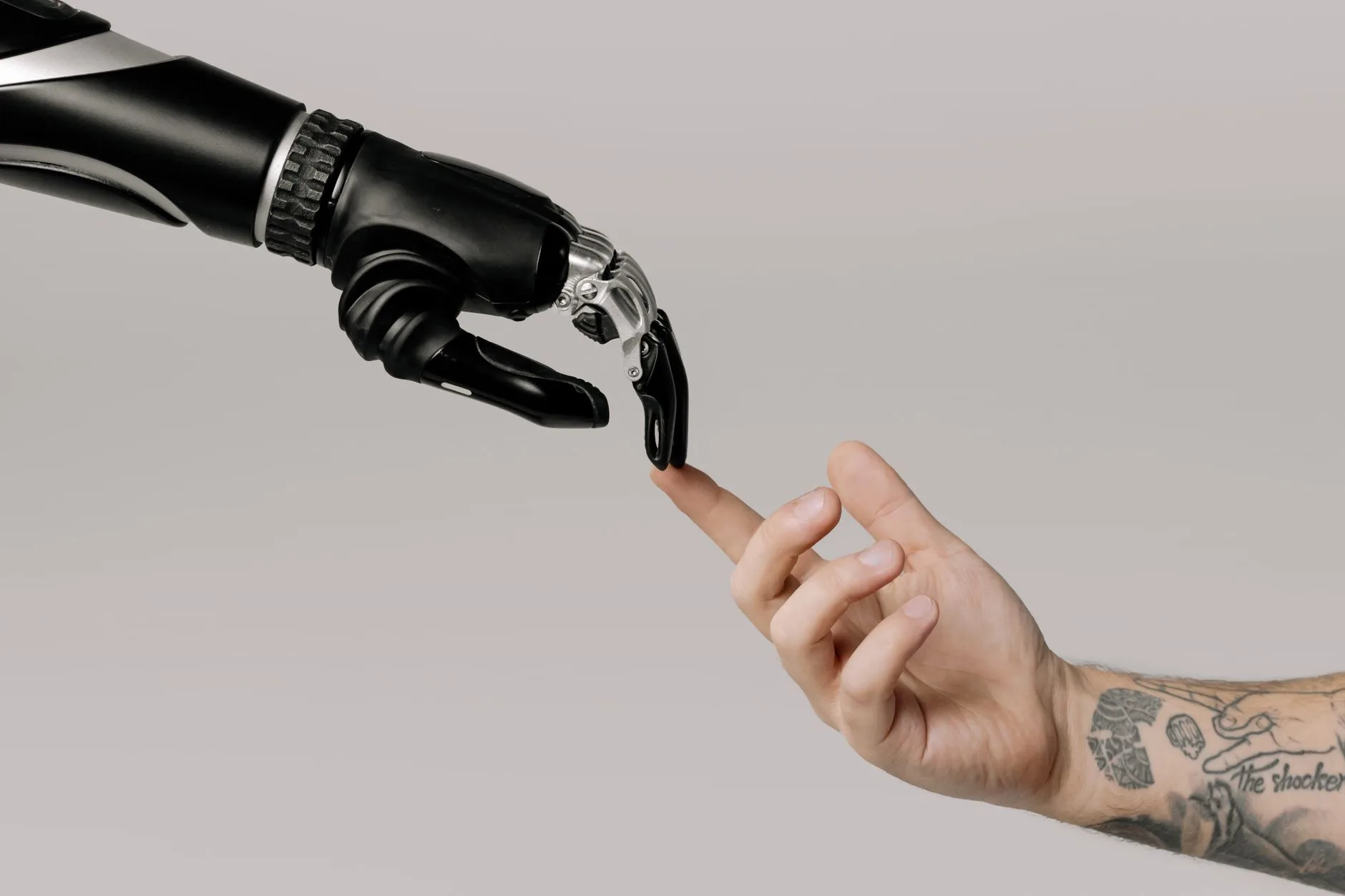
There's a difference between AI that helps you understand people and AI that pretends to be a person. We're wary of the second. A fully automated persona that invents empathy it doesn't have will eventually get caught, and trust is expensive to rebuild.
Our rule of thumb is simple: use AI to prepare and personalise, use humans to decide and connect. A recommendation engine can suggest the right product; a thoughtful, honest message about it should still reflect a real brand voice. An assistant can draft a reply to a frustrated customer; a person should read it before it goes out when the stakes are high.
Personalisation without the creep factor
Human marketing respects the person on the other side. AI makes it dangerously easy to over-personalise — to show people you know more about them than they're comfortable with. The most human move is often restraint: use the data to be more relevant and more helpful, not to prove how much you've tracked. If a personalised message would feel invasive said out loud in a shop, don't send it.
A practical way to start
You don't need a moonshot to make marketing feel more human with AI. Start small and honest:
- Pick one repetitive task that drains your team and quietly automate it.
- Feed customer language back into your messaging, and rewrite one campaign in the words people actually use.
- Keep a human in the loop for anything emotional, sensitive, or reputational.
- Measure whether responses feel warmer and more relevant — not just faster and cheaper.
Done this way, AI becomes an invisible ally. Customers never see the model. They just notice that the brand seems to understand them, respond quickly, and sound like it's run by people who care. That's the whole point.
If you're weighing up how to bring AI into your marketing without losing what makes your brand feel human, we'd genuinely enjoy talking it through with you — no pitch, just a conversation about what's possible.