Key takeaways
- Automate the routine, escalate the meaningful — that line defines whether AI helps or hurts your brand.
- AI's best gift is reclaimed time, which lets your team be more human where it counts.
- Personalisation should feel relevant, never surveillant; the tech is identical, the intent is everything.
- Keep a human checkpoint in every AI workflow — the exceptions are what define a brand.
- As AI-generated content floods every channel, taste and judgement become the real competitive edge.
The paradox nobody wants to admit
There's a quiet fear running through marketing teams right now: that AI will flatten everything into the same beige, over-optimised sludge. Endless auto-generated blog posts, robotic chat replies, subject lines engineered by a machine that has never felt a Monday morning. If that's what AI does to your brand, you're using it backwards.
At Evocative, we've spent the last few years building AI and automation into real marketing operations — for e-commerce brands, service businesses, and everything in between. The pattern we keep seeing is counterintuitive: the teams who use AI well end up sounding more human, not less. The trick is knowing what to hand to the machine and what to protect fiercely for yourself.
What AI is genuinely good at (and what it isn't)
AI is excellent at the parts of marketing that were never very human in the first place. The grinding, repetitive, attention-eroding work: tagging thousands of product images, summarising a week of customer reviews, drafting seventeen variations of a meta description, spotting which segment is quietly churning. Nobody's brand voice was ever expressed through a spreadsheet reconciliation.
What AI is bad at — and this matters — is judgement, taste, and lived context. It doesn't know that your best customer just had a rough quarter. It can't feel when a joke lands or when a campaign is tone-deaf. It has no skin in the game. Confuse those two categories and you get soulless marketing. Respect the line and you get leverage.
- Give to AI: research synthesis, first drafts, data pattern-spotting, personalisation at scale, tedious formatting.
- Keep for humans: the core idea, the emotional angle, the final edit, the ethical call, the relationship.
Time is the real product

The most human thing AI gives back is time. When a copywriter isn't spending three hours resizing and reformatting, they're spending it talking to actual customers. When a strategist isn't manually pulling reports, they're thinking about what the numbers mean. We've watched teams reinvest those reclaimed hours into the work that machines can't touch — and their marketing gets warmer, sharper, more specific.
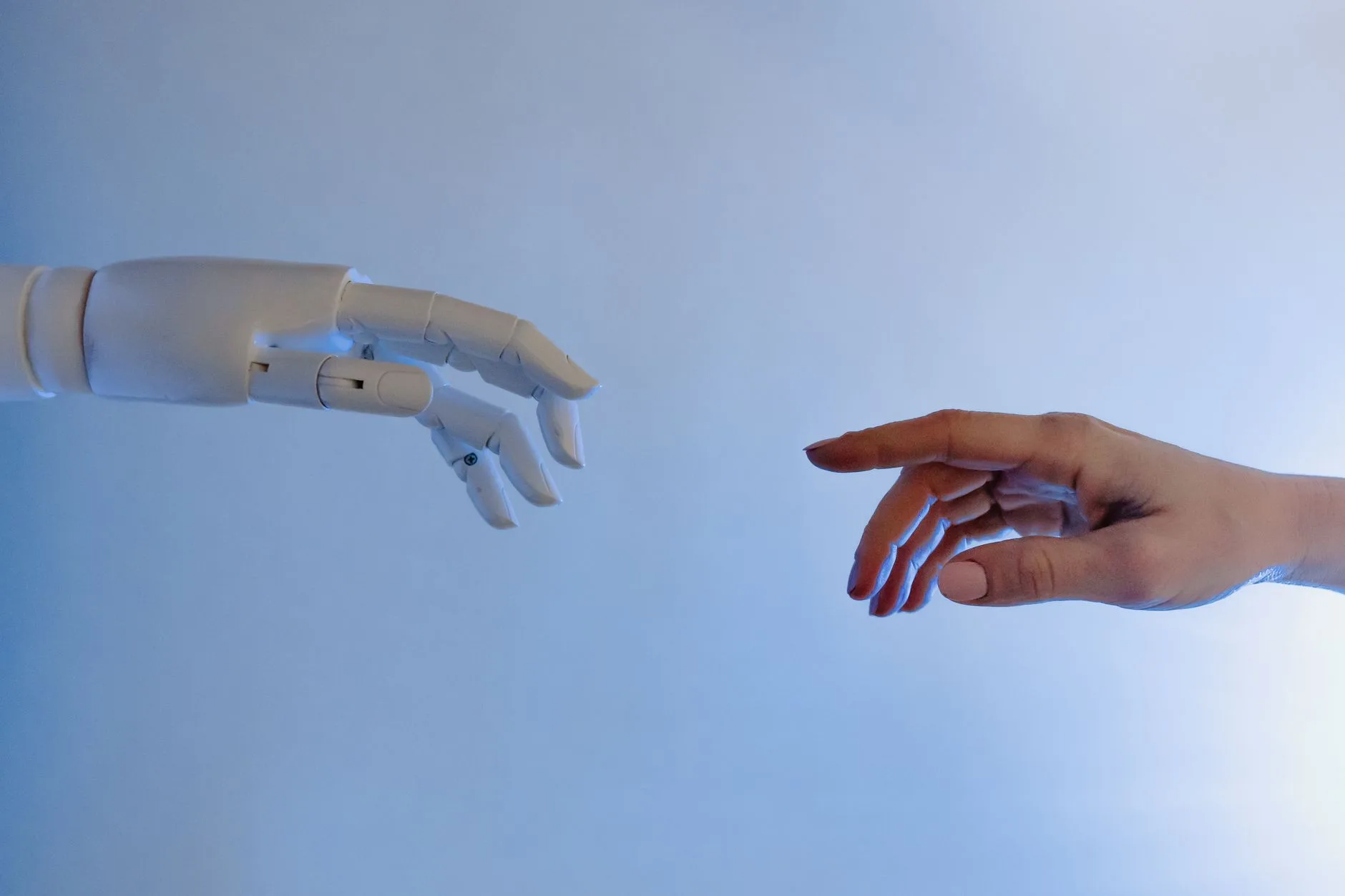
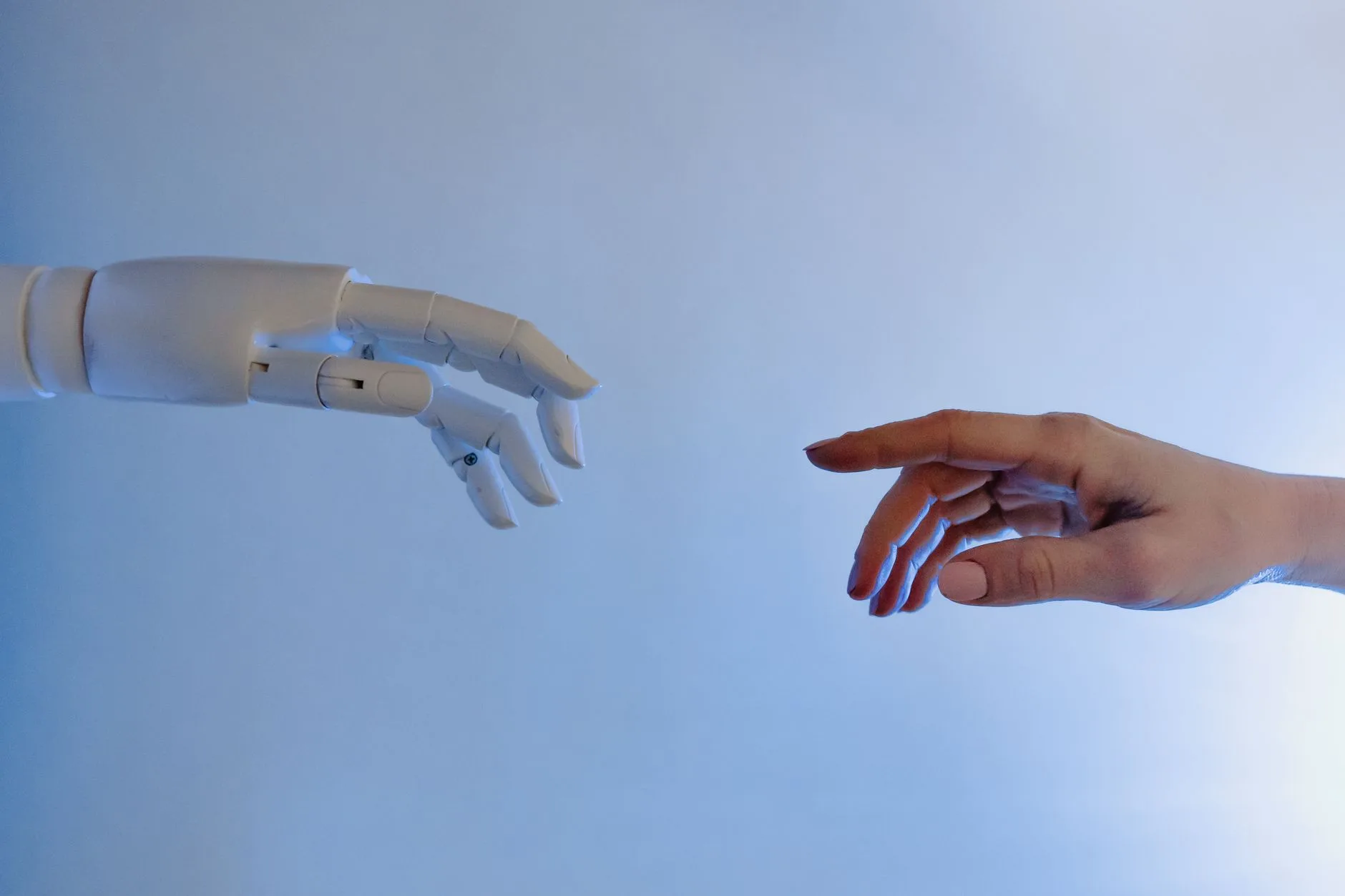
That's the reframe. AI isn't there to replace the human at the keyboard. It's there to remove everything standing between that human and the moment of genuine connection.
Personalisation vs. surveillance
Here's where it gets delicate. AI makes personalisation cheap and scalable — which is exactly why it's so easy to get wrong. There's a world of difference between an email that feels like it was written for you and one that reminds you how much a company knows about you. The first feels human. The second feels like being watched.
Our rule of thumb: use AI to be relevant, not to be creepy. Recommend the accessory that genuinely completes a purchase. Skip the message that references a page they lingered on for eleven seconds. Good personalisation makes the customer feel understood; bad personalisation makes them feel profiled. The technology is identical — the intent is everything.
Keeping a human in the loop
Every AI workflow we build has a checkpoint where a person can veto, edit, or override. Not because the machine is usually wrong, but because the exceptions are exactly the moments that define a brand. A generic apology to an angry customer is worse than none. A perfectly on-brand caption that misreads the news cycle can do real damage.
The discipline isn't "automate everything" — it's "automate the routine, escalate the meaningful." That single principle separates AI marketing that builds trust from AI marketing that quietly erodes it.
The competitive edge is taste
As AI-generated content floods every channel, the scarce resource stops being production and becomes discernment. Anyone can generate a thousand posts. Almost nobody can tell you which three are worth publishing. The brands that win the next few years won't be the ones that adopt AI fastest — they'll be the ones who pair it with the strongest human point of view.
That's the future we're betting on at Evocative: AI as an amplifier of human judgement, not a substitute for it. The tools keep getting better. The question that matters hasn't changed at all — does this make someone feel something real?
If you're figuring out where AI fits in your marketing without losing what makes your brand yours, we'd love to talk it through with you. No pitch, just a conversation about what's worth automating and what's worth protecting.