Key takeaways
- Automate what was never meant to be human: admin, research, drafting, routing.
- Keep empathy, taste, and accountability firmly in human hands.
- AI gets you to 70%; the human 30% is where trust is won.
- Scaling content isn't the goal — doing fewer things better is.
- Lazy marketing makes communication inhuman, not AI itself.
The great misunderstanding about AI in marketing
Most brands reach for AI to do more: more emails, more variants, more content, more faster. The result is a flood of technically correct, emotionally empty communication. Audiences feel it instantly. The irony is sharp — the tool many teams hoped would scale their voice is quietly eroding it.
At Evocative, we've come to a different conclusion after building AI-driven systems for brands across Europe. The highest-value use of AI in marketing is not to replace human warmth, but to protect it. Used well, AI absorbs the mechanical work that was already draining your team's humanity — and gives people back the time, attention, and context to do the things only humans can.
Where AI genuinely belongs
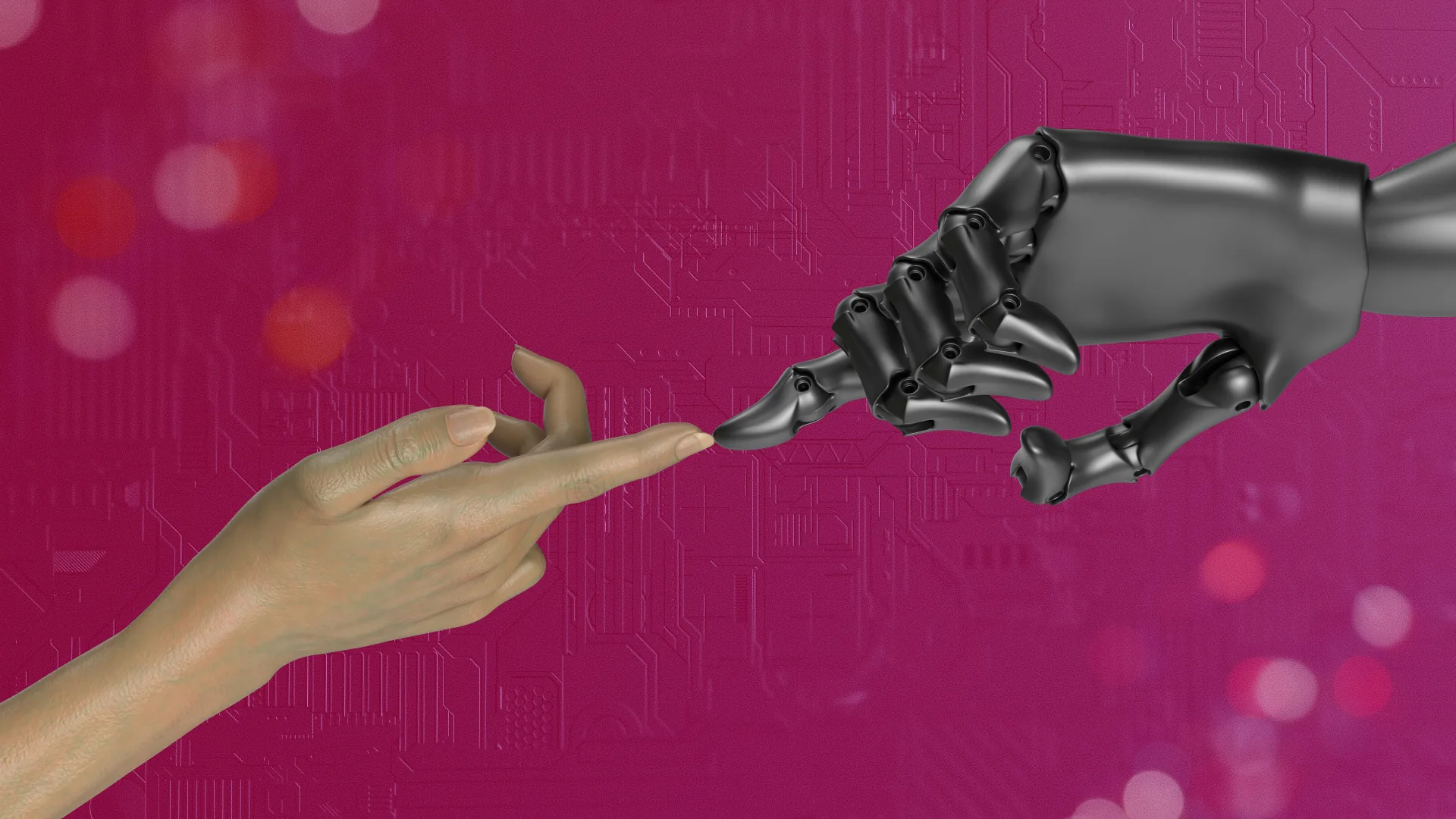
The question we ask clients is simple: what parts of your marketing were never meant to be human in the first place? Those are the parts to automate. Nobody signed up to tag a CRM, reformat a spreadsheet, or write the fifteenth version of a subject line at 6pm.
- Research and synthesis: AI can read a thousand reviews, support tickets, and sales calls, then surface the actual language your customers use. That's not dehumanising — it's listening at scale.
- Drafting, never deciding: AI produces raw material fast. The judgement about tone, truth, and nuance stays with a person who knows the brand.
- Personalisation logic: matching the right message to the right moment, so a human message lands when it's genuinely relevant.
- Operational friction: routing, tagging, summarising, translating — the invisible admin that quietly burns creative energy.
Where humans must stay in charge
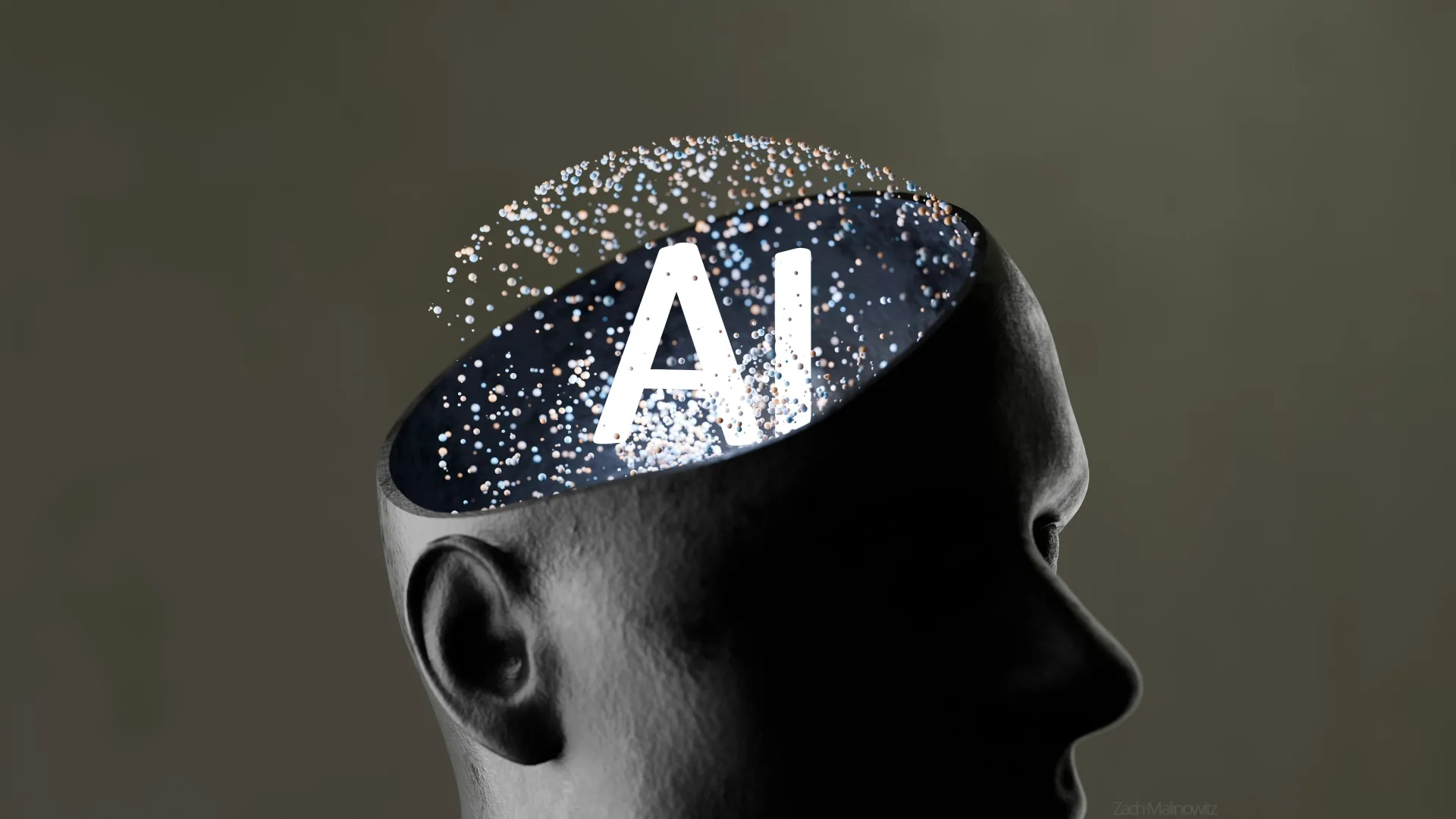
There's a line we don't cross, and we advise clients to hold it firmly. Empathy, point of view, taste, and accountability are not delegable. An AI can mimic a reassuring tone; it cannot actually care whether your customer succeeds. That difference is subtle on the page and enormous in a relationship.
The brands winning with AI right now are not the ones producing the most content. They're the ones using the time AI gives them to do fewer things, better — a genuinely considered campaign, a reply written by someone who read the whole thread, a decision made by a person who takes responsibility for it.
The human-in-the-loop isn't a bottleneck — it's the product
We often hear teams treat human review as a drag on efficiency, something to minimise. We see it as the opposite. The human step is where the value is created. AI gets you to 70% in minutes; the final 30% — the part that makes a customer feel understood — is exactly where your brand either earns trust or sounds like everyone else.
Practically, this reshapes the workflow. Instead of people serving the machine's output, the machine serves the person's intent. You design systems where AI handles volume and velocity, and humans handle meaning and judgement. When that balance is right, marketing feels more personal than it did before automation, not less — because your best people now have the bandwidth to actually be present.
A simple test for any AI marketing initiative
Before deploying anything, we run it through three questions:
- Does this free a person to be more human, or does it remove the human entirely?
- Would a customer feel respected if they knew exactly how this was made?
- Is a named person still accountable for what goes out?
If the answers are yes, the technology is working for your brand. If not, you're scaling indifference — and your audience will notice long before your dashboard does.
AI doesn't make marketing less human. Lazy marketing does. The teams who understand that distinction are about to pull far ahead of the ones treating AI as a content vending machine.
If you're rethinking how AI fits into your marketing without losing the voice that makes your brand yours, we'd be glad to talk it through with you.