Key takeaways
- AI is best at removing friction—research, drafting, analysis—not at supplying your brand's voice or judgement.
- Protect the human-only moments: apologies, founder stories and sensitive replies lose value when a machine writes them.
- Test before automating: if a customer would feel deceived knowing AI wrote it, keep a human in the loop.
- Aim for 'understood,' not 'watched'—relevance without respect just speeds up unsubscribes.
- As average content becomes effortless, authentic human voice becomes your competitive moat.
The paradox everyone's afraid to name
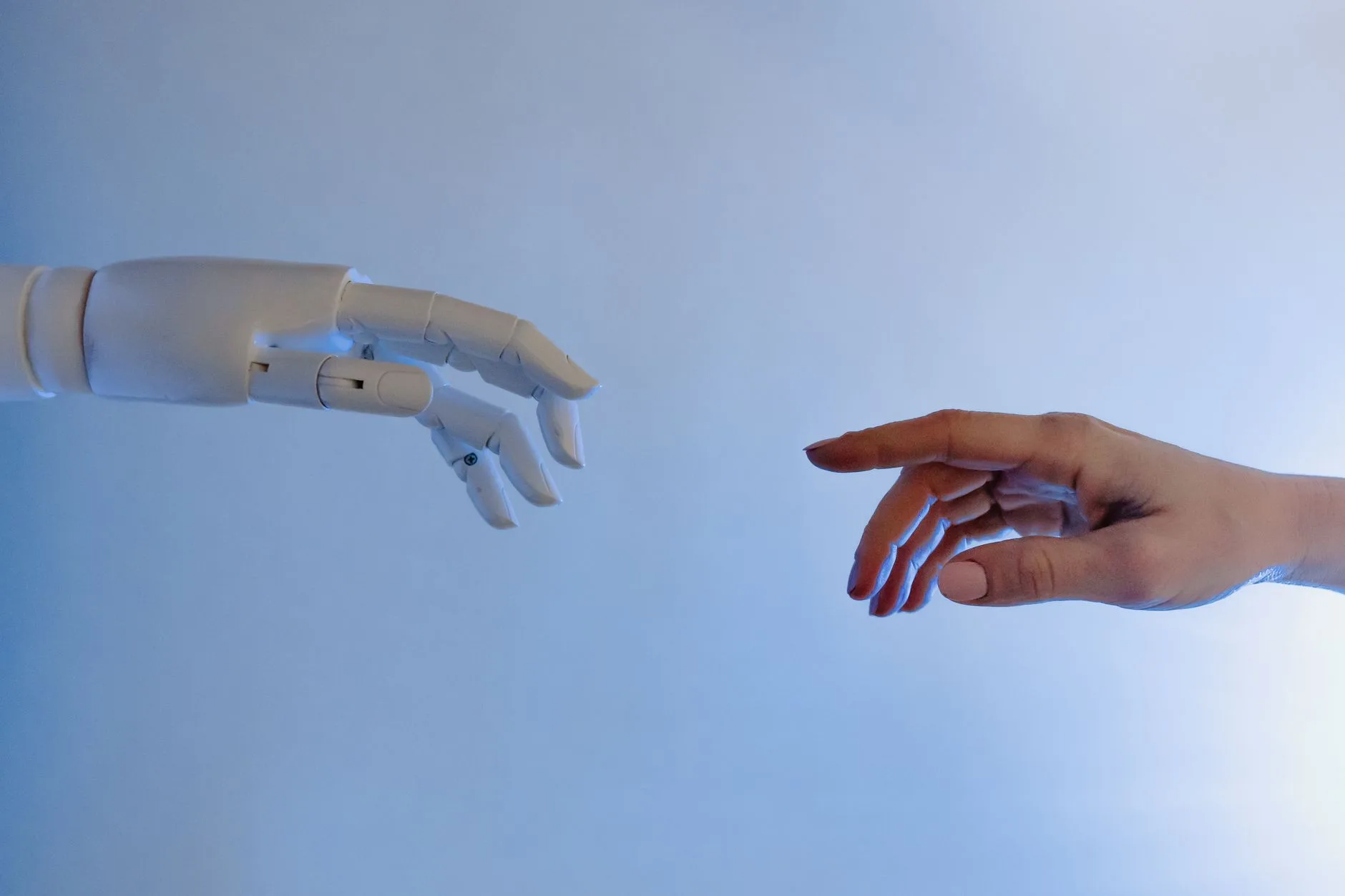
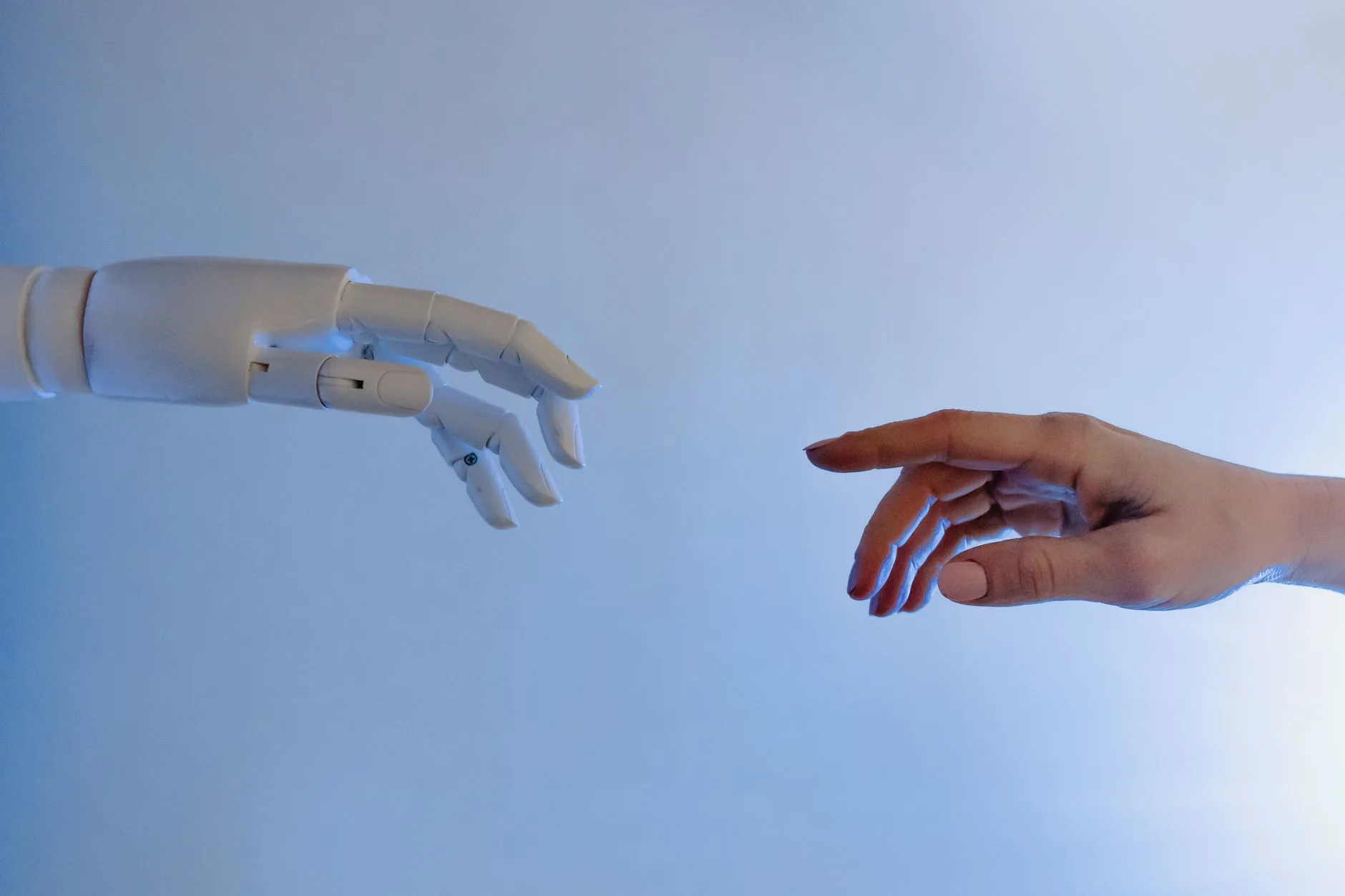
There's a quiet anxiety running through most marketing teams right now: the fear that AI will turn every brand into the same beige, over-optimised voice. Open your inbox and you can already feel it—newsletters that read like they were written by the same tired robot, social posts engineered for the algorithm and nobody else. The irony is sharp. The most powerful tool we've ever had for personalisation is being used to make everything feel less personal.
We think that's a choice, not an inevitability. At Evocative, we've spent the last few years building AI into marketing workflows for e-commerce brands, service businesses and ambitious founders—and the lesson is consistent: AI works best when it handles the mechanical so humans can do the meaningful.
Where AI genuinely belongs
The question isn't "should we use AI in marketing?" That ship has sailed. The real question is where. Deployed in the wrong places, AI erodes trust. Deployed in the right ones, it buys back the single scarcest resource in any creative team: attention.
In our experience, AI earns its keep when it:
- Removes friction, not voice. Transcribing calls, summarising research, drafting a first skeleton, sorting feedback—the unglamorous work that eats hours and energy.
- Surfaces insight humans would miss. Clustering thousands of support tickets to reveal what customers actually struggle with, or spotting which messaging resonates with which segment.
- Scales relevance. Delivering the right content to the right person at the right moment—so a message feels considered rather than mass-blasted.
Notice what's missing from that list: having the final idea, setting the tone, making the judgement call about what's true to the brand. That stays human—deliberately.
The human parts you should protect
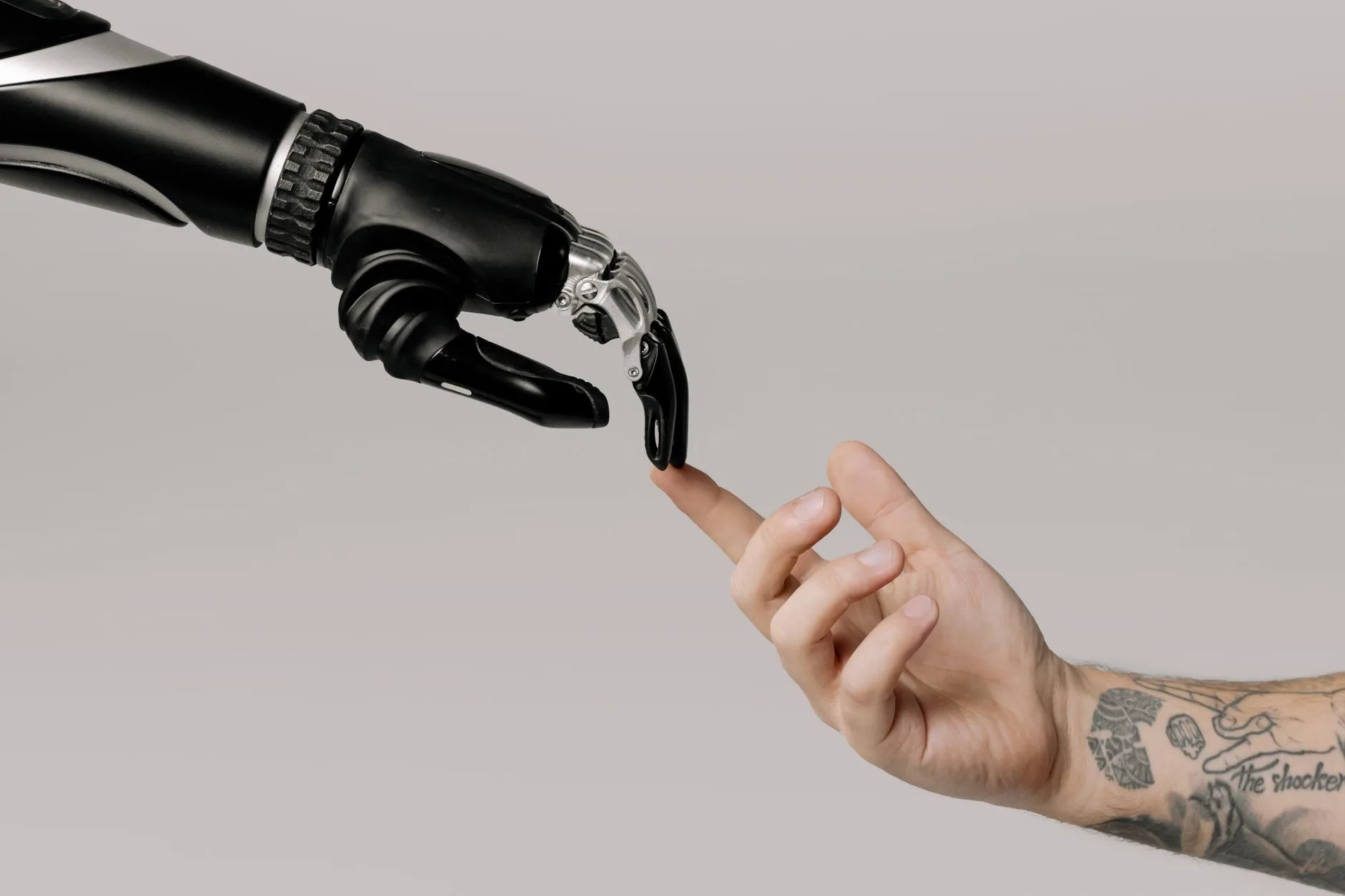
Some things lose their value the moment a machine does them. A heartfelt apology after a service failure. The specific, slightly imperfect story only your founder can tell. The joke that lands because it's unmistakably yours. When AI writes these, audiences feel the hollowness even if they can't articulate why.
We encourage clients to draw a clear line. Use AI to get to the starting line faster, then let real people run the race. A product description can be AI-drafted and human-refined. A reply to an upset customer should carry a human fingerprint from the first word. The craft isn't in resisting AI—it's in knowing what deserves your hands and what doesn't.
A simple test we use
Before automating any piece of communication, ask: would a customer feel deceived if they knew a machine wrote this? If yes, keep a human in the loop. If no—if it's a shipping confirmation or a routine FAQ—automate without guilt. That single filter prevents most of the brand damage we see from over-eager automation.
Personalisation versus surveillance
There's a seductive trap here. AI makes hyper-targeting trivially easy, and "more personal" can quickly curdle into "creepily specific." The brands winning long-term aren't the ones that know the most about you—they're the ones that make you feel understood without making you feel watched. That's a design and ethics decision, not a technical one. We build guardrails into AI workflows precisely because relevance without respect is just a faster route to unsubscribe.
What this looks like in practice

For one e-commerce client, we used AI to analyse buying patterns and automate the logistics of segmentation—but handed the actual creative and the brand voice entirely to their team. The result wasn't a colder operation; it was a warmer one. Freed from spreadsheet drudgery, their small team finally had time to write genuinely good emails, answer customers properly, and experiment. Engagement rose because the humans had room to be human.
That's the whole thesis in miniature. AI didn't replace the humanity—it funded it.
The real competitive edge
As AI makes average content effortless to produce, average content becomes worthless. The flood of serviceable, soulless copy raises the value of everything that feels authored, specific and alive. In a market drowning in synthetic sameness, sounding like a real person with a real point of view isn't nostalgia—it's your moat.
So use the machines. Use them aggressively, even. Just point them at the right targets: the repetitive, the analytical, the scalable. Then take the hours they give back and spend them on the things only you can do.
If you're trying to figure out where AI belongs in your marketing—and where it absolutely doesn't—we'd love to talk it through with you. That's a conversation worth having with real people.