Key takeaways
- ChatGPT is now both a search destination and an emerging ad platform — prepare for both layers.
- Being cited by AI (AEO) is more durable than buying ad slots; fix organic visibility first.
- AI-written content isn't penalised — low-quality content is; add human expertise and verification.
- Direct answers, comparisons, FAQs and original data are the formats that win AI citations.
- Track your 'share of AI answers' as a KPI and have a ChatGPT Ads test budget ready.
A new advertising platform is a rare event. Google in 2003, Facebook in 2010, TikTok in 2020 — and now ChatGPT. OpenAI has begun opening a self-serve ad manager, already live in the US and expected to reach European markets in the coming months. But focusing only on paid placements misses the bigger shift: buyers no longer just Google. They ask ChatGPT, Gemini and Perplexity a question and trust the answer they get back. If your brand isn't named in that answer, you're not even in the running.
At Evocative, we treat this as two connected fronts. One is the emerging paid layer — ChatGPT Ads. The other, arguably more durable, is the organic layer: being cited by the model as a trusted source. Preparing for one without the other is a half-measure.
Why ChatGPT is now a search destination, not just a chatbot
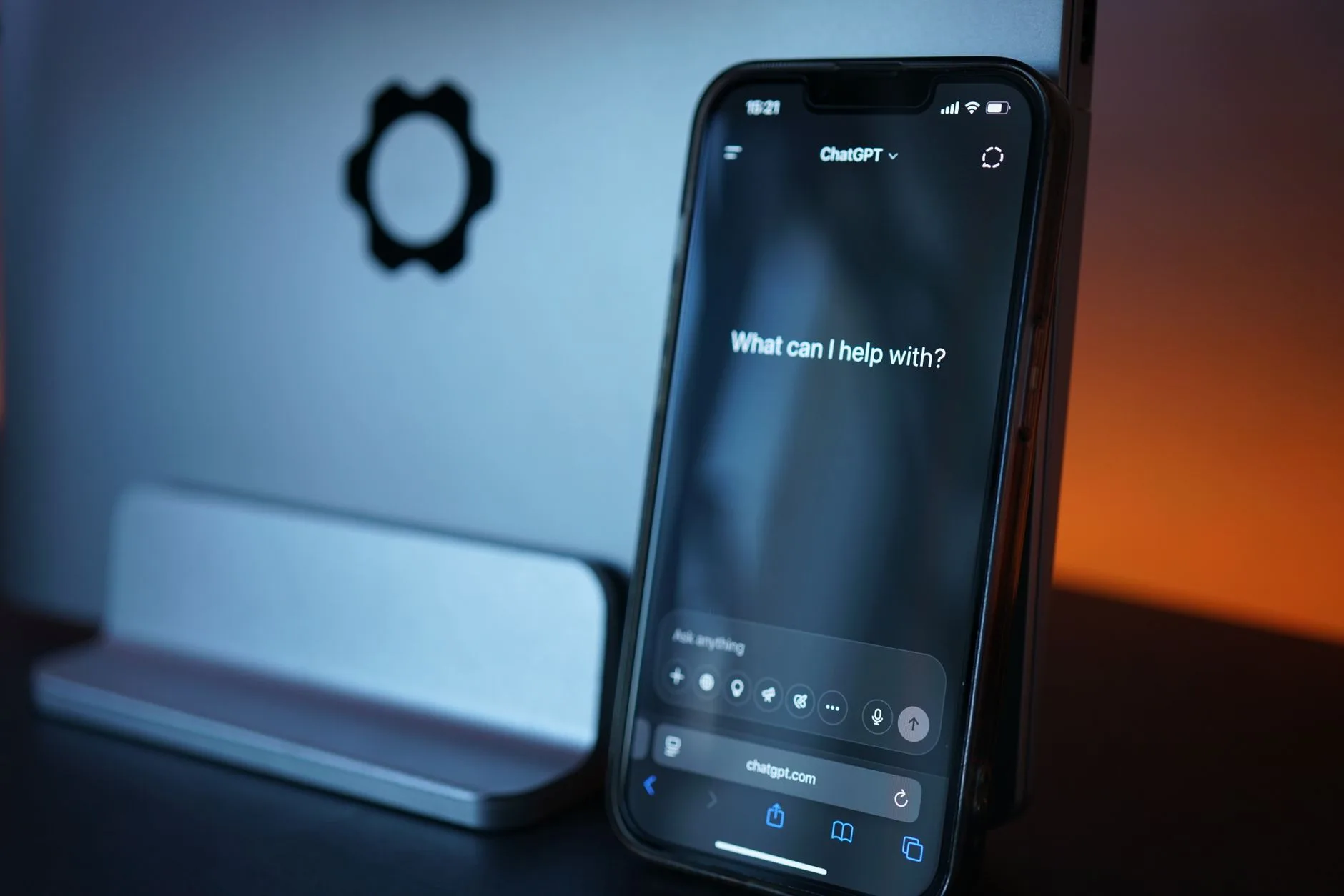
ChatGPT has quietly evolved from a text toy into a full assistant. Voice mode now listens and responds with near-human timing — knowing when to pause, when to interrupt, when to stay quiet. Combined with web browsing and citations, this makes it a genuine discovery surface. People ask it for recommendations, comparisons and vendor shortlists, and it answers with named brands.
That reframes the marketing question. It's no longer only "do we rank on page one?" It's "are we the answer the model gives?" This discipline has a name — Answer Engine Optimisation (AEO) — and tools like HubSpot's AEO features and SE Ranking are already competing to measure it. The core job is the same: understand which prompts matter to your buyers and whether you appear when they're asked.
The content formats that earn AI citations
Search behaviour has changed, so writing for a list of blue links is no longer enough. AI systems favour content that is easy to extract, verify and quote. In our client work, a few formats consistently earn citations:
- Direct-answer content: pages that state a clear answer in the first two sentences, then support it. Models lift the concise version.
- Structured comparisons: "X vs Y" pieces with tables and explicit criteria. These map perfectly onto how users phrase decision-stage prompts.
- Original data and definitions: proprietary statistics, benchmarks and clear terminology give models something they can't synthesise from thin air.
- FAQs and structured markup: question-shaped headings mirror how people actually query an assistant.
The common thread is clarity and trustworthiness. AI engines reward content that reads like an expert answering a specific question, not a page engineered to hit a keyword density target.
Does AI-written content get penalised?
A fair worry, given that most editorial teams now use ChatGPT or Claude in their workflow. The short version from SEO practitioners: Google penalises low-quality, unhelpful content — regardless of who or what produced it. AI is not disqualifying; mediocrity is. The winning approach is AI-assisted, human-governed: use models to draft and structure, then add genuine expertise, verification and a point of view a machine can't fabricate. That editorial layer is exactly what makes content quotable by other AI systems too.
How to prepare your brand now
You don't need to wait for ChatGPT Ads to launch in your market to start. A pragmatic sequence:
- Audit your AI visibility. Run the 20–30 prompts your buyers would actually ask. Note where you appear, where competitors do, and what sources the model cites.
- Fix the organic foundation first. Restructure key pages for direct answers, add comparison and FAQ content, and publish original data. Paid reach amplifies a strong presence; it can't rescue a weak one.
- Get your data clean. Consistent entity information — brand name, offerings, locations, reviews — helps models associate you with the right queries.
- Prepare a test budget for ChatGPT Ads. When the self-serve manager opens locally, be ready to run controlled experiments rather than reacting late.
- Track citations as a KPI. Treat "share of AI answers" alongside traffic and rankings. It's the leading indicator of where discovery is heading.
The brands that will win this cycle aren't the ones who bid first. They're the ones the model already trusts enough to recommend — with or without an ad slot attached.
Sources
- Comment diffuser des publicités ChatGPT : le tutoriel complet de ChatGPT Ads — Webmarketing & co'm
- Avec GPT-Live, le mode vocal de ChatGPT écoute mieux, répond plus finement et sait quand se taire — Blog du Modérateur
- SEO : Google pénalise-t-il les contenus rédigés par IA ? — Blog du Modérateur
- HubSpot AEO vs SE Ranking: Features, pricing, and fit — HubSpot Marketing
- The top content formats & types that earn AI search citations — HubSpot Marketing
- ChatGPT Ads se rapproche : comment les entreprises françaises peuvent s’y préparer — Blog du Modérateur